In the evolving landscape of Washington politics, the tension between executive influence and legislative oversight has reached a critical juncture. As the administration continues its push to reshape federal agencies, recent electoral shifts have introduced a complex dynamic for the confirmation process. The political fallout from primary contests, particularly involving members of the Senate, suggests that President Donald Trump’s strategy of prioritizing absolute loyalty may have inadvertently empowered those with little left to lose in the final stretch of their tenures.
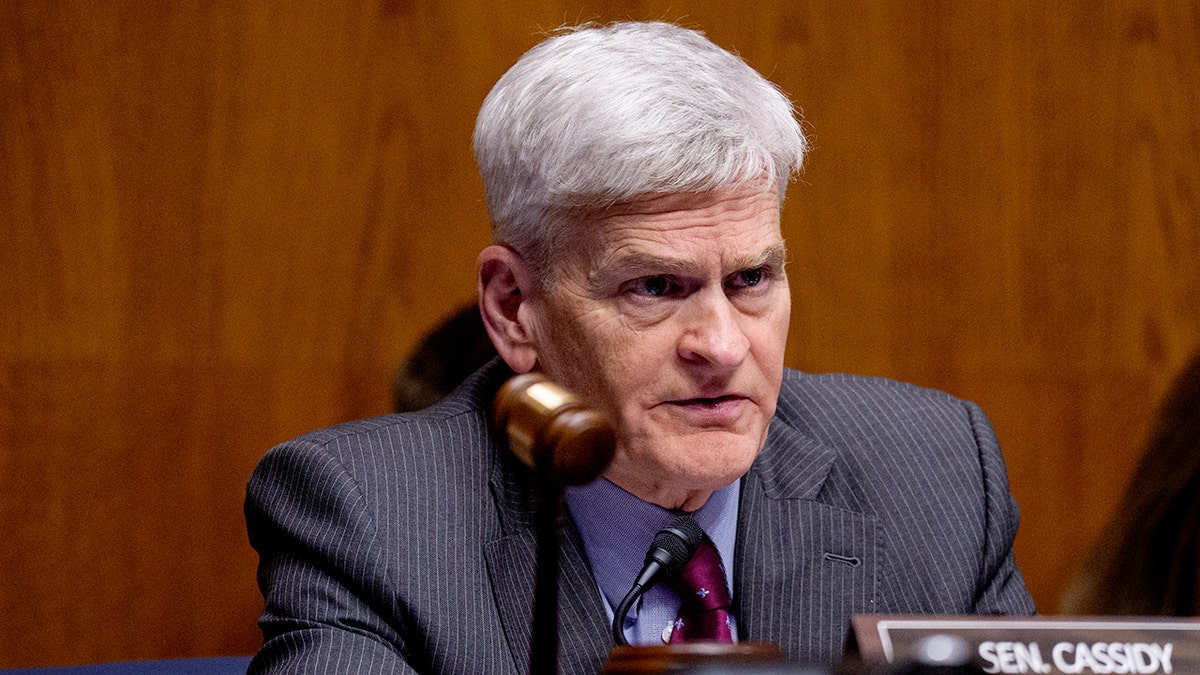
At the center of this legislative friction is Senator Bill Cassidy (R-LA), the ranking member of the Senate Committee on Health, Education, Labor and Pensions (HELP). Having recently faced a primary defeat by Representative Julia Letlow, a candidate endorsed by the former president, Senator Cassidy now occupies a unique position in the chamber. With his electoral future effectively concluded, the Louisiana Republican remains in a position of significant authority over the confirmation of key federal health officials, a reality that could complicate the administration’s path for its remaining nominees.
The Power Dynamics of a Lame-Duck Committee Chair
The Senate HELP Committee acts as the primary gatekeeper for the administration’s health agenda. Under the current rules of the United States Senate, committee chairs and ranking members wield substantial influence over the scheduling of hearings, the vetting of nominees, and the pace at which candidates move toward a floor vote. Following his loss in the primary, Senator Cassidy’s political calculus has shifted. Observers note that lawmakers in their final term often experience a decoupling from party-line pressures, allowing them to exercise independent judgment on executive appointments.
This dynamic was recently underscored during the confirmation of Robert F. Kennedy Jr. For the position of Secretary of Health and Human Services (HHS). Reports indicated that Senator Cassidy served as a pivotal vote in the process. While initially expressing reservations regarding the nomination, he ultimately moved to confirm after receiving specific assurances concerning the department’s future adherence to established vaccine safety guidelines and public health protocols.
Upcoming Challenges for Executive Nominations
The administration faces a series of high-stakes appointments in the coming months, which will require navigation through the HELP Committee’s scrutiny. Among the figures slated for consideration are potential candidates for leadership roles at the Centers for Disease Control and Prevention (CDC) and the U.S. Surgeon General’s office. The vetting of these individuals will likely serve as a litmus test for the committee’s current posture.
Historically, the Senate’s role of “Advice and Consent” is intended to act as a check on executive power. As the U.S. Constitution dictates, the Senate’s involvement is a fundamental requirement for the appointment of high-ranking federal officers. If a committee chair chooses to leverage this authority to demand greater transparency or to slow-walk nominees deemed too extreme, it could force the administration into a series of legislative concessions.
Key Considerations for the Confirmation Process
- Committee Leverage: The ranking member retains the procedural power to request additional documentation and testimony from nominees, potentially extending the timeline for confirmation.
- Policy Assurances: Similar to the HHS confirmation, future nominees may be required to provide binding public or private commitments regarding their adherence to scientific and institutional standards.
- Legislative Independence: Lawmakers who are not seeking re-election or who have been alienated by party leadership may prioritize long-term institutional stability over short-term executive objectives.
What Happens Next?
The immediate future of these nominations rests on the upcoming calendar for the Senate HELP Committee. While the administration has signaled a desire for rapid confirmation of its preferred candidates, the procedural reality of the Senate often dictates a more measured pace. The next major checkpoint will be the announcement of formal hearing dates for the pending nominations to the CDC and other health agencies. These hearings, which are matters of public record, will provide the first clear indication of whether the committee intends to act as a rubber stamp or a source of rigorous oversight.
For those tracking the intersection of health policy and legislative maneuvering, monitoring the official committee hearing schedule remains the most reliable method for understanding how these dynamics will resolve. As the situation develops, we will continue to provide updates on the confirmation status of key health officials and the broader implications for the federal bureaucracy.
As a journalist with over 16 years of experience covering international and political affairs, I welcome your thoughts on how these legislative shifts may impact public health policy. Please share your insights in the comments section below.
Worth a look