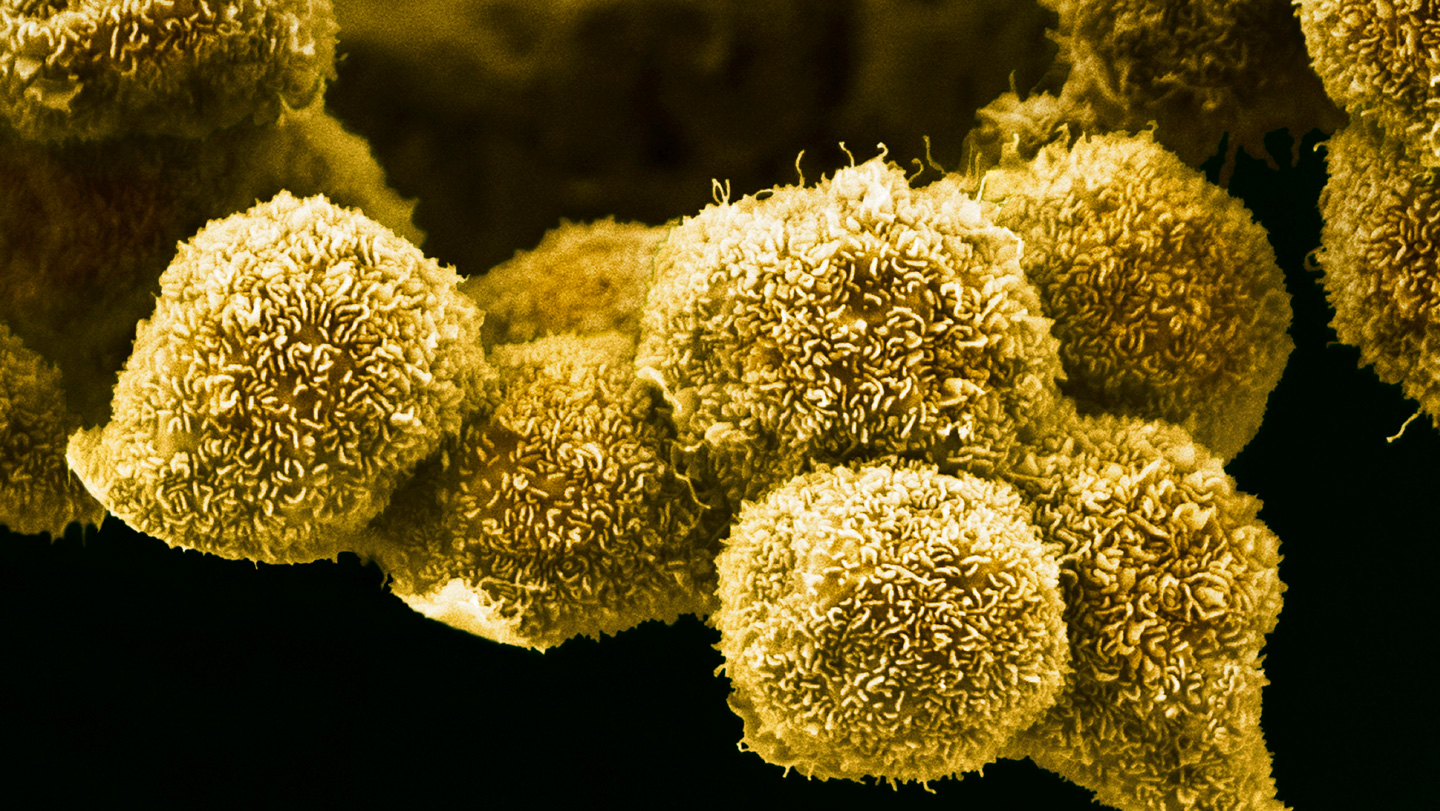
In the landscape of oncology, few diagnoses carry the weight and urgency of pancreatic ductal adenocarcinoma (PDAC). For decades, treatment options have remained stubbornly limited, often defined by aggressive chemotherapy regimens that offer modest improvements in survival. However, recent clinical developments in the field of targeted molecular therapy are providing a new, evidence-based reason for cautious optimism. Researchers are currently investigating a class of drugs known as KRAS inhibitors, which represent a fundamental shift in how we approach one of the most resilient forms of cancer.
The drug in question, adagrasib—often discussed in the context of KRAS-G12C mutations—is part of a new generation of small-molecule inhibitors designed to intercept the molecular signals that drive tumor growth. While the term “bear-hug” is often used in popular media to describe its mechanism, from a clinical perspective, the drug functions by binding covalently to the mutated KRAS protein, effectively locking it in an inactive state. This precision-medicine approach aims to halt the uncontrolled cellular replication characteristic of pancreatic malignancies, a field of study that continues to evolve as reported in the New England Journal of Medicine.
For patients and their families, understanding the distinction between traditional systemic therapies and these targeted inhibitors is essential. While the search for a “miracle pill” is understandable given the gravity of the disease, the reality of medical innovation is incremental and rigorous. The ongoing clinical trials evaluating these inhibitors are currently focused on patient cohorts with specific genetic markers, highlighting the importance of genomic testing in modern oncological care.
Understanding the KRAS Mutation in Pancreatic Cancer
To grasp why these new therapies are being labeled as potential game changers, one must first understand the biology of the target. The KRAS gene acts as a “master switch” for cell growth. In healthy cells, this switch turns on and off to regulate division. In approximately 90% of pancreatic cancer cases, this gene is mutated, leaving the switch permanently in the “on” position, which drives the rapid, unchecked growth of tumor cells, according to the National Cancer Institute.

For years, the KRAS protein was considered “undruggable” due to its smooth surface, which offered no clear binding site for conventional pharmaceutical compounds. The development of inhibitors like adagrasib and sotorasib represents a breakthrough in structural biology. By identifying a hidden pocket on the protein’s surface, scientists have developed molecules that can bind to the protein, preventing it from signaling the cell to divide. What we have is not merely a different chemotherapy. it is a fundamental shift toward precision oncology, where treatment is tailored to the specific genetic architecture of an individual’s tumor.
Clinical Trial Data and Patient Outcomes
When discussing survival statistics, it is vital to look at the peer-reviewed data rather than anecdotal reports. In Phase 1/2 clinical trials for patients with KRAS-G12C mutated pancreatic cancer, the observed objective response rates—the percentage of patients whose tumors shrink or disappear—have provided a foundation for further Phase 3 investigation. Data published in the Lancet Oncology regarding targeted therapy in advanced solid tumors underscores that while these drugs show promise, they are currently indicated for specific subgroups of patients who harbor the G12C mutation.

the “doubling of survival time” often cited in headlines usually refers to specific subsets of patients in controlled trial settings compared to historical cohorts. These results are significant, but they do not yet represent a universal standard of care for all pancreatic cancer patients. As a physician, I emphasize that clinical trial eligibility criteria are strict. Patients interested in these emerging therapies should discuss the possibility of molecular profiling with their oncology team to determine if their tumor possesses the specific mutations that these drugs are designed to target.
The Road Ahead: Challenges and Considerations
Despite the promise of KRAS inhibitors, the medical community remains focused on the challenge of resistance. Cancer cells are notoriously adaptive; they often find “bypass tracks” to restart the growth signals that the drug has blocked. This is why many current clinical trials are testing these inhibitors in combination with other agents, such as anti-EGFR therapies or immune checkpoint inhibitors, to prevent the cancer from developing these secondary survival mechanisms.
the accessibility of these treatments is tied to the broader infrastructure of healthcare policy and drug development. The U.S. Food and Drug Administration (FDA) and the European Medicines Agency (EMA) continue to evaluate these therapies through accelerated approval pathways, which balance the need for rapid patient access with the requirement for definitive safety and efficacy data. Patients should look for updates on the ClinicalTrials.gov registry to see which trials are currently recruiting in their region.
Key Takeaways for Patients and Families
- Precision Matters: These therapies are not “one size fits all.” They target specific genetic mutations (like KRAS-G12C) found in a subset of pancreatic cancer patients.
- Genomic Testing: If you or a loved one are facing a pancreatic cancer diagnosis, ask your oncologist about comprehensive genomic profiling of the tumor.
- Clinical Trials: Participation in clinical trials remains the most reliable way to access emerging therapies that are not yet available as a standard, off-the-shelf prescription.
- Manage Expectations: While the science is revolutionary, these drugs are currently being studied as part of comprehensive treatment plans, not as standalone cures.
As we move through 2024, the medical community anticipates further data readouts from ongoing Phase 3 trials that will clarify the long-term efficacy of these inhibitors. The next major checkpoint will involve the publication of randomized controlled trial results, which will provide the definitive evidence needed to transition these drugs from experimental status to standard-of-care protocols. In the meantime, the focus remains on rigorous research and personalized care.

If you found this analysis helpful, I encourage you to share this article with your community or leave a question in the comments below. Staying informed is the first step in navigating the complexities of modern medical treatment. For those seeking the latest updates on oncology research, I recommend bookmarking the World Today Journal Health section, where we continue to track these developments as they unfold.
Keep reading