C-Section Births and the Microbiome: How Delivery Method and Baby’s Sex Shape Early Gut Health
When a baby is born, the first microbial settlers begin colonizing its gut—a process that lays the foundation for lifelong immune function, metabolism and even brain development. But not all newborns start life with the same microbial passport. A growing body of research, including a recent study led by France’s National Research Institute for Agriculture, Food, and Environment (INRAE), is revealing how cesarean section deliveries and the baby’s sex interact to shape this critical early microbiome. The findings, published in the peer-reviewed journal Nature Communications, suggest that the effects of C-sections on gut bacteria may not be uniform—and could differ significantly between boys and girls.
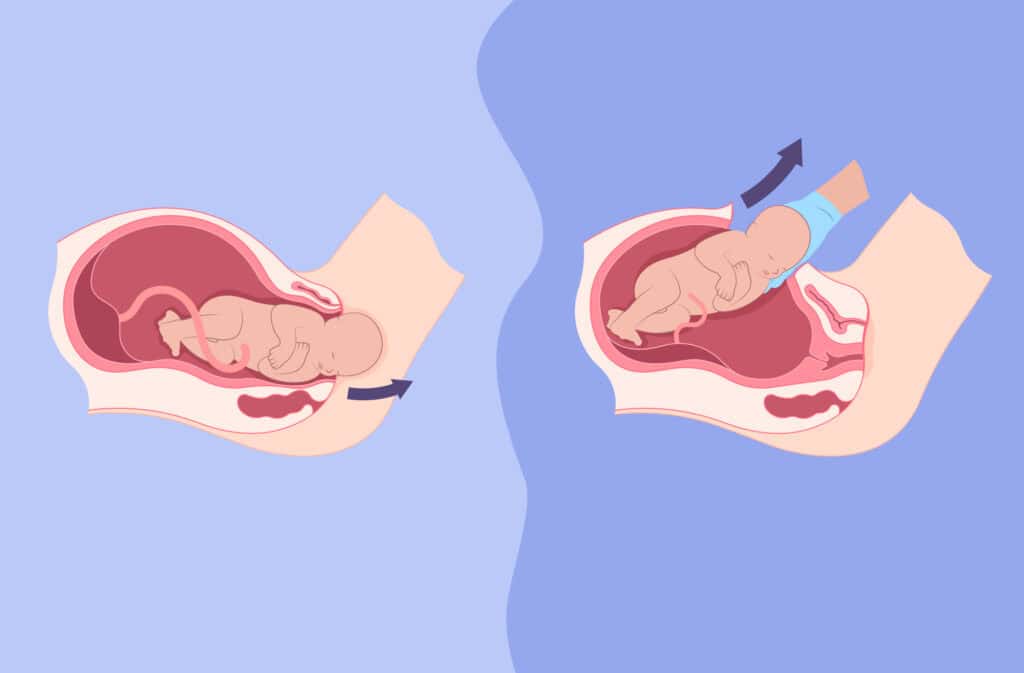
For decades, scientists have known that babies born via C-section tend to have gut microbiomes distinct from those born vaginally. Vaginal deliveries expose infants to their mother’s vaginal and fecal bacteria, which are thought to play a key role in seeding the newborn’s gut. In contrast, C-section babies are more likely to acquire bacteria from the skin and hospital environment, leading to a less diverse microbial community in their first days of life. But until now, few studies had examined whether these differences persist—and whether they manifest differently in male and female infants.
The INRAE-led research, conducted in collaboration with pediatricians at Paris’ Robert Debré Hospital, tracked 120 full-term infants—60 born vaginally and 60 via planned C-section—over their first year of life. Stool samples were collected at multiple intervals (days 3, 10, 30, 90, and 365) and analyzed using high-throughput DNA sequencing to map the composition of their gut microbiomes. The results, published in April 2024, offer some of the clearest evidence yet that the interplay between delivery mode and sex may influence microbial development in ways that could have long-term health implications.
The Microbiome Divide: C-Section vs. Vaginal Birth
The study confirmed earlier observations that C-section births are associated with a distinct microbial signature. At three days old, infants delivered via C-section had significantly lower levels of Bacteroides—a genus of bacteria linked to immune regulation and protection against allergies—compared to vaginally born babies. Instead, their guts were dominated by Staphylococcus and Streptococcus, bacteria commonly found on skin and in hospital settings.
By one month, but, the gap had narrowed. Most C-section babies caught up in terms of Bacteroides levels, though their overall microbial diversity remained slightly lower than that of vaginally born infants. This aligns with previous research suggesting that while C-section babies may start with a “delayed” microbiome, many eventually converge with their vaginally born peers by their first birthday. However, the INRAE study adds a critical nuance: this convergence may not happen at the same pace—or in the same way—for boys and girls.
Sex Matters: How Baby’s Gender Shapes the Microbiome
One of the study’s most striking findings was that the impact of delivery mode on the microbiome varied by sex. Among vaginally born infants, boys and girls showed similar microbial profiles in the first month of life. But in the C-section group, the differences were pronounced:
- Boys born via C-section had persistently lower levels of Bifidobacterium, a beneficial genus that helps break down breast milk and supports immune development. By one year, their Bifidobacterium levels were still 30% lower than those of vaginally born boys.
- Girls born via C-section, showed a faster recovery in Bifidobacterium levels, though they had higher levels of Enterococcus, a genus associated with hospital-acquired infections, at three days old.
The researchers hypothesize that these sex-based differences may stem from hormonal variations in utero. Estrogen, which is present at higher levels in female fetuses, has been shown in animal studies to influence gut bacteria colonization. Male infants are generally more susceptible to infections in early life, which could explain their slower microbial recovery after C-sections.
Dr. Marie-Claire Arrieta, a microbiome researcher at the University of Calgary who was not involved in the study, called the findings “intriguing” but cautioned against overinterpretation. “This study doesn’t prove that C-sections cause long-term health problems for boys or girls,” she told World Today Journal. “But it does suggest that we need to gaze more closely at how sex and delivery mode interact, especially as we try to develop interventions like probiotics or microbiome transplants for infants.”
Why This Matters: Beyond the First Year
The gut microbiome’s role in health extends far beyond infancy. Disruptions in early microbial development have been linked to a higher risk of asthma, allergies, obesity, and even neurodevelopmental disorders like autism. While the INRAE study did not track health outcomes, its findings raise important questions about whether the sex-specific effects of C-sections could contribute to later disparities in disease risk.
For example, boys are already at higher risk for certain conditions, such as autism spectrum disorder (ASD) and attention-deficit/hyperactivity disorder (ADHD). If their microbiomes are likewise more vulnerable to disruption from C-sections, could this partly explain these sex-based differences? The INRAE team is now planning a follow-up study to explore whether the microbial differences observed in infancy persist into childhood and correlate with health outcomes.
Another key takeaway is the potential for targeted interventions. If C-section boys are at a disadvantage in terms of Bifidobacterium colonization, could probiotics or other microbiome-modulating therapies facilitate level the playing field? Some hospitals, including those in Sweden and Canada, have already begun experimenting with “vaginal seeding”—a practice where C-section babies are swabbed with their mother’s vaginal fluids to mimic natural microbial exposure. However, the INRAE study suggests that such interventions might need to be tailored by sex to be most effective.
What Parents Should Know
For expectant parents, the study offers both reassurance and food for thought. While C-sections are sometimes medically necessary—and can be lifesaving—their potential impact on the microbiome is one factor to consider when weighing delivery options. Here’s what the research suggests so far:
- Timing matters: The first 1,000 days of life (from conception to age 2) are a critical window for microbiome development. While C-section babies may catch up over time, their early microbial differences could have lasting effects.
- Breastfeeding helps: Breast milk contains prebiotics that nourish beneficial bacteria like Bifidobacterium. The INRAE study found that breastfed C-section babies had higher levels of this genus than formula-fed infants, regardless of sex.
- Skin-to-skin contact: Immediate skin-to-skin contact after birth, even for C-section deliveries, can help transfer some of the mother’s beneficial bacteria to the baby.
- Probiotics may help, but evidence is mixed: Some studies suggest that probiotic supplements can help C-section babies develop a more “vaginal birth-like” microbiome, but the optimal strains and dosages are still being studied. Always consult a pediatrician before giving probiotics to an infant.
Dr. Omry Koren, a microbiome expert at Bar-Ilan University in Israel, emphasized that parents shouldn’t panic if a C-section is necessary. “The microbiome is incredibly resilient,” he said. “While C-sections may delay certain microbial milestones, most babies born this way grow up perfectly healthy. The key is to focus on what People can control—like breastfeeding, minimizing antibiotic use when possible, and providing a diverse diet as the child grows.”
The Bigger Picture: Rethinking Birth and Health
The INRAE study is part of a broader shift in how scientists view birth—not just as a medical event, but as a biological handoff that shapes health for decades. In recent years, research has linked C-sections to a slightly higher risk of obesity, type 1 diabetes, and celiac disease, though the mechanisms remain unclear. The new findings suggest that sex may be an overlooked variable in these associations.
Globally, C-section rates have risen dramatically over the past three decades, from 7% in 1990 to 21% in 2021. In some countries, like Brazil and China, the rate exceeds 50%. While many of these surgeries are medically justified, the World Health Organization (WHO) estimates that about 6.2 million unnecessary C-sections are performed annually. The INRAE study adds another layer to the conversation about when—and for whom—C-sections are most appropriate.
For now, the research underscores the need for personalized approaches to infant health. “We’re moving away from a one-size-fits-all model,” said Dr. Arrieta. “The future of microbiome science may involve tailoring interventions based on a baby’s sex, delivery mode, and even genetic background. But we’re not there yet.”
Key Takeaways
- C-section births are linked to distinct gut microbiomes in newborns, with lower levels of beneficial bacteria like Bacteroides and Bifidobacterium in the first days of life.
- The impact of C-sections on the microbiome varies by sex: Boys born via C-section show slower recovery of Bifidobacterium, while girls have higher levels of Enterococcus early on.
- Breastfeeding and skin-to-skin contact can help mitigate some of the microbial differences associated with C-sections.
- Long-term health implications are still unclear, but early microbiome disruptions have been linked to higher risks of allergies, obesity, and neurodevelopmental disorders.
- More research is needed to determine whether sex-specific interventions, like probiotics, could help C-section babies develop healthier microbiomes.
What’s Next?
The INRAE team is currently recruiting participants for a larger, multi-year study to track the health outcomes of infants born via C-section versus vaginal delivery, with a focus on sex-based differences. Preliminary results are expected in late 2026. In the meantime, parents with questions about their baby’s microbiome can consult their pediatrician or seek guidance from organizations like the Microbirth School, which offers evidence-based resources on birth and early microbial development.
As the science evolves, one thing is clear: the first microbes a baby encounters may set the stage for a lifetime of health. Understanding how delivery mode and sex interact could help us supply every child the best possible start.
What are your thoughts on the link between birth mode and the microbiome? Have you or someone you know experienced differences in health outcomes based on delivery method? Share your story in the comments below—and don’t forget to share this article with expectant parents who might find it helpful.