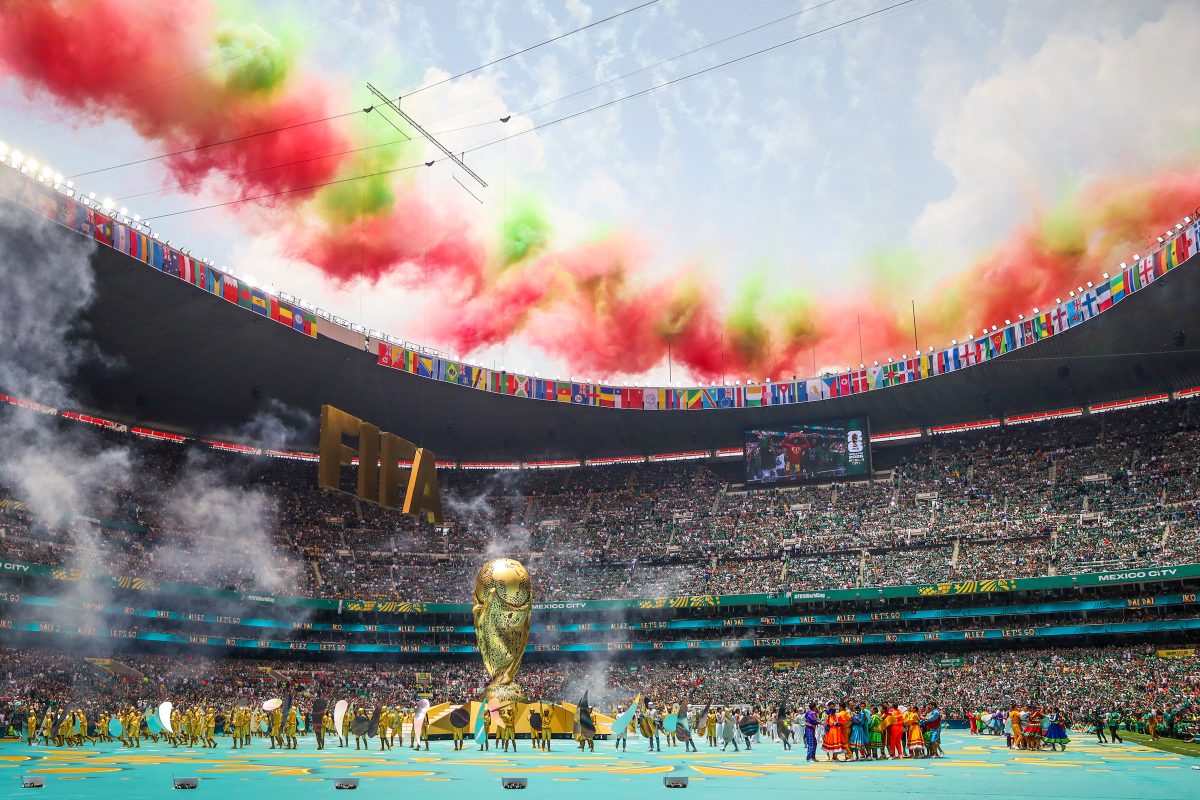
The 2026 FIFA World Cup, hosted across the United States, Mexico, and Canada, represents a significant commercial and cultural pivot point for football in North America. As global brands mobilize to capture the attention of a massive, diverse U.S. consumer base, industry analysts are focusing on how “cultural power”—the ability of a brand to integrate into the lifestyle and social fabric of fans—will determine the success of marketing investments. According to FIFA’s official event calendar, the tournament will officially kick off on June 11, 2026, at the Estadio Azteca in Mexico City, with the final match scheduled for July 19, 2026, at MetLife Stadium in New Jersey (FIFA World Cup 2026 Official Match Schedule).
For international brands, the challenge lies in translating the deep-rooted, multi-generational football culture of Europe and South America into the U.S. market. While the sport has historically trailed behind American football, basketball, and baseball in viewership, the 2026 tournament is viewed by stakeholders as the ultimate accelerator for soccer’s integration into the American mainstream. The strategy for many major sponsors involves moving beyond traditional perimeter advertising to create emotional, lifestyle-driven narratives that resonate with American audiences.
The Economics of Cultural Power
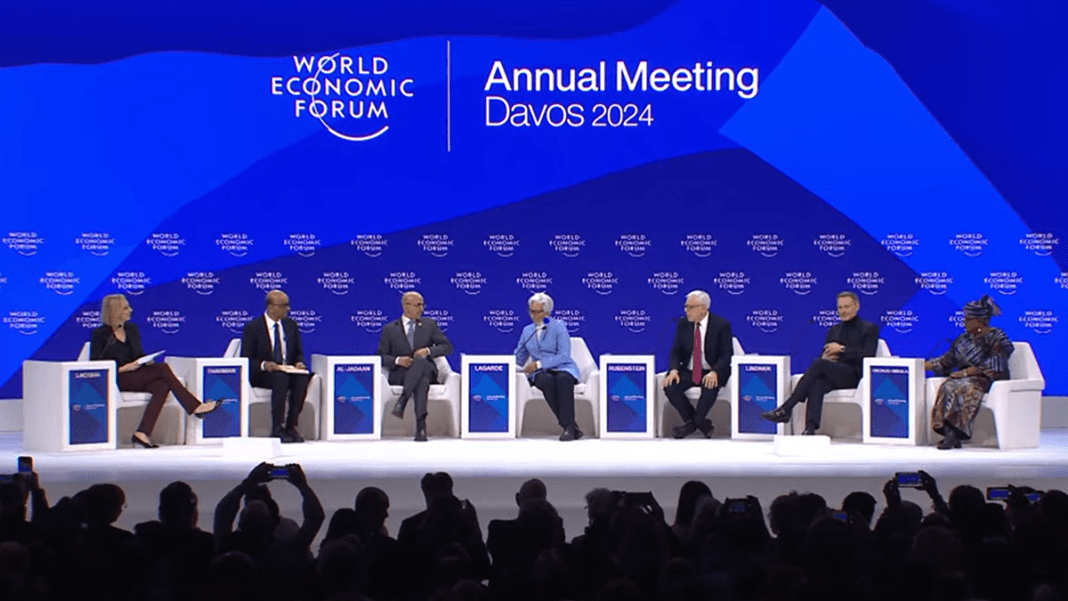
Brands are increasingly measuring their success through what industry experts term “Return on Cultural Power” (ROCP). This metric shifts the focus from simple reach to the depth of engagement a brand achieves by participating in the culture surrounding the tournament. As noted by the World Economic Forum, the sports industry is undergoing a digital transformation where fan engagement is no longer confined to the 90 minutes on the pitch, but extends into gaming, fashion, and social media ecosystems (World Economic Forum: The Future of Sports).
Companies like Lego have demonstrated this approach by moving away from transactional sports partnerships toward broader entertainment collaborations. By leveraging global icons and interactive experiences, these brands bypass traditional sports-only audiences to reach the wider public. This strategy is essential in the U.S., where the sports landscape is highly fragmented and competitive. Rather than relying on a pre-existing “football fan” demographic, successful campaigns are those that position the game as a component of broader pop culture.
Brand Strategies for the US Market
The U.S. market presents a unique environment where brands must balance the global heritage of football with the specific preferences of American consumers. Adidas, a long-standing partner of FIFA, has consistently utilized high-profile talent from outside the traditional sports world, such as actors and musicians, to bridge the gap between football and Hollywood. This cross-pollination is intended to give the brand credibility among U.S. audiences who may not follow the sport year-round.
Other brands, such as Burberry, have shifted their marketing tactics to emphasize the “match-day experience” and the social camaraderie associated with football. By featuring diverse, recognizable faces from film and culture, these brands aim to evoke a sense of belonging and nostalgia that transcends the sport itself. According to data from the Nielsen Sports report on the growth of soccer in the U.S., the demographic profile of American soccer fans is increasingly young and diverse, making cultural alignment a critical factor for long-term brand loyalty (Nielsen: Soccer’s Growth in the U.S. Market).
Why the US is a Critical Battleground
The 2026 World Cup is the largest in history, featuring 48 teams and 104 matches, according to the official tournament structure published by FIFA (FIFA 2026 Tournament Format). This scale provides an unprecedented opportunity for brands to capture attention in the world’s most lucrative advertising market. However, the sheer volume of content and noise during the tournament means that only those brands that successfully tap into the cultural forces surrounding the event will see a significant return on their investment.
The shift toward “cultural power” as a business strategy is a response to the changing habits of consumers who are increasingly skeptical of traditional, interruptive advertising. By aligning with the values and lifestyle of the football community—whether through fashion, music, or digital gaming—brands can foster a more authentic connection. For many companies, the World Cup is no longer just a sports event; it is a global cultural festival that dictates the trends of the next four years.
The Path Forward for Sponsors
As the tournament approaches, the focus for sponsors will shift toward execution and real-time engagement. With the U.S. hosting a majority of the matches, including the final, the pressure to deliver culturally resonant campaigns is at an all-time high. Brands are expected to utilize data-driven insights to tailor their messaging to specific regional audiences while maintaining a consistent global brand identity.
The success of these initiatives will be evaluated following the conclusion of the tournament in July 2026. Until then, stakeholders in the sports, media, and marketing sectors continue to monitor the progress of infrastructure developments and the rollout of official partnership activations. For readers interested in the ongoing commercial impact of the World Cup, FIFA provides regular updates on its official portal regarding venue readiness and tournament planning. We encourage our readers to share their views on whether these cultural marketing strategies will successfully translate into long-term growth for football in the United States.
Related reading
- Ted Lasso Returns: Everything to Know About the New Season
- BMW Faces Deep Crisis: China Slump Triggers Profit Warning and Major Job Cuts
- US Labor Market Stabilizes as Jobless Claims Fall and Openings Hold Steady (archyworldys.com)
- Speed Drawing Brings Legendary Argentina and Spain Football Stars to Life (world-today-news.com)