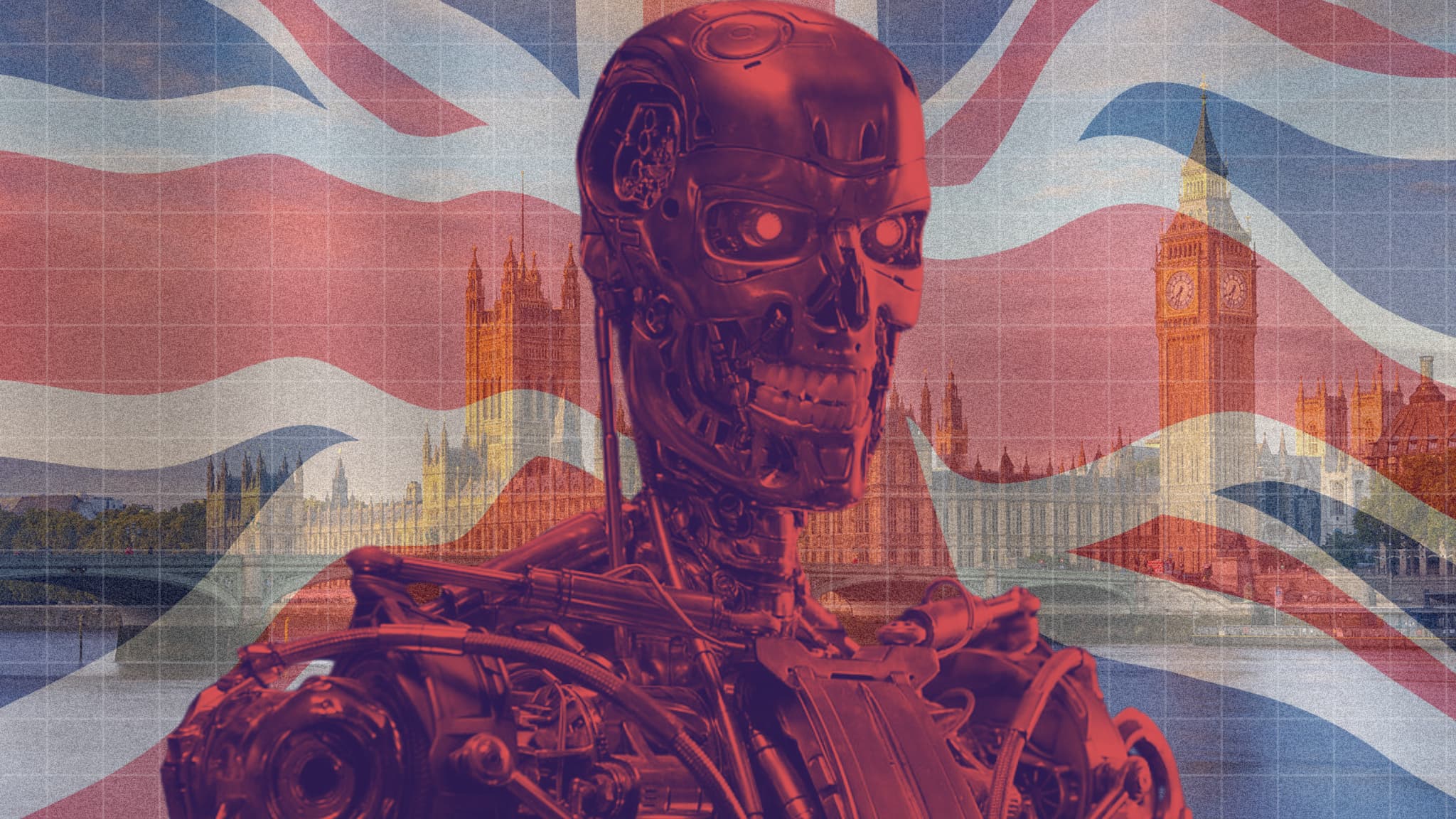
The rapid integration of generative artificial intelligence into the global workforce has triggered a profound shift in how professional roles are defined, executed, and perceived. As industries from creative services to administrative sectors grapple with the capabilities of large language models, many workers are confronting a modern economic reality: the automation of tasks that were once considered exclusively human domains. In the United Kingdom and across international markets, this transition has sparked a complex dialogue regarding job security, skill obsolescence, and the future of labor in an age of machine intelligence.
For many, the realization of this shift is not abstract; it is personal. As technological tools become more proficient at drafting documents, analyzing datasets, and streamlining communication, the threshold for what constitutes a “specialized” task is shifting. This evolution is supported by data from the OECD Employment Outlook 2023, which highlights that high-skilled occupations are among those most exposed to AI-driven automation, fundamentally altering the traditional career trajectory for many professionals.
The Evolution of the Automated Workplace
The current wave of automation differs significantly from previous industrial shifts. While earlier technological advancements largely targeted repetitive manual labor, current generative AI systems are capable of performing cognitive tasks that require synthesis, writing, and strategic planning. According to research published by the International Monetary Fund, nearly 40% of global employment is exposed to AI, with advanced economies experiencing higher exposure—approximately 60%—compared to emerging markets. This disparity underscores why the conversation around job displacement is currently so acute in regions like the United Kingdom and the United States.
In practice, this means that the “middle-skill” layer of many organizations is undergoing a metamorphosis. Rather than complete replacement, many roles are moving toward a “co-pilot” model, where the human worker oversees AI outputs. However, this transition requires a significant pivot in professional training. The challenge lies not just in the technology itself, but in the speed of its adoption, which often outpaces the development of regulatory frameworks and corporate reskilling programs.
Economic Implications and Workforce Exposure
The economic impact of this transition is multifaceted. While concerns regarding displacement are prevalent, some economists argue that AI will act as a productivity multiplier. The Goldman Sachs Economics Research report suggests that generative AI could potentially raise global GDP by 7% over a ten-year period, largely through increased efficiency and the creation of new roles that do not currently exist. However, the short-term friction of this transition remains a significant point of concern for labor unions, and policymakers.
In the United Kingdom, the government has begun to address these challenges through various initiatives aimed at balancing innovation with worker protection. The UK Department for Science, Innovation and Technology has emphasized a pro-innovation regulatory approach, focusing on sectoral guidance rather than a single, rigid piece of legislation. This strategy aims to encourage the adoption of AI while maintaining safeguards against potential bias and systemic risks in the labor market.
Key Considerations for the Future of Work
- Skill Augmentation: The shift toward human-AI collaboration requires a new set of digital literacy skills, focusing on prompt engineering, critical oversight, and ethical judgment.
- Regulatory Oversight: Policymakers are currently debating how to manage the transition, with a focus on protecting worker rights while fostering a competitive technological environment.
- Occupational Shifts: Certain roles in legal, financial, and creative sectors are seeing the most immediate impact, necessitating a re-evaluation of educational pathways.
Navigating the Transition
For the individual worker, the uncertainty surrounding AI can be daunting. The feeling that a job is “disappearing” often stems from the sudden loss of the competitive advantage previously provided by specialized knowledge that AI can now emulate. However, experts suggest that the most resilient career paths in the coming decade will be those that emphasize uniquely human capabilities—such as complex problem-solving, emotional intelligence, and interdisciplinary synthesis—which remain difficult for AI models to replicate consistently.
As we move into the second half of 2026, the focus for both employers and employees remains on agility. Organizations are encouraged to prioritize transparency in their AI integration strategies, ensuring that staff are involved in the process of defining how these tools are used. For those seeking to stay informed, the UK Department for Science, Innovation and Technology provides ongoing updates on policy developments and guidance for businesses navigating this digital transition.
The integration of AI into our professional lives is no longer a distant prospect but a current reality. While the pressure on traditional professions is undeniable, the long-term impact on the global economy will likely be defined by our ability to adapt our skills and policies to match the pace of innovation. We welcome your thoughts on how your own industry has changed—please share your experiences in the comments below.
Related reading