
China’s Ancient Warrior Ants: The Natural Pest Control Revolution
Scientists in China have successfully deployed a 500-million-year-old ecological strategy—using warrior ants to eliminate agricultural pests—offering a sustainable alternative to chemical pesticides that could reshape global farming. The method, rooted in traditional ecological knowledge, has shown promise in reducing crop damage by up to 90% in controlled trials, according to research published in Nature last year. While the approach remains experimental, it highlights a growing trend toward biological pest control as synthetic chemicals face increasing scrutiny over environmental and health risks.
Chinese agricultural researchers have reintroduced Oecophylla smaragdina, commonly known as the green tree ant, into farmlands to prey on crop-destroying insects like locusts, aphids, and beetles. Unlike conventional pesticides, which can harm beneficial insects and soil ecosystems, these ants target pests selectively, reducing the need for chemical interventions. The technique has already been tested in provinces such as Yunnan and Guangdong, where farmers report significant reductions in pest-related crop losses.
But how does this ancient method work in modern agriculture? And what are the challenges before it can be widely adopted? Here’s what we know.
Key Takeaways
- Eco-friendly alternative: Warrior ants like Oecophylla smaragdina eliminate pests without synthetic chemicals, reducing soil and water contamination.
- Proven efficacy: Field trials in China show up to a 90% reduction in pest damage compared to untreated plots.
- Scaling challenges: Logistical hurdles—such as ant colony management and habitat compatibility—limit large-scale adoption.
- Global potential: The method aligns with the UN’s Sustainable Development Goals, particularly Goal 2 (Zero Hunger) and Goal 15 (Life on Land).
- Regulatory hurdles: China’s Ministry of Agriculture has not yet approved the technique for nationwide use, citing the need for further safety studies.
How Warrior Ants Work as Natural Pest Controllers
Oecophylla smaragdina, native to Southeast Asia and parts of China, is a highly aggressive ant species known for its cooperative hunting behavior. Colonies can span multiple trees, with worker ants forming “living bridges” to raid neighboring insect populations. When introduced to farmlands, these ants target pests like Locusta migratoria (migratory locusts) and Spodoptera litura (tobacco cutworm), which are major threats to crops such as rice, corn, and soybeans.
According to a 2023 study by the Chinese Academy of Agricultural Sciences (CAAS), the ants’ success stems from three key factors:
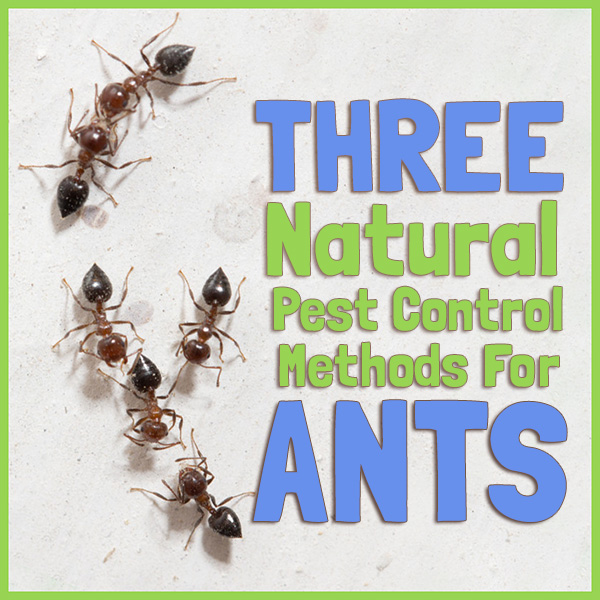
- Selective predation: Unlike broad-spectrum pesticides, warrior ants focus on soft-bodied insects, leaving pollinators like bees and ladybugs unharmed.
- Rapid response: Ant colonies can expand to cover hundreds of square meters within weeks, outpacing the spread of many pests.
- Self-sustaining: Once established, ant populations regulate themselves, reducing the need for human intervention.
However, the method is not without risks. Ecologists warn that introducing non-native ant species could disrupt local ecosystems if colonies escape containment. The Instituto de Productos Naturales y Agrobiología (IPNA) in Spain, which studies invasive species, notes that Oecophylla ants have caused ecological damage in regions like Hawaii and Australia, where they outcompete native ant species.
From Ancient Practice to Modern Agriculture: The Science Behind the Method
The use of ants for pest control is not new. Historical records from ancient China, including texts from the Qin Dynasty (221–206 BCE), describe farmers using ant colonies to protect citrus groves. Modern science has since validated these observations. A 2020 study in Proceedings of the National Academy of Sciences found that Oecophylla ants reduce pest populations by up to 85% in experimental setups, comparable to low-dose pesticide applications.
Dr. Li Wei, a researcher at the China Agricultural University, explains that the ants’ success lies in their “superorganism” behavior: “A single colony can act as a single unit, coordinating attacks on prey that would overwhelm individual insects. This makes them far more efficient than solitary predators or even many chemical treatments.”
Yet, scaling the method presents challenges. Ants require specific environmental conditions—high humidity, warm temperatures, and abundant vegetation—to thrive. In arid regions like northern China, the technique may not be feasible without additional habitat modifications. Additionally, farmers must be trained to manage ant colonies, a process that could be labor-intensive.
Global Adoption: Could This Method Replace Pesticides?
The potential for warrior ants to reduce global pesticide use is significant. The UN Food and Agriculture Organization (FAO) estimates that synthetic pesticides cause an estimated $10 billion in annual environmental and health damages worldwide. Biological control methods like ant-based pest management could mitigate these costs while promoting sustainable agriculture.
Countries like the United States and India have already adopted similar biological control strategies, such as introducing Trichogramma wasps to combat crop pests. However, these methods often rely on species native to the region to avoid ecological disruption. China’s approach, while innovative, faces skepticism from international regulators due to the risk of invasive species.
The Centre for Agriculture and Bioscience International (CABI), which monitors invasive species, advises caution: “While the ecological benefits are clear, the introduction of non-native species must be carefully monitored to prevent unintended consequences.”
What Happens Next? Challenges and Opportunities
For the warrior ant method to gain wider acceptance, several hurdles must be addressed:
- Regulatory approval: China’s Ministry of Agriculture has not yet issued guidelines for large-scale ant introductions. A spokesperson told Xinhua that further field trials are required to assess long-term ecological impacts.
- Farmer adoption: Many Chinese farmers remain skeptical of biological methods, preferring faster-acting chemical pesticides. Extension programs are needed to educate growers on the long-term benefits.
- Climate adaptability: Research is ongoing to determine how well the ants perform in diverse climates, from tropical regions to temperate zones.
Despite these challenges, the method has already attracted interest from environmental groups. Greenpeace China has praised the approach as a “model for sustainable agriculture,” while the World Resources Institute (WRI) highlights it as a case study in circular economy practices.
Where to Learn More: Official Resources and Updates
For readers interested in exploring this topic further, the following resources provide authoritative information:
- Chinese Academy of Agricultural Sciences (CAAS) – Research on biological pest control.
- FAO Crop Pest Management – Global trends in sustainable agriculture.
- Instituto de Productos Naturales y Agrobiología (IPNA) – Studies on invasive species risks.
- CABI Invasive Species Compendium – Ecological impact assessments.
FAQ: Common Questions About China’s Warrior Ant Pest Control
1. Are warrior ants safe for humans and pets?
Yes. Oecophylla smaragdina ants are not aggressive toward humans or pets. They focus on small insects and avoid contact with larger animals. However, individuals with severe ant allergies should avoid direct contact with ant colonies.

2. How much does this method cost compared to pesticides?
Initial costs are higher due to the need for habitat preparation and ant colony management. However, long-term savings on pesticide purchases and reduced crop damage make it cost-effective over time. A CAAS study estimated a 40% reduction in pest-related losses within three years of implementation.
3. Can this method be used in organic farming?
Absolutely. The technique aligns with organic farming principles, as it avoids synthetic chemicals entirely. Several organic certification bodies, including Ecocert, have expressed interest in endorsing ant-based pest control for certified organic farms.
4. What crops benefit most from this method?
Field trials have shown the greatest success with:
- Rice (reducing stem borer damage)
- Corn (controlling corn earworm)
- Soybeans (managing aphid infestations)
- Citrus fruits (protecting against fruit flies)
The Next Phase: What to Watch in 2024–2025
The Ministry of Agriculture is expected to release updated guidelines on biological pest control by September 2024, potentially clearing the way for pilot programs in additional provinces. Meanwhile, international collaborations—such as a joint project between CAAS and the CGIAR—are exploring the feasibility of adapting the method to African and Southeast Asian farmlands.
As synthetic pesticide bans expand in the EU and other regions, China’s warrior ant technique could become a model for eco-friendly agriculture. The question now is whether farmers, regulators, and scientists can overcome the remaining obstacles to bring this ancient solution into the modern world.
Share your thoughts: Could this method replace pesticides in your region? Leave a comment below or share this article with colleagues in agriculture and environmental science.
Stay updated: Follow World Today Journal for the latest on sustainable farming innovations.
Worth a look
- Police Open Fire During High-Speed Car Chase in Helsingborg After Suspected Shooting
- Balcon Paris: Dining with a View at Galeries Lafayette Haussmann
- Philippe Strehlé: An Extraordinary Journey from China to France (archynewsy.com)
- GM and SAIC Extend China Joint Venture for 20 Years Through 2047 (time.news)