
Shared gardens in Montpellier, France, are transforming urban neighborhoods by providing free fruits and vegetables to local residents and passersby. These community-led initiatives focus on creating “self-service” edible landscapes that increase food accessibility while fostering social connections among diverse urban populations.
The movement, characterized by the practice of leaving fresh produce in public-access areas, aims to repurpose urban spaces into productive environments. According to local community organizers, these gardens serve a dual purpose: providing nutritional resources to those in need and creating meeting points for residents who might otherwise remain isolated in high-density housing.
Montpellier has become a central hub for these practices as the city seeks to balance rapid urban growth with environmental sustainability. By converting vacant lots and underutilized green spaces into community orchards and vegetable patches, residents are actively participating in the city’s ecological transition.
How are community gardens transforming Montpellier neighborhoods?
The transformation of Montpellier’s neighborhoods relies on a shift from traditional ornamental landscaping to functional, edible greenery. Rather than planting purely aesthetic flowers, community members are installing fruit trees, berry bushes, and seasonal vegetable beds designed for public harvest.

This “self-service” model operates on a principle of trust and shared responsibility. In many of these spaces, the produce is not fenced off or guarded; instead, it is left for anyone walking through the neighborhood to collect. This approach turns a standard sidewalk or park into a source of food security for residents facing rising grocery costs.
Urban agriculture in Montpellier also addresses the “urban heat island” effect. By increasing the canopy cover through fruit tree planting, these gardens help lower local temperatures during the intense Mediterranean summers. The integration of permeable soil and diverse plant life also aids in stormwater management, a growing concern for southern French municipalities.
What role do shared gardens play in social cohesion?
Beyond the biological benefits, these gardens function as vital social infrastructure. In many urban districts, social isolation is a documented challenge, particularly among the elderly and migrant populations. Shared gardens provide a neutral ground where residents can interact through physical labor and shared goals.
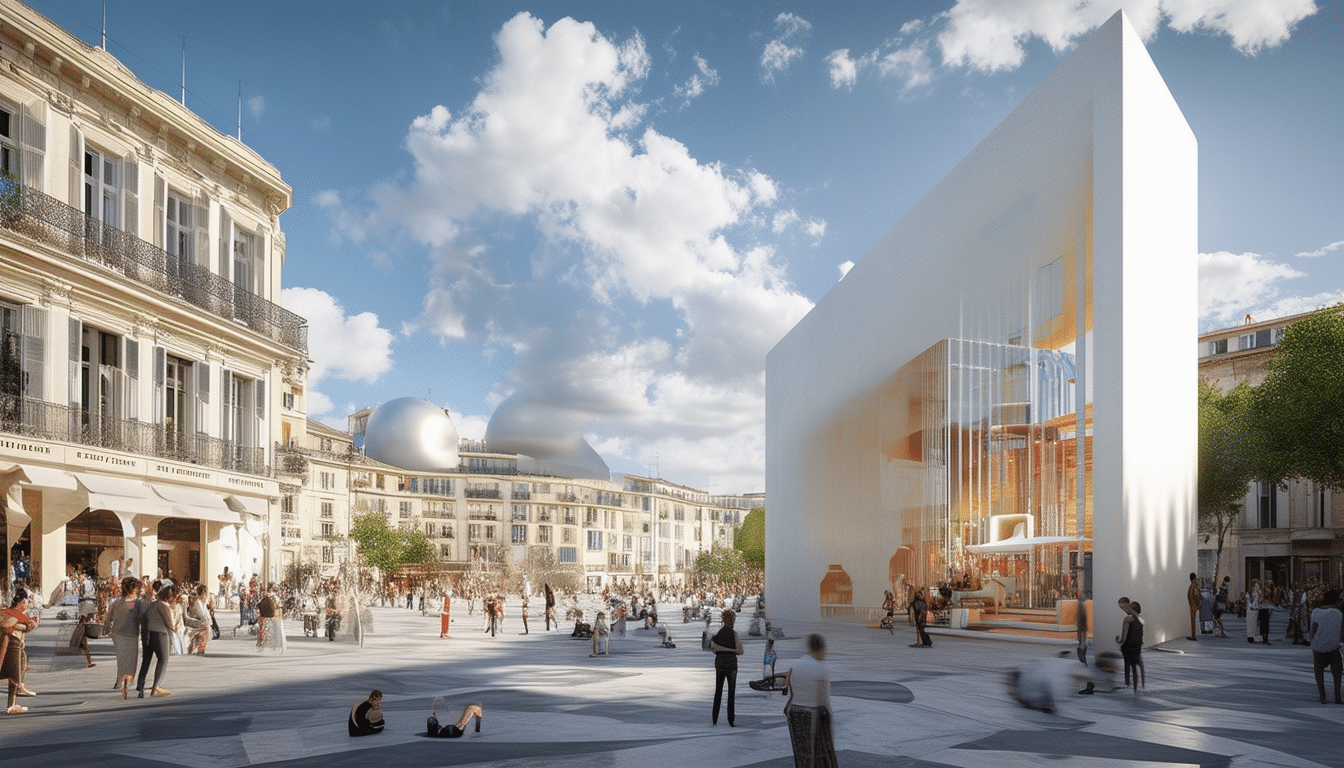
The practice of “giving to people passing by” creates a unique form of informal social exchange. When a resident picks a basket of tomatoes or a handful of herbs and leaves them for a neighbor, it establishes a cycle of perceived abundance and community care. This reduces the anonymity often felt in large cities and builds a sense of collective ownership over the neighborhood.
Local community leaders note that these spaces often bridge generational gaps. Older residents frequently share horticultural expertise with younger generations, while children learn about food origins through hands-on experience. This transfer of knowledge helps maintain local traditions and fosters a sense of continuity within the neighborhood.
Why is urban agriculture expanding in French cities?
The rise of community gardening in Montpellier is part of a broader trend across France, where urban agriculture is increasingly recognized as a tool for resilience. As climate volatility affects traditional agricultural yields, cities are looking toward localized food production to bolster food sovereignty.
French municipal policies have begun to reflect this shift. Many cities are integrating “green corridors” into their urban planning, which include provisions for community-managed plots. These policies recognize that small-scale urban farming can provide significant ecosystem services, including increased biodiversity and improved air quality.
The expansion is also driven by a growing consumer demand for transparency in food production. Residents in Montpellier are increasingly interested in knowing where their food comes from and how it is grown. Community gardens provide a direct link between the consumer and the growing process, eliminating the complexities of industrial supply chains.
To understand the different ways these gardens operate, the following table compares the two primary models found in Montpellier and similar European cities:
| Feature | Private Shared Gardens (Jardins Partagés) | Public Edible Landscapes (Self-Service) |
|---|---|---|
| Access | Typically requires membership or association registration. | Open to all passersby without registration. |
| Primary Goal | Hobby gardening and structured community building. | Food accessibility and urban beautification. |
| Maintenance | Managed by a specific group of assigned members. | Managed by volunteers or municipal services. |
| Produce Usage | Harvested by members for personal or group use. | Left in public areas for anyone to take. |
What are the challenges facing urban food initiatives?
Despite their success, these gardens face significant hurdles, primarily regarding land tenure and long-term stability. In rapidly developing cities like Montpellier, the pressure to convert vacant lots into residential or commercial real estate is constant. Without formal legal protections, a community garden that has flourished for years can be displaced by a new construction project.

Maintenance and vandalism also present ongoing issues. Because the “self-service” model relies on public trust, some gardens suffer from over-harvesting or damage to irrigation systems. Organizers must balance the desire for openness with the need to protect the plants so they can continue to produce food for the community.
Soil quality is another technical challenge. Urban soil can often contain heavy metals or pollutants from previous industrial uses. Many community gardeners must use raised beds and imported organic soil to ensure that the produce remains safe for consumption, which increases the initial cost and labor required for these projects.
The next phase for these initiatives will likely involve more formal integration into Montpellier’s municipal urban planning documents. Residents and local associations are expected to continue advocating for permanent “green easements” that protect these productive spaces from future development.
Do you think urban gardens should be a mandatory part of new city developments? Share your thoughts in the comments below and share this story with your community.
Keep reading