
Regular consumption of sugar-sweetened beverages is significantly associated with an increased risk of developing non-alcoholic fatty liver disease (NAFLD), according to large-scale epidemiological research. A comprehensive analysis involving 1.5 million participants underscores the physiological impact of high fructose intake on hepatic health, highlighting a clear correlation between daily soda consumption and metabolic dysfunction in the liver.
As a physician, I frequently see the consequences of dietary patterns on long-term metabolic health. When we discuss the risks of sugar-sweetened beverages, we are primarily looking at the liver’s unique role in metabolizing fructose. Unlike glucose, which is used by cells throughout the body for energy, fructose is processed almost exclusively in the liver. When consumed in excess, this leads to a process called de novo lipogenesis—the creation of new fat—which can accumulate within liver cells, potentially leading to inflammation and fibrosis over time, as explained by the National Institute of Diabetes and Digestive and Kidney Diseases (NIDDK).
How Excess Sugar Alters Liver Function
The liver acts as the body’s primary metabolic processing center. When an individual consumes high amounts of sugar-sweetened beverages, the liver is flooded with a concentrated dose of fructose. Research published by the American Heart Association indicates that excessive sugar intake does more than contribute to weight gain; it directly impacts insulin sensitivity. This systemic resistance forces the liver to work harder to manage blood glucose levels, often resulting in the storage of excess energy as fat within the liver tissue itself.
This condition, known as non-alcoholic fatty liver disease, often presents without overt symptoms in its early stages. However, the cumulative effect of daily sugar intake can transition from simple steatosis (fat accumulation) to non-alcoholic steatohepatitis (NASH), a more severe form characterized by liver cell injury and inflammation. The World Health Organization (WHO) recommends limiting free sugar intake to less than 10% of total daily energy intake to mitigate risks associated with metabolic disorders, including liver disease.
Data from Large-Scale Population Studies
The recent analysis of 1.5 million individuals reinforces what smaller clinical trials have suggested for years: the frequency of intake is a critical determinant of health outcomes. Large-scale observational studies are essential for public health because they allow researchers to observe patterns across diverse demographics and lifestyle factors. According to the Lancet Gastroenterology & Hepatology, the global prevalence of NAFLD has risen in tandem with the increased consumption of processed foods and sugar-sweetened drinks.
The data suggests that the risk is not limited to those who are already overweight or obese. Even individuals with a healthy body mass index (BMI) who maintain high daily intakes of sugar-sweetened beverages may experience “hidden” metabolic changes. This is often referred to as the “thin on the outside, fat on the inside” (TOFI) phenotype, where visceral fat accumulates around organs, including the liver, despite a normal appearance.
Practical Steps for Liver Health
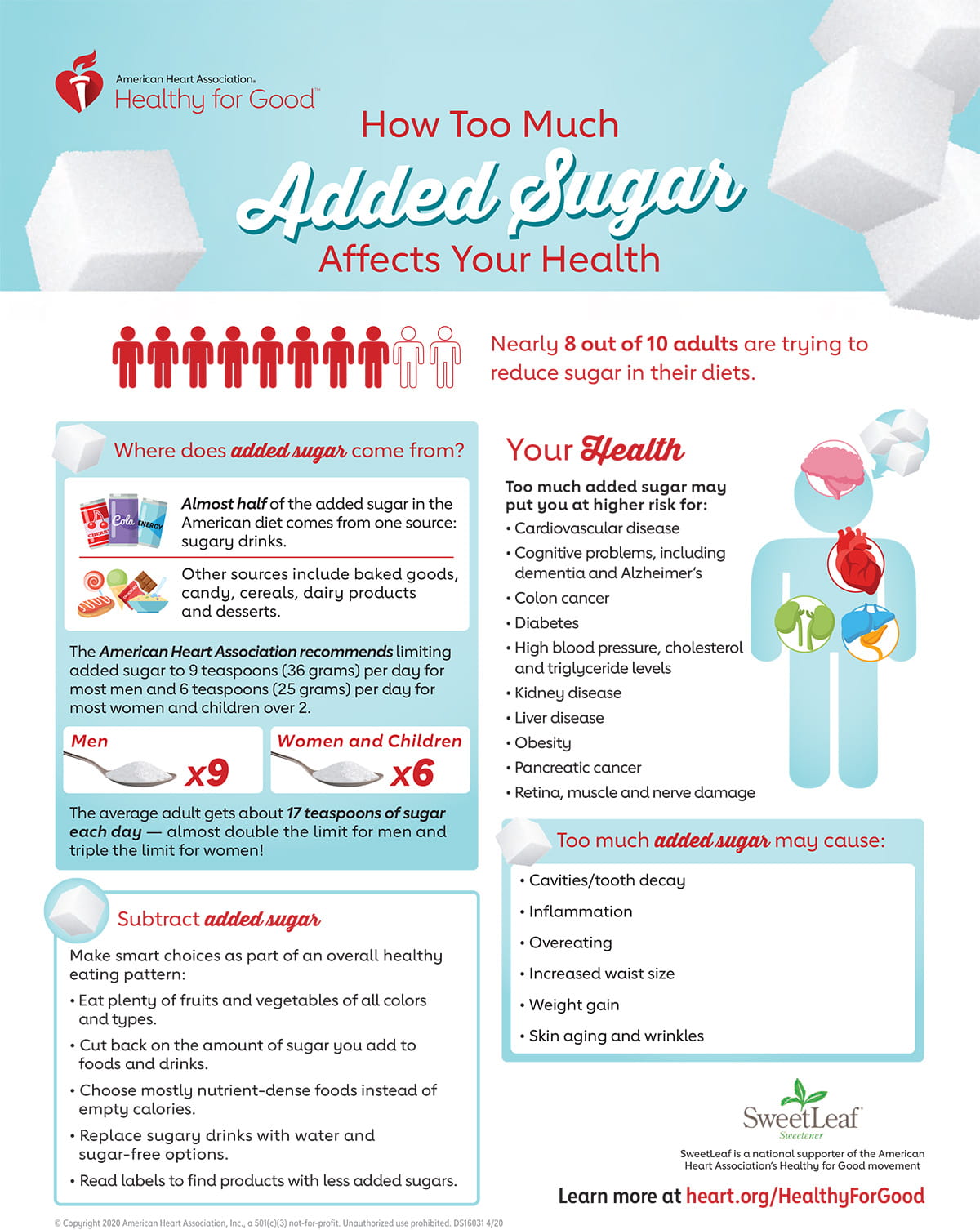
For many, the most effective strategy for reducing liver-related risk is the gradual reduction of sugar-sweetened beverages. Replacing sodas, energy drinks, and sweetened teas with water, unsweetened coffee, or herbal tea can significantly lower the daily fructose load on the liver. The Centers for Disease Control and Prevention (CDC) provides resources on the hidden sugars in common drinks, which often exceed the recommended daily allowance for added sugar in a single serving.
It is also important to consider the role of overall dietary patterns. A diet rich in fiber, healthy fats, and lean proteins—often referred to as the Mediterranean-style diet—has been shown in clinical settings to support liver function and improve insulin sensitivity. If you are concerned about your liver health, the most appropriate step is to consult with a primary care physician. They can perform routine blood tests, such as liver function panels, or imaging if clinical indicators warrant further investigation.
Monitoring Future Developments
The scientific community continues to study the long-term effects of dietary sugar on metabolic pathways. Future updates from major health organizations, such as the European Association for the Study of the Liver (EASL), are expected to provide more specific guidelines as more data regarding the specific types of sugars—such as high-fructose corn syrup versus sucrose—becomes available. Staying informed through peer-reviewed research and official public health advisories remains the best way to navigate these findings.
Have you adjusted your beverage habits recently? Share your experiences or questions in the comments below. For those seeking personalized medical advice, please schedule a consultation with your healthcare provider to discuss your specific health profile and metabolic markers.
Keep reading