As a physician who has spent over a decade navigating the complexities of internal medicine and public health, I have often encountered patients seeking quick fixes for weight management. One of the most persistent myths in the wellness industry is that calorie restriction is a gender-neutral endeavor. However, emerging research into chronobiology and metabolic health suggests that the physiological response to aggressive dieting is far from uniform across the sexes.
Recent scientific discourse has highlighted a critical nuance: restrictive dieting appears to impact sleep architecture and overall circadian health differently in men and women. For many women, the biological drive to conserve energy during periods of perceived caloric scarcity can trigger systemic stress responses that manifest as persistent sleep disturbances. Understanding why this 29% discrepancy—often cited in metabolic studies regarding hormonal sensitivity to energy deficits—exists is essential for anyone looking to optimize their health without compromising their restorative rest.
The Biological Basis: Why Women Face Unique Challenges
The human body is an evolutionary marvel designed to prioritize survival over aesthetics. When a person reduces their caloric intake significantly, the hypothalamus—a region of the brain responsible for maintaining homeostasis—responds by adjusting hormonal output. In women, this system is intricately linked to the hypothalamic-pituitary-gonadal (HPG) axis, which governs reproductive health and is highly sensitive to energy availability, as noted by the Endocrine Society.
When caloric intake drops below a certain threshold, the body may perceive this as a famine state. This triggers an increase in cortisol, the body’s primary stress hormone. Unlike men, who may show a more buffered response to short-term caloric deficits, women often exhibit a more pronounced elevation in cortisol levels, which can directly antagonize melatonin production and disrupt the sleep-wake cycle. This is not merely a matter of willpower; it is a fundamental difference in how our systems process metabolic stress.
Beyond the Scale: The Impact of Cortisol and Ghrelin
The relationship between dieting and sleep is mediated by a complex interplay of hormones, most notably ghrelin and leptin. Ghrelin, the “hunger hormone,” signals the brain to seek food, while leptin signals satiety. Research published in journals like Nature Metabolism underscores that chronic energy restriction can lead to dysregulation in these signaling pathways, causing the brain to remain in a state of “high alert” at night—a physiological response that often leads to insomnia or fragmented sleep.
For women, the stakes are higher because of the cyclical nature of hormonal fluctuations. During the luteal phase of the menstrual cycle, the basal metabolic rate naturally increases, and sleep quality can already be sensitive to temperature changes. When you combine this natural variability with an aggressive, low-calorie diet, the body’s stress response is amplified. According to the National Sleep Foundation, women are already more likely than men to report sleep-related issues, and nutritional stress acts as a significant compounding factor.
Key Takeaways for Sustainable Health
- Prioritize Nutrient Density: Rather than focusing solely on caloric reduction, focus on the quality of macronutrients to stabilize blood glucose levels throughout the night.
- Mind the Timing: Avoid large, heavy meals right before bed, but ensure you are not going to bed in a state of severe metabolic distress.
- Monitor Your Stress Markers: If you find yourself waking up at 3:00 or 4:00 AM, it may be a sign of a cortisol spike, often triggered by blood sugar drops resulting from inadequate daytime intake.
- Consult Professionals: Sustainable weight management should be supervised by a registered dietitian or a physician to ensure that your metabolic health remains stable.
Avoiding the “Dieting Trap”
The “trap” of dieting often lies in the desire for rapid results. However, the body rarely responds well to sudden, extreme shifts in energy intake. When we look at clinical data, moderate, consistent lifestyle changes yield better long-term outcomes than aggressive caloric restriction. The goal should be to fuel the body in a way that supports metabolic function rather than forcing it into a state of chronic stress.

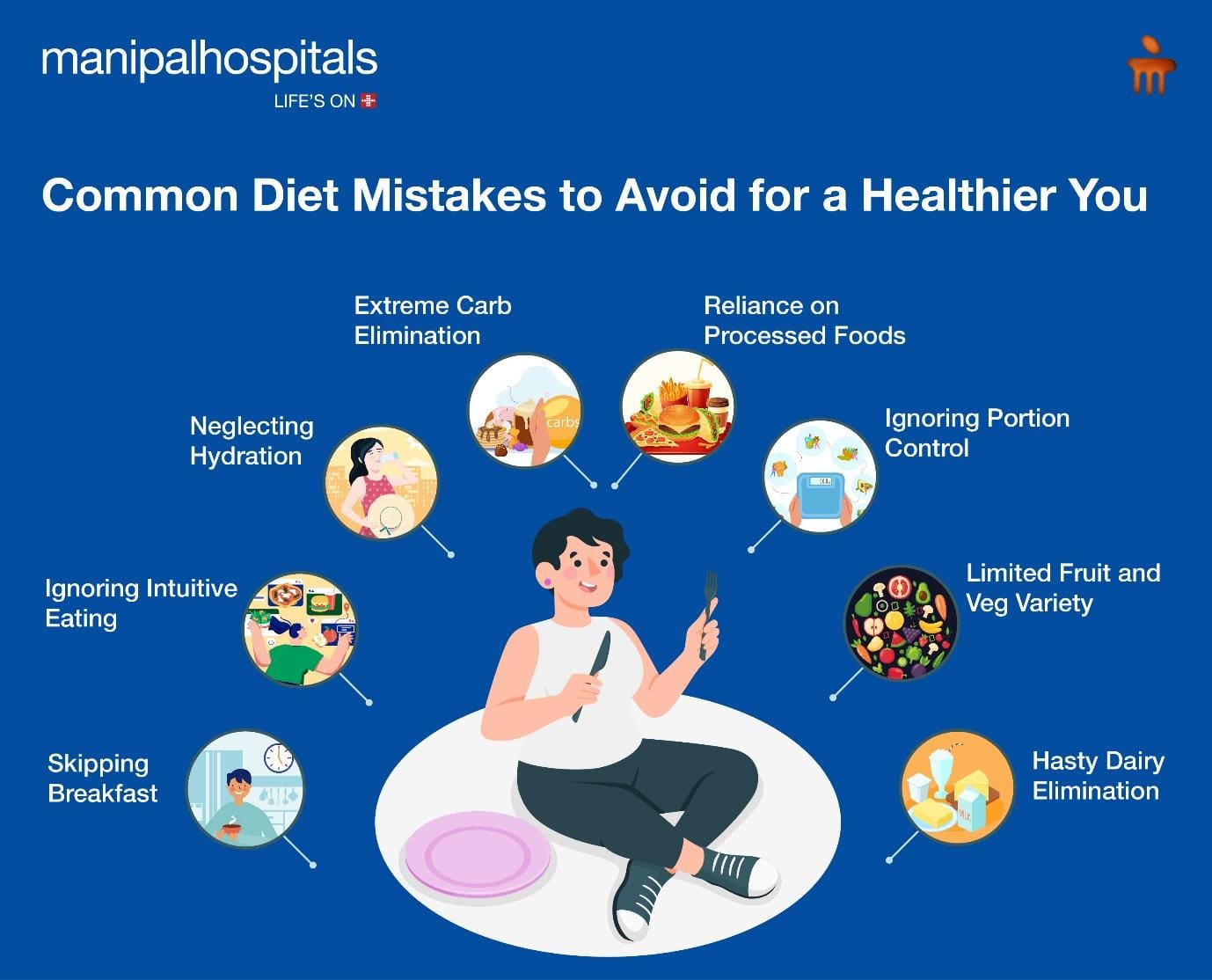
If you are experiencing persistent sleep disturbances while adjusting your diet, it is a signal from your body that needs to be heard. It is not a failure of discipline; it is a biological feedback loop. Addressing this requires a shift in perspective—viewing food as fuel for hormonal balance rather than just a number on a spreadsheet.
Moving Forward: A Balanced Approach
As we continue to learn more about the intersection of nutrition, sleep, and gender-specific physiology, it becomes increasingly clear that there is no one-size-fits-all approach to wellness. Future clinical studies, such as those overseen by organizations like the National Institutes of Health (NIH), will continue to provide deeper insights into how personalized nutrition can prevent the unintended consequences of dieting.
For now, the best path forward is one of moderation and self-awareness. If you are struggling with sleep, take a step back and evaluate your nutritional intake. Is your diet supporting your circadian rhythm, or is it working against it? I encourage our readers to prioritize consistency over intensity.
Have you noticed changes in your sleep quality while adjusting your diet? Share your experiences and questions in the comments below, and let’s continue the conversation on building a healthier, more informed approach to nutrition.
Keep reading