
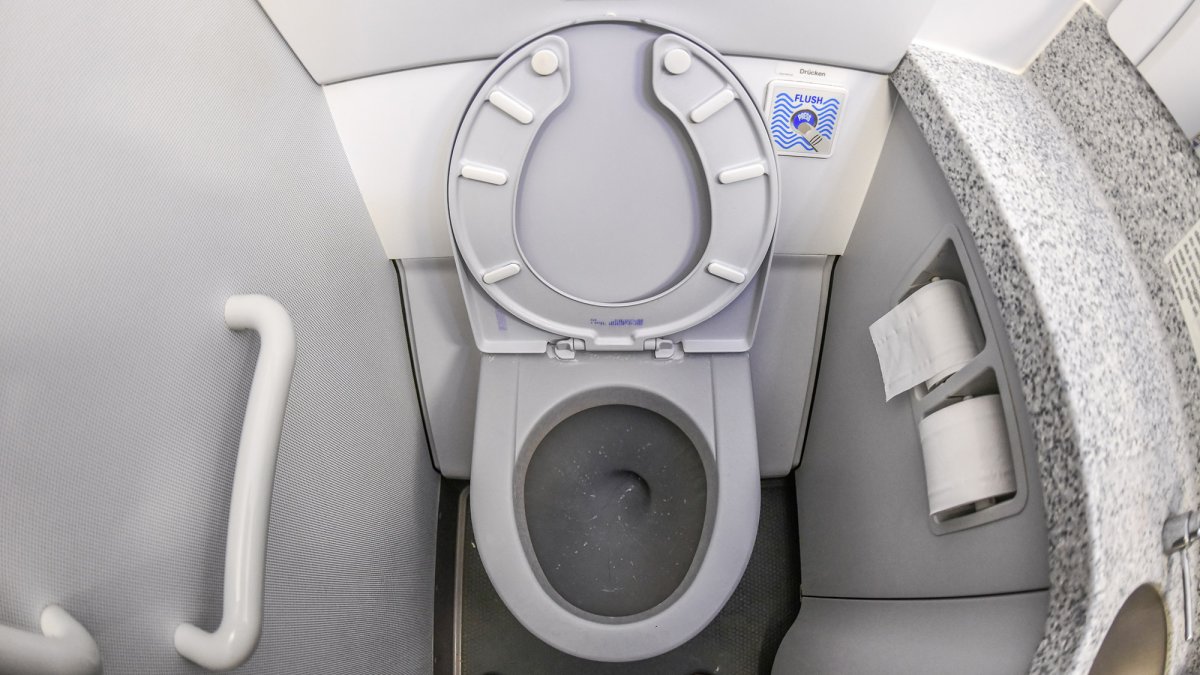
There is a specific, unmistakable sound that accompanies a mid-flight trip to the lavatory: a violent, thunderous “slurp” that can startle even the most seasoned traveler. For many, especially children, that sudden rush of air feels less like a cleaning mechanism and more like a localized vacuum capable of pulling a passenger into the plumbing. However, beneath that startling noise lies one of the most efficient examples of fluid dynamics in modern aviation. Understanding how airplane toilets work reveals a sophisticated intersection of physics, weight management, and high-altitude engineering.
Unlike the plumbing in a residential home, which relies on gravity and large volumes of water to move waste, aircraft lavatories must operate within the constraints of extreme altitude, limited space, and the uncompromising necessity of weight reduction. To achieve this, engineers have moved away from traditional methods, instead leveraging the very environment that makes flight possible: the massive pressure differential between the pressurized cabin and the thin atmosphere outside.
The Physics of the Flush: Utilizing Pressure Differentials
The secret to the modern aircraft flush is the vacuum toilet system. To understand this, one must first consider the environment of a commercial flight. While an aircraft may be cruising at altitudes between 31,000 and 42,000 feet, the cabin is artificially pressurized to simulate a much lower altitude, typically around 6,000 to 8,000 feet. This ensures that passengers can breathe comfortably and maintain normal physiological functions.
Because the air pressure inside the cabin is significantly higher than the ambient air pressure outside the aircraft, a tremendous amount of potential energy is available. When a passenger presses the flush button, they are not triggering a water-heavy pump. they are opening a valve that connects the toilet bowl to a waste holding tank. Because the pressure in the holding tank (or the vent system leading to it) is much lower than the pressurized cabin air, the air rushes toward the low-pressure zone with incredible velocity. This rapid movement of air creates the suction required to pull waste through the pipes almost instantaneously.
This reliance on pressure differentials allows the system to function with minimal liquid. While a standard home toilet might use several liters of water per flush, an airplane toilet uses only a small amount of liquid—often just a few ounces—to assist in the movement of waste. This distinction is critical for the operational efficiency of the aircraft.
Weight Management: Why Water is the Enemy of Aviation
In the world of aerospace engineering, weight is the primary adversary. Every additional kilogram on board requires more lift, which in turn requires more thrust, ultimately leading to increased fuel consumption. This relationship is a fundamental principle of aviation economics: heavier planes burn more fuel, which increases operating costs and carbon emissions.
If commercial aircraft utilized traditional gravity-fed toilets, they would need to carry hundreds, if not thousands, of gallons of fresh water to replenish the tanks after every flight. The weight of that water alone would be prohibitive. By utilizing vacuum-based aircraft lavatory engineering, airlines can drastically reduce the amount of onboard water required. This weight savings translates directly into better fuel efficiency and the ability to carry more payload, such as passengers or cargo.
the reduction in water usage minimizes the size and weight of the plumbing infrastructure. Smaller pipes and smaller holding tanks mean less structural weight, contributing to the overall optimization of the airframe. For a global airline operating a fleet of hundreds of aircraft, these marginal savings per flight aggregate into millions of dollars in annual fuel savings.
A Brief History of In-Flight Sanitation
The evolution of aircraft sanitation is a journey from rudimentary—and often unhygienic—solutions to the highly automated systems used today. In the earliest days of aviation, when flights were short and aircraft flew at much lower altitudes, bathrooms were non-existent. Historical accounts suggest that pilots often had to resort to makeshift methods to manage biological needs, which posed significant hygiene and operational challenges.
As passenger travel became more mainstream in the 1920s, the industry began to implement basic solutions, such as simple buckets located at the rear of the aircraft. While this was an improvement over no facilities at all, it was far from the luxury experience modern travelers expect. The late 1930s saw a major milestone with the introduction of the first enclosed lavatories on aircraft like the Douglas DC-4. However, even these early versions were primitive; they often featured removable bowls that required flight crews to manually empty them after landing.
The mid-20th century brought the era of chemical toilets. These systems used tanks filled with disinfectant liquids—often dyed a bright blue to indicate the presence of chemicals—to manage waste. While more effective than buckets, these systems were heavy and required significant maintenance. The transition to the high-efficiency vacuum systems we see today represents the pinnacle of this technological progression, solving the dual problems of weight and hygiene simultaneously.
The “Blue Ice” Phenomenon and Waste Management Risks
Despite the sophistication of modern systems, aviation still faces unique challenges related to waste. One of the most notorious issues is a phenomenon known as “blue ice.” This occurs when a leak develops in the aircraft’s waste holding tank or a faulty valve allows sewage to escape into the exterior environment. At high altitudes, where temperatures are consistently well below freezing, this liquid waste instantly freezes upon contact with the aircraft’s exterior.
Because the waste in these tanks often contains blue disinfectant chemicals, the resulting ice takes on a distinct azure hue. While modern aircraft are designed with multiple redundancies and sealed tanks to prevent such leaks, the phenomenon can occasionally occur. In rare instances, as the aircraft descends into warmer, denser air, these chunks of ice can break off from the fuselage. While extremely rare in the modern era of highly regulated aviation safety standards, it remains a known technical challenge for engineers to mitigate.
It is important to clarify a common misconception: aircraft do not simply “dump” sewage while flying. The waste is securely contained within sealed holding tanks located in the belly of the plane. These tanks remain part of the aircraft’s load until the plane reaches the gate, ensuring that the waste is managed in a controlled, hygienic manner on the ground.
The Logistics of Ground Maintenance
Once an aircraft lands, the process of managing its accumulated waste begins. This is handled by specialized ground service vehicles, colloquially known as “honey trucks,” though the industry term is lavatory service vehicles. These specialized trucks connect to the aircraft’s waste ports and use high-powered pumps to extract the contents of the holding tanks.
This part of the operation is critical for maintaining flight schedules. One of the most significant challenges for ground crews and aircraft mechanics is the prevention of clogs. Because aircraft toilet pipes are significantly narrower than residential plumbing, they are highly susceptible to blockages. Maintenance crews have reported finding various non-flushable items, ranging from paper products to metal objects, which can cause major operational disruptions. A single clog can ground an aircraft for days, necessitating intensive mechanical repairs to the internal plumbing system.
To prevent these delays, airlines rely on strict passenger guidance and robust maintenance protocols. Ensuring that the lavatory remains clear of foreign objects is not just a matter of hygiene; it is a vital component of maintaining the reliability and turnaround time of the global aviation network.
FAQ: Common Airplane Lavatory Myths
- Can the vacuum suck a person into the toilet? No. While the suction is powerful enough to move waste rapidly, it is nowhere near strong enough to pose a physical danger to a human being.
- Do planes dump sewage in the sky? No. All waste is stored in sealed holding tanks and is only removed by ground crews after the aircraft has landed.
- Why is the flush so loud? The loud sound is the result of air rushing at high velocity from the high-pressure cabin into the low-pressure waste system.
- What is “blue ice”? It is frozen waste that forms due to an accidental leak in the waste system at high altitudes; it is a rare occurrence in modern aviation.
As aviation technology continues to advance, the focus remains on further optimizing weight, reducing environmental impact, and enhancing passenger comfort. The humble airplane toilet, often overlooked, remains a testament to the complex engineering required to keep the world moving at 500 miles per hour.
For more in-depth analysis of the technologies shaping our world, follow World Today Journal’s Tech section. What other “everyday” technologies fascinate you? Let us know in the comments below.