LONDON — President Donald Trump has signaled a resolute stance regarding the administration’s ongoing military and diplomatic engagement with Iran, suggesting that the pursuit of national security objectives will take precedence over domestic political concerns and immediate economic fluctuations. In a series of recent remarks, the President indicated that he is not allowing the potential political fallout of the Iran conflict to influence his strategic decision-making, particularly as the country approaches critical midterm elections.
The President’s comments arrive at a period of heightened geopolitical tension, as the administration manages combat operations and diplomatic maneuvers in the Middle East. For the Republican Party, the timing is particularly sensitive; the party is currently tasked with defending slim majorities in both chambers of the United States Congress, making the political impact of foreign wars a central concern for party leadership and voters alike.
The intersection of international conflict, energy market stability, and domestic electoral politics has created a complex landscape for the White House. While critics point to the potential for economic volatility—specifically regarding global oil and gas prices—the President has maintained that the long-term security implications of a nuclear-armed Iran far outweigh the short-term political or financial costs.
Security Over Politics: The Midterm Outlook
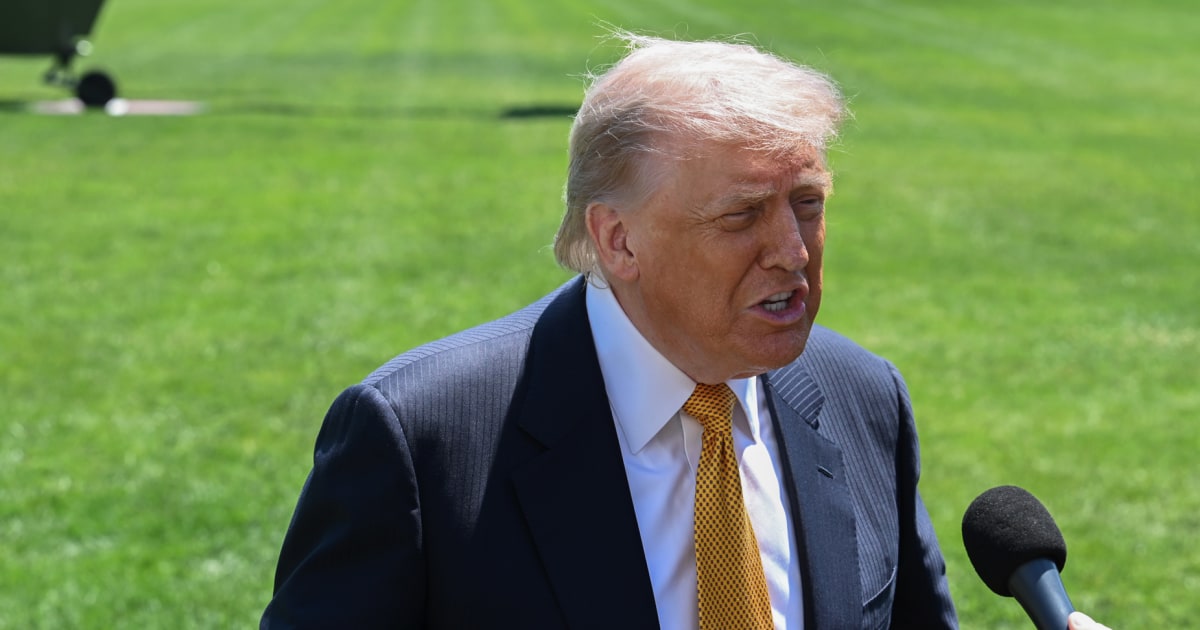
In an exclusive interview with Sharyl Attkisson on the program “Full Measure,” filmed at the White House, President Trump addressed the scrutiny regarding how the Iran war might affect the upcoming midterm elections. The President stated that he is not considering the political implications of the conflict on the electoral landscape, despite the high stakes for the Republican Party.
The upcoming midterms represent a pivotal moment for the current administration. With Republicans defending narrow majorities in both the House of Representatives and the Senate, any perceived instability resulting from foreign intervention could influence voter sentiment. However, the President’s rhetoric suggests a “security-first” doctrine, where the prevention of regional instability and nuclear proliferation is treated as an absolute priority that exists independently of the electoral cycle.
This approach highlights a fundamental tension in modern governance: the balance between the immediate needs of the electorate—such as economic stability and political continuity—and the long-term strategic requirements of national defense. By framing his decisions as being insulated from political pressure, the President is attempting to project a sense of decisiveness and mission-driven leadership.
Economic Concerns and the Energy Market
Beyond the political arena, the conflict in Iran has direct implications for the American consumer, particularly through the lens of energy costs. During the interview with Attkisson, the discussion turned to the volatility of oil and gas prices, a topic that remains one of the most significant drivers of domestic economic sentiment.
Attkisson noted the inherent difficulty for any political leader to navigate the short-term “political hit” that often accompanies fluctuations in energy prices during times of international conflict. She observed that the current political and media climate tends to demand immediate responses to economic shifts, which can complicate long-term strategic planning.
In response to these concerns, the President offered an assurance regarding the energy sector. He expressed hope and a promise that gas prices would eventually see a downward trend as a result of the administration’s actions and the latest developments in Iran. This attempt to decouple the immediate costs of conflict from the eventual economic benefits reflects a strategy of asking the public to endure short-term instability for the sake of long-term security and market stabilization.
The Nuclear Imperative and Regional Security
The core of the President’s justification for the current posture toward Tehran remains the prevention of nuclear proliferation. Trump emphasized that the administration views the prospect of an Iranian nuclear weapon as an unacceptable threat to both regional and global stability.
The President’s critique of previous diplomatic efforts was central to his argument. He asserted that the termination of the previous nuclear deal was a necessary step to prevent Iran from acquiring nuclear capabilities. According to the President, had that agreement remained in place, Iran would have gained access to nuclear technology that could have been deployed against Israel and other nations in the Middle East.
the President highlighted the advanced nature of Iran’s conventional military capabilities, specifically noting the development of rocket technology. He remarked that these capabilities have reached a level where they could potentially threaten much further reaches, including Europe. This assessment underscores the administration’s view that the Iran issue is not merely a regional concern but a global security imperative that requires a firm and proactive response.
Key Takeaways: The Iran Conflict and Domestic Impact
- Strategic Priority: The President has stated that national security objectives regarding Iran are not being dictated by the political needs of the upcoming midterm elections.
- Political Stakes: Republicans are currently defending slim majorities in both the House and Senate, making the fallout from the Iran war a significant factor for party strategists.
- Economic Outlook: Despite concerns over energy volatility, the administration has promised that gas prices will decrease following recent developments in the region.
- Nuclear Non-Proliferation: The administration’s primary driver is the prevention of Iran obtaining nuclear weapons, a goal they argue was jeopardized by previous diplomatic frameworks.
- Regional Threat: The President cited the reach of Iranian rocket technology as a significant threat to both the Middle East and Europe.
As the situation in the Middle East continues to evolve, the administration’s ability to manage both the security risks and the domestic economic impacts will likely serve as a defining metric for the Republican Party in the months leading up to the midterm elections. Observers will be watching closely to see if the promised stabilization of energy markets manifests and how the electorate responds to a foreign policy centered on preemptive security measures.

The next scheduled update regarding the administration’s diplomatic efforts in the Middle East is expected following the conclusion of current peace talks in Islamabad.
What are your thoughts on the administration’s approach to balancing foreign security and domestic economic concerns? Share your views in the comments below and share this article with your network.