
In an increasingly digitized global economy, the traditional mechanisms of moving value—often characterized by multi-day settlement windows, opaque wire fees, and the friction of cross-border banking—are facing a significant challenge. For many, the question of how does cryptocurrency actually work has moved from a niche technical curiosity to a necessary component of financial literacy. At its core, cryptocurrency represents a shift from centralized, institutional trust to a decentralized framework powered by cryptography.
As we observe the evolution of international finance from my desk here in Sofia, it becomes clear that understanding digital assets requires looking past the speculative headlines. Whether you are navigating international remittances or exploring the underlying architecture of distributed ledger technology, the mechanics of cryptocurrency are rooted in a specific, verifiable set of mathematical rules designed to remove the need for a central clearinghouse.
The Architecture of Decentralization
To understand the foundation of cryptocurrency, one must first look at the technology that makes it possible: the blockchain. A blockchain is, quite simply, a digital, distributed ledger that records transactions across a network of computers. Unlike a traditional bank database, which is controlled by a single entity, a blockchain is maintained by participants across the globe. According to the U.S. Federal Reserve, these digital assets typically rely on decentralized networks to maintain records and verify transactions, rather than relying on a central authority or intermediary.

When a transaction is initiated, it is broadcast to the network. Participants, often referred to as nodes, validate the transaction against the protocol’s rules. Once verified, the transaction is bundled with others into a “block.” This block is then cryptographically linked to the preceding block, creating an immutable chain. This process ensures that once data is recorded, it cannot be altered without the consensus of the majority of the network, a feature known as data integrity.
Consensus Mechanisms: How Networks Stay Honest
One of the most frequent questions I encounter regarding digital assets is how a network without a boss prevents fraud. The answer lies in consensus mechanisms. Two of the most prominent models are Proof of Work (PoW) and Proof of Stake (PoS). Bitcoin, the first and most well-known cryptocurrency, utilizes the Proof of Work model. In this system, network participants—known as miners—compete to solve complex mathematical puzzles. The first to solve the puzzle earns the right to add the next block to the chain and is rewarded with newly minted cryptocurrency.

In contrast, many newer networks have adopted the Proof of Stake model. Under this mechanism, validators are chosen to create new blocks based on the amount of cryptocurrency they hold and are willing to “stake” or lock up as collateral. This is generally considered more energy-efficient than PoW. As noted by the U.S. Securities and Exchange Commission (SEC), investors should be aware that these technologies are still subject to significant regulatory scrutiny and market volatility, as they operate in a space where consumer protections are still being defined globally.
Key Differences Between Traditional Finance and Crypto
The practical difference for the average user often comes down to speed and transparency. Traditional banking systems rely on a series of correspondent banks to move money across borders, which often results in fees and delays. Cryptocurrency networks operate 24/7, with transaction times determined by the network’s congestion and protocol design rather than banking business hours.
- Decentralization: No single entity controls the network.
- Immutability: Once a transaction is confirmed on the blockchain, it is theoretically permanent.
- Transparency: On public blockchains, all transactions are visible to anyone with access to a block explorer.
- Self-Custody: Users have the ability to hold their assets in private digital wallets, giving them sole control over their funds.
Risk and Regulatory Landscapes
While the technology offers efficiency, it is not without risks. Because transactions are irreversible, a mistake in sending funds—such as entering the wrong wallet address—can lead to a permanent loss of assets. The regulatory environment is evolving rapidly. In the European Union, the Markets in Crypto-Assets (MiCA) regulation was adopted in 2023 to provide a comprehensive framework for crypto-asset service providers and to enhance consumer protection. This represents a major milestone in bringing digital assets under formal oversight.
Investors and users should remain vigilant. The lack of a central administrator means that if a platform or wallet is compromised, there is no “customer service” department to reverse the transaction or recover lost assets. This makes security hygiene—such as using hardware wallets and multi-factor authentication—paramount for anyone participating in this ecosystem.
The Future of Digital Value
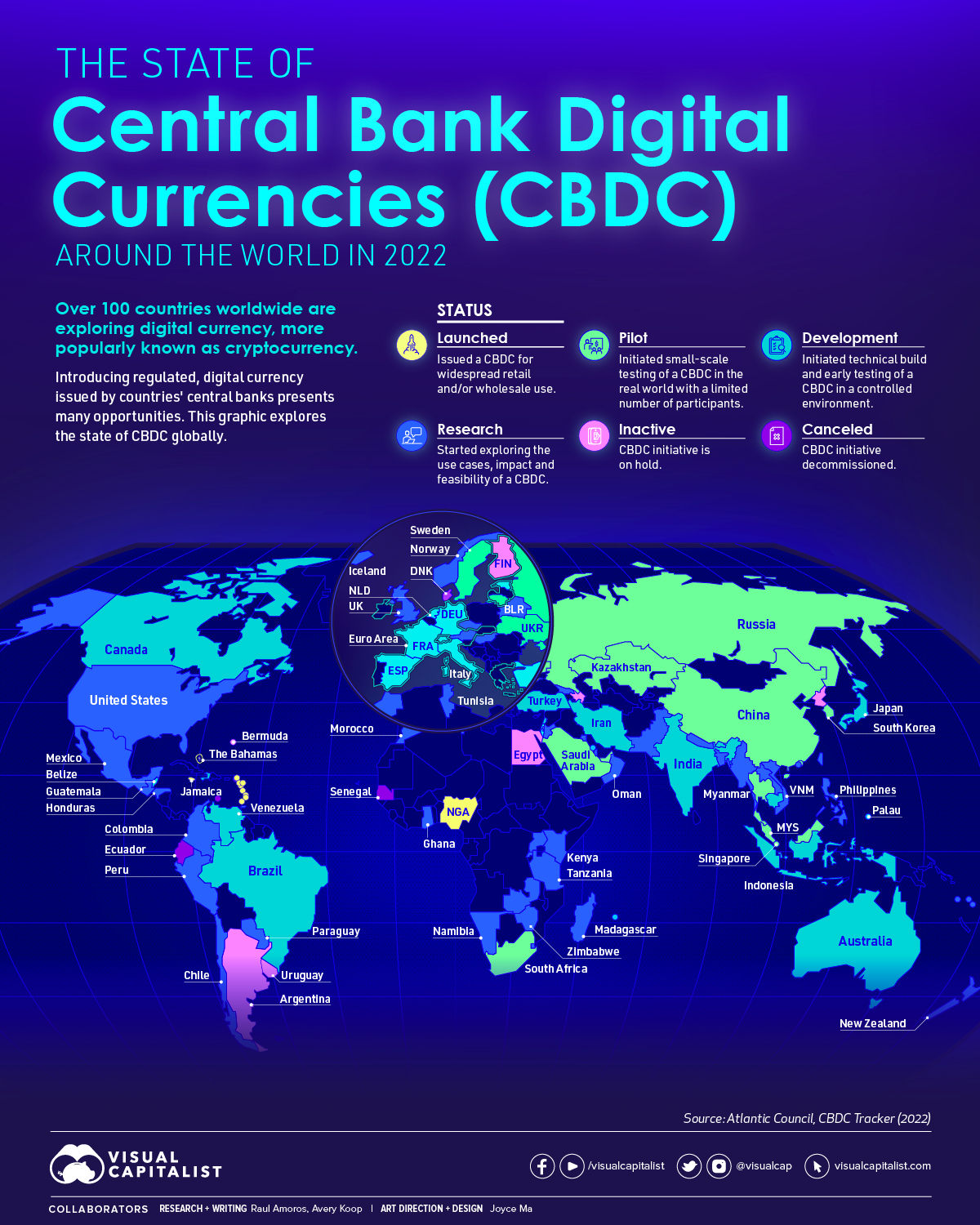
We are currently in a transition period. Central banks around the world are investigating their own digital versions of fiat currency, known as Central Bank Digital Currencies (CBDCs). These differ from cryptocurrencies in that they are centralized and issued by a monetary authority, such as the European Central Bank or the Federal Reserve. The coexistence of private cryptocurrencies and potential state-issued digital tokens will likely define the next decade of geopolitical and economic discourse.
For those looking to stay informed, the most reliable updates come from official regulatory bodies. In the U.S., the Consumer Financial Protection Bureau (CFPB) provides ongoing guidance regarding the risks associated with digital assets. As these technologies continue to integrate into our global financial fabric, the “plain English” understanding of these systems will remain a vital tool for citizens and professionals alike.
As international regulators continue to hold hearings and draft new directives, we will monitor these developments closely. The next major update in the implementation of the EU’s MiCA framework is expected in late 2024, as the final technical standards come into full effect. We welcome your thoughts on how digital assets are changing the landscape in your region—please join the conversation in the comments section below.