Europe’s aging infrastructure is facing unprecedented strain as record-breaking heat waves expose the vulnerability of systems designed for a cooler, more stable climate. Across the continent, transport networks, power grids, and urban water supplies are struggling to maintain operational integrity under thermal stress, according to reports from the European Environment Agency (EEA).
The rising frequency and intensity of extreme heat events have triggered a re-evaluation of public policy and engineering standards. Infrastructure built decades ago, which was intended to withstand seasonal temperature fluctuations, is now encountering “tipping points” where materials expand, buckle, or fail to cool effectively, necessitating significant long-term investment in climate resilience.
Thermal Stress on Transport and Energy Networks
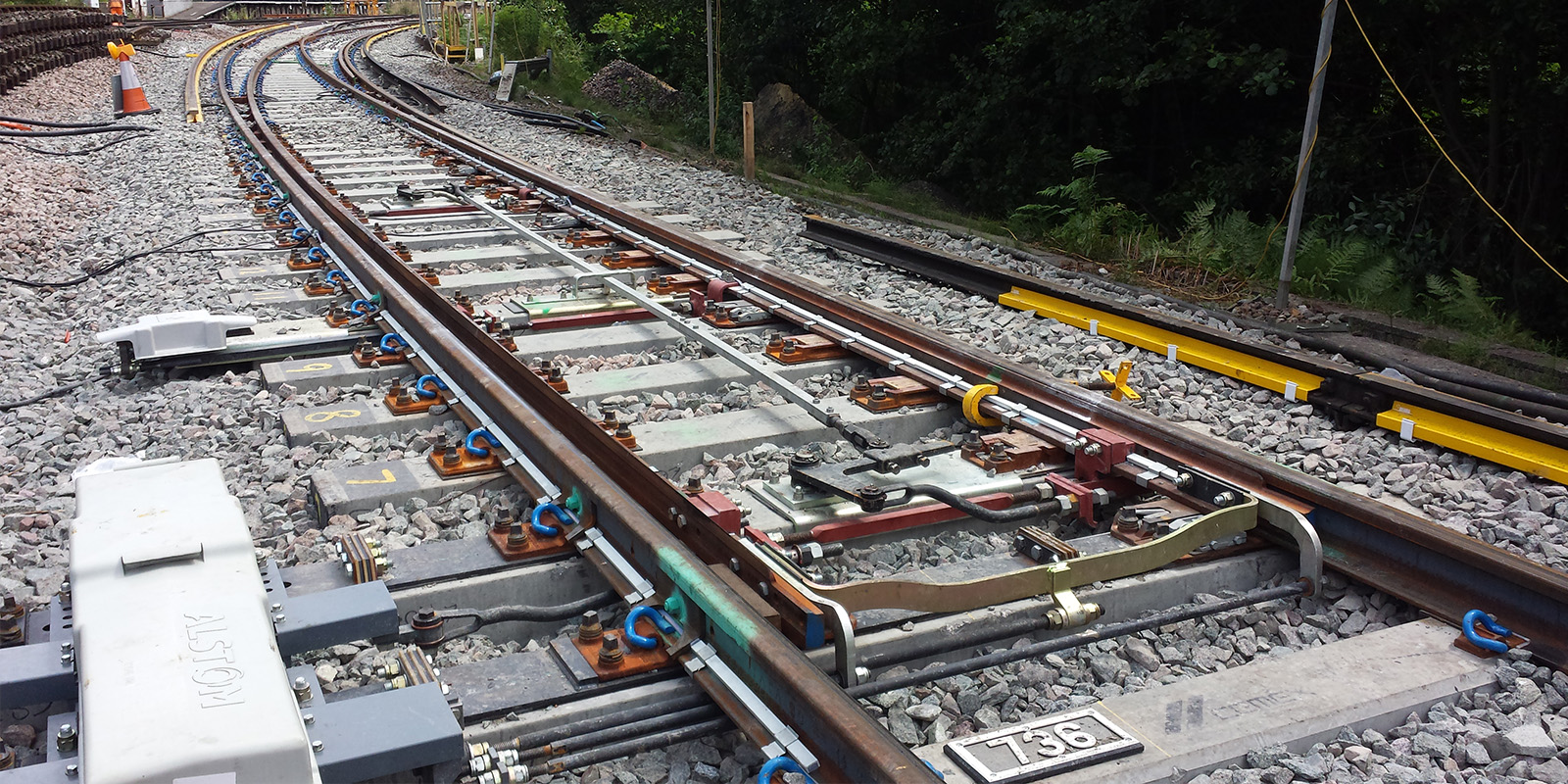
The most visible impacts of extreme heat are currently concentrated in the transport and energy sectors. Rail networks across the UK, France, and Germany have faced operational disruptions due to tracks buckling under high temperatures. When steel rails reach temperatures significantly higher than the ambient air, they expand, leading to speed restrictions or total line closures to ensure safety, as noted by Network Rail.

Energy systems are similarly tested. As demand for air conditioning surges, power grids experience peak load stress. Concurrently, the efficiency of traditional thermal power plants—including nuclear and coal-fired facilities—declines as the water used for cooling becomes too warm or scarce, according to the International Energy Agency (IEA). This creates a dual pressure: a supply-side constraint during a period of record-high demand.
Urban Resilience and the “Cooling Gap”
European cities, many of which feature historic, high-density architecture, are experiencing the “urban heat island” effect, where concrete and asphalt trap heat, keeping urban centers significantly warmer than surrounding rural areas. The European Climate Adaptation Platform (Climate-ADAPT) reports that this phenomenon exacerbates health risks for vulnerable populations, as buildings often lack the passive cooling or structural insulation required to mitigate heat penetration.
Municipalities are now exploring “nature-based solutions” to reduce urban temperatures. These include the expansion of green spaces, the use of reflective materials on roofs and pavements, and the integration of water features designed to lower ambient temperatures. However, the transition from traditional urban planning to climate-resilient design remains a slow, capital-intensive process that requires coordination across national and local government levels.
Policy Shifts and Future Adaptation
The European Union has identified infrastructure resilience as a priority within its broader EU Strategy on Adaptation to Climate Change. The strategy emphasizes the need to “climate-proof” new projects by mandating stress tests against projected future weather patterns rather than historical data. This approach marks a shift from reactive maintenance to proactive, risk-based planning.

Financial analysts indicate that the cost of inaction may far exceed the cost of adaptation. According to the World Bank, investing in resilient infrastructure can yield significant economic benefits by preventing service interruptions and reducing the need for costly emergency repairs. However, securing the necessary funding for large-scale retrofitting remains a challenge for many member states facing competing budgetary pressures.
Next Steps for Infrastructure Planning
The immediate focus for European policymakers involves the upcoming review of national climate adaptation plans, which are required under the European Climate Law. These reviews will assess the progress of infrastructure upgrades and identify remaining gaps in technical capacity. Readers interested in regional updates can monitor the European Environment Agency’s official portal for forthcoming reports on heat-related infrastructure performance.
As the continent navigates these environmental shifts, the focus remains on balancing the preservation of historic infrastructure with the urgent requirement for modern, climate-resilient upgrades. We welcome your thoughts on how your local community is adapting to these changing conditions—please share your insights in the comments section below.
Worth a look