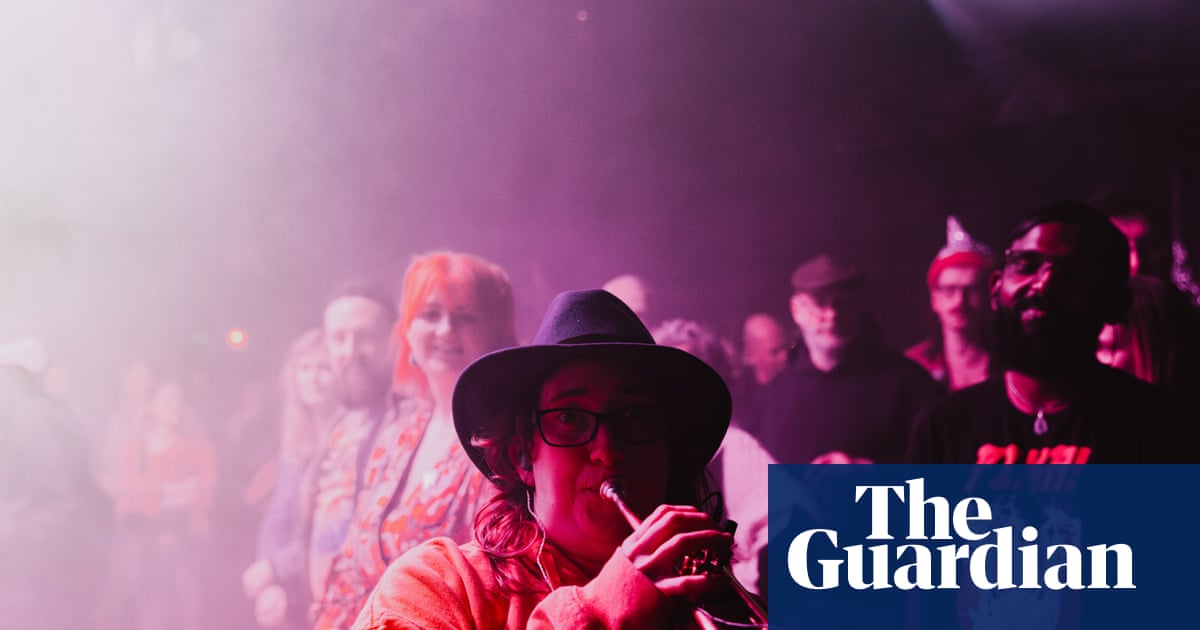
For many music lovers, the nightclub experience is defined by high-decibel sound and immersive light shows. However, for individuals with sensory processing differences or physical disabilities, these environments have historically presented significant barriers. A growing movement is now challenging that status quo, proving that the club scene can be both high-energy and radically inclusive. At the heart of this shift is a focus on accessibility, transforming venues into spaces where, as the mantra goes, “everyone is equal in this space.”
The conversation around neurodivergent-friendly nightlife has gained momentum as venues and event organizers recognize the need for physical and sensory accommodations. By integrating features such as quiet zones, modified lighting, and tactile technology, these spaces aim to ensure that the joy of live music is accessible to all, regardless of an attendee’s sensory or physical requirements. This evolution in event planning reflects a broader societal push toward universal design in public entertainment venues.
Redefining the Nightlife Experience
The pursuit of accessible nightlife often starts with identifying the common hurdles that prevent neurodivergent individuals or those with physical disabilities from participating in club culture. According to advocacy groups like Attitude is Everything, which works to connect disabled people with music and live events, small adjustments can make a profound difference in a guest’s ability to engage with a performance. These adjustments range from the provision of accessible viewing platforms to the implementation of sensory-friendly policies that mitigate the impact of strobe lighting or overwhelming noise levels.
The concept of a “neurodivergent-friendly club night” often centers on creating a space where attendees can self-regulate. This might include the creation of “chill-out” rooms—quiet spaces away from the main dancefloor—or the use of ear defenders. Such measures are not merely about compliance with disability legislation, such as the Equality Act 2010 in the UK, but are fundamentally about ensuring that the cultural experience is equitable. When venues prioritize these needs, they foster an environment where the music remains the focus, rather than the obstacles to hearing it.
Technological Innovations in Sensory Accessibility
One of the most exciting developments in the sector is the integration of haptic technology to enhance the concert experience for the hearing impaired. Some modern venues have begun installing sensory dancefloors that convert low-frequency sound waves into tactile vibrations. This allows attendees to “feel” the bass and rhythm of the music through the floor, providing a physical connection to the performance that transcends traditional auditory input.
Beyond the floor, architectural considerations are playing a pivotal role. The use of mezzanine levels or elevated viewing areas can provide a vantage point that is removed from the direct intensity of stage lights, helping to prevent sensory overload or the triggering of migraines. As reported by various arts organizations, these subtle, thoughtful design choices allow patrons to remain engaged with the atmosphere while maintaining a sense of personal safety and physical comfort.
Building a Community of Inclusion
The success of these initiatives relies heavily on the collaboration between event promoters, venue managers, and the communities they serve. Creating a “radically inclusive” event requires an ongoing dialogue with neurodivergent performers and attendees to understand what works and what needs improvement. This participatory approach ensures that accessibility features are not just performative, but functional and responsive to real-world needs.
For many, the goal is to move past the idea that accessibility is a “special requirement” and instead view it as a standard feature of high-quality event production. As more venues adopt these inclusive practices, the hope is that the stigma surrounding disability in nightlife will continue to dissipate, replaced by a culture that celebrates diversity on the dancefloor.
Practical Steps for Accessible Event Planning
For organizers and venue owners looking to improve their accessibility, experts often point to a few foundational pillars:
- Consultation: Engaging with disability-led organizations to conduct accessibility audits of current spaces.
- Communication: Providing clear, detailed information on venue layouts, lighting intensity, and available support services on websites well in advance of an event.
- Staff Training: Ensuring that all staff members are trained in disability awareness and are prepared to assist patrons in a respectful and effective manner.
- Sensory Management: Offering quiet spaces and providing options for those who may need to step away from high-stimulation areas.
As the industry looks toward the future, the integration of these practices is expected to become an increasingly standard expectation rather than an exception. By centering the needs of the neurodivergent community, the nightlife sector is not only expanding its reach but also enriching the quality of its events for everyone involved.
The next major industry discussions regarding accessibility standards are expected to take place during upcoming arts and venue management conferences later this year. We encourage our readers to share their own experiences with inclusive nightlife in the comments section below or join the conversation on our social media channels.
Keep reading