Mary Todd Lincoln and the Double Standard of Mental Illness: How Gender Shaped History’s Judgment
May 13, 2026
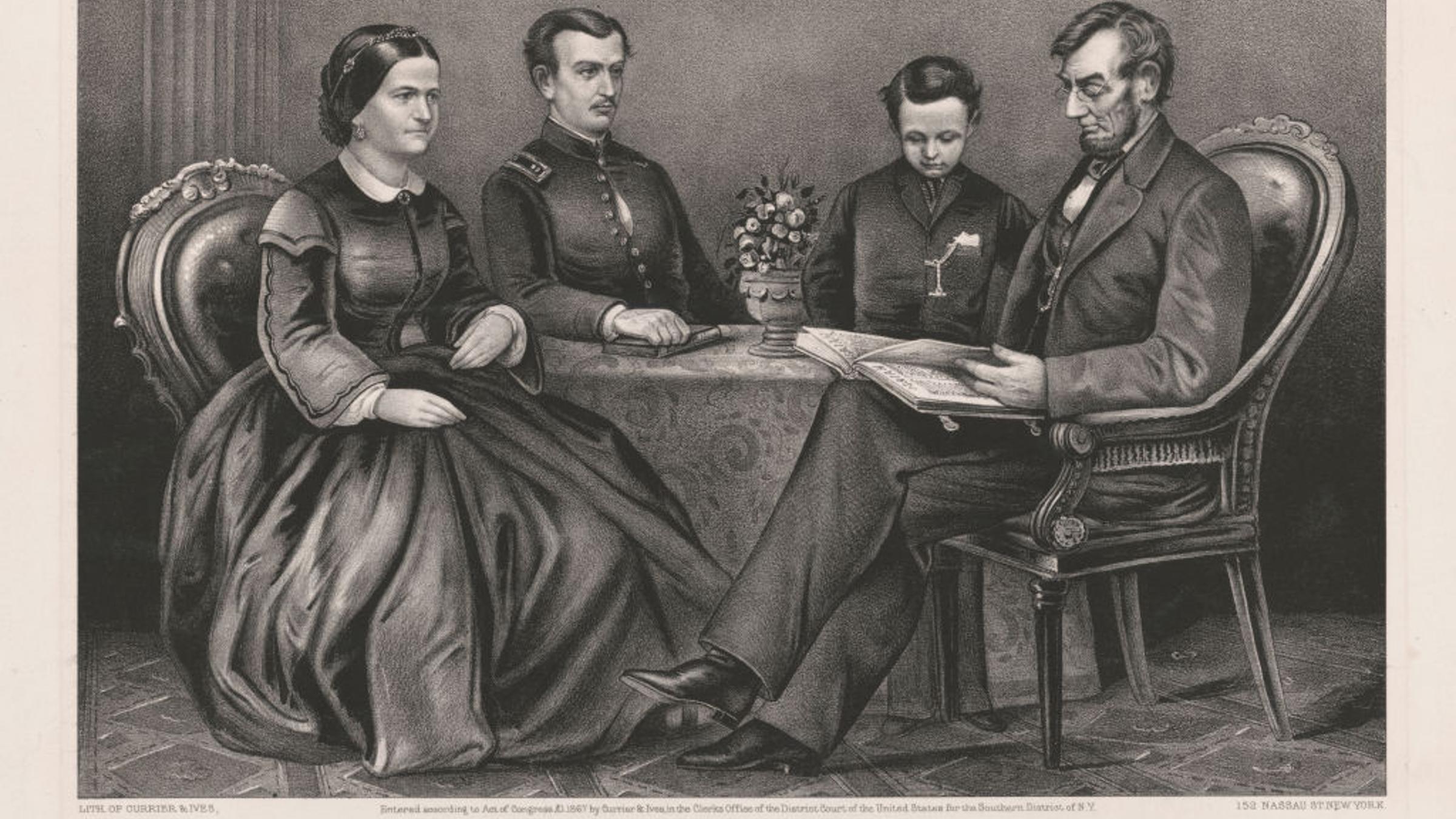
The story of Mary Todd Lincoln’s institutionalization in 1875 is one of the most striking examples of how gender has shaped perceptions of mental illness throughout history. While Abraham Lincoln’s well-documented depression was framed as a mark of his moral depth, his wife’s emotional struggles were dismissed as hysteria—a character flaw that erased her legacy as a politically astute partner and effective First Lady. This double standard wasn’t an anomaly; it was systemic, reflecting broader societal attitudes that persist even today.
Historical records confirm that both Lincolns grappled with mental health challenges, yet their experiences were treated fundamentally differently. Abraham Lincoln’s melancholy was celebrated by historians as evidence of his empathy and leadership qualities, while Mary’s grief and anxiety were pathologized as evidence of her instability. The contrast reveals how power, gender, and public perception collide to determine who receives compassion—and who is silenced.
This article examines the verified historical record of Mary Todd Lincoln’s treatment, the legal mechanisms that enabled her institutionalization, and how modern psychiatry would interpret her experiences today. It also explores why these patterns persist in contemporary mental health care, where women remain more likely to be diagnosed with depression while men avoid seeking help altogether.
How Gender Shaped the Lincolns’ Very Different Legacies
When Abraham Lincoln suffered from severe depression in the 1840s and 1850s, his friends and colleagues understood it as a temporary response to external pressures. Historical accounts note that he routinely ingested “blue pills” containing mercury—a dangerous self-medication practice that today would be recognized as a red flag for severe mental distress. Yet even when his behavior became so erratic that friends feared for his safety, Lincoln was never stigmatized. Instead, his melancholy was later framed by historians as a source of his moral authority.
Pulitzer Prize-winning biographer David Herbert Donald argued that Lincoln’s depression deepened his compassion, while presidential historian Doris Kearns Goodwin wrote that his “extraordinary empathy” stemmed from his struggles. Scholar Allen C. Guelzo even suggested his depression was integral to his leadership style.
By contrast, Mary Todd Lincoln’s emotional struggles were met with judgment rather than understanding. She lost three children—one in the White House—and endured the trauma of her husband’s assassination in 1865. Yet her grief was framed as “hysteria,” a diagnosis that carried no medical weight but served to discredit her. When she exhibited signs of post-traumatic stress—such as shopping excessively and seeking comfort in spiritualism—her son, Robert Todd Lincoln, initiated an incompetency trial in 1875. An all-male jury, relying on testimony from doctors handpicked by Robert, declared her “insane” within 10 minutes and committed her to an asylum.
The irony? Robert himself suffered a “nervous breakdown” around the same age and was never institutionalized. This disparity highlights how gender and power dynamics determine who is labeled “sick” and who is given the benefit of the doubt.
The Legal Mechanism: How an Incompetency Trial Erased Mary Lincoln’s Legacy
Mary Todd Lincoln’s institutionalization in 1875 was not an isolated incident but part of a broader pattern of using legal mechanisms to silence women exhibiting “unladylike” behavior. The trial itself was a sham: seven physicians—only one of whom had treated her—pronounced her insane based on testimony from hotel staff prepped by Robert’s lawyers. The all-male jury required no deliberation before declaring her a “fit person to be institutionalized.”
Modern medical professionals now suspect Mary was experiencing post-traumatic stress disorder (PTSD), a condition not recognized in the 19th century. The assassination of her husband in front of her, combined with the loss of three children, would have been traumatic triggers. Yet her symptoms—shopping binges, spiritualist consultations—were dismissed as eccentricities rather than signs of distress.
Mary was resourceful enough to escape Bellevue Place within four months, but the damage was done. Her legacy as a politically savvy advisor to Lincoln and an effective First Lady was erased. Instead, she is remembered as a burden—a narrative that persists in biographies and historical accounts.
From “Hysteria” to Evidence-Based Care: How Psychiatry Caught Up
The American Psychiatric Association didn’t remove “hysteria” as a diagnosis for women until 1980—a full century after Mary Lincoln’s institutionalization. Even then, women were excluded from mental health research until the 1990s. The Diagnostic and Statistical Manual of Mental Disorders (DSM) only included postpartum depression as a recognized condition in 1994, decades after women were expected to suppress such symptoms.
Today, if Mary Lincoln were evaluated, her symptoms would likely be broken down into treatable conditions: PTSD, depression, and possibly anxiety. She would be offered therapy, mood stabilizers, and compassionate care—not judgment. The shift from moral judgment to evidence-based treatment has been slow but undeniable. Yet double standards persist: a 2024 study found that older women are far more likely to be diagnosed with depression than men, suggesting that men still avoid help for fear of appearing weak.
Why This History Matters Today
Mary Todd Lincoln’s story is more than a historical footnote—it’s a case study in how gender shapes mental health care. The patterns she endured persist in modern medicine:
- Women’s symptoms are more likely to be dismissed as emotional rather than medical.
- Men avoid treatment due to stigma around vulnerability.
- Legal and medical systems still reflect bias, even when unintentionally.
For example, women are twice as likely as men to be diagnosed with depression, yet men are less likely to seek treatment. The result? A healthcare system that fails both genders—one by overpathologizing, the other by underdiagnosing.
Mary Lincoln’s institutionalization was a product of her era, but the principles at play—gender bias, legal abuse, and medical misdiagnosis—remain relevant. Her story challenges us to ask: How would history remember her if she had been treated with the same empathy as her husband?
Key Takeaways
- Double standards persist: Men’s mental health struggles are often framed as strength, while women’s are pathologized.
- Legal abuse was systemic: Mary Lincoln’s incompetency trial was a tool to silence women, not a legitimate medical assessment.
- Modern psychiatry has progressed—but not enough: Women are still overdiagnosed with depression, while men avoid care entirely.
- Legacy matters: Mary Lincoln’s political contributions were erased because her grief was judged as weakness.
What Happens Next?
While no official hearings or legal actions are pending regarding Mary Todd Lincoln’s case, ongoing research in gender and mental health continues to uncover historical injustices. Organizations like the National Alliance on Mental Illness (NAMI) are advocating for better training in bias recognition for medical professionals. Meanwhile, historians are reexamining cases like Mary’s to correct historical records and challenge outdated narratives.
:max_bytes(150000):strip_icc()/history-gender-wage-gap-america-5074898_V2-0c4dcacc18c544e0b2e4a8dfc5cc85cd.png "How Gender Shaped History: Key Takeaways")
For readers interested in further exploration:
- Read Mary Lincoln’s preserved letters at the Library of Congress.
- Explore official First Lady archives for her political contributions.
- Follow APA updates on gender bias in mental health diagnostics.
What do you think? Should Mary Todd Lincoln’s legacy be reconsidered in light of modern mental health understanding? Share your thoughts in the comments below.