
Gene Roddenberry, the creator of Star Trek, significantly altered the narrative trajectory of the franchise’s most enduring villain, the Romulans, by overseeing their evolution from cold-war antagonists into a more nuanced political force during the early seasons of Star Trek: The Next Generation. Before his death in 1991, Roddenberry was instrumental in shifting the series away from the black-and-white morality of the 1960s, allowing for the return of iconic species that challenged the Federation’s values. According to official production records maintained by Star Trek’s archive, this creative pivot was intended to mirror contemporary geopolitical shifts, ensuring that the threats faced by the crew of the USS Enterprise-D felt as complex as the real-world tensions of the late 1980s.
The Romulan Star Empire, first introduced in the 1966 The Original Series episode “Balance of Terror,” served as a direct allegory for the Cold War. However, as The Next Generation developed, Roddenberry and his writing team moved to flesh out the species beyond their status as simple “bad guys.” By the time of the Season 1 finale, “The Neutral Zone,” the Romulans were reintroduced not merely as combatants, but as a civilization returning to the galactic stage after decades of isolation. This decision, documented in episode production logs, marked a departure from the more aggressive, one-dimensional depictions found in earlier iterations, providing a foundation for the political intrigue that would define the franchise for decades.
The Evolution of Romulan Narrative Depth
The decision to bring back the Romulans was not just a nostalgic callback but a deliberate effort to expand the Star Trek universe. Roddenberry’s vision for the show prioritized diplomacy and exploration, and the Romulans provided the perfect foil for these themes. Unlike the Klingons, who were transitioning into allies during the early years of the show, the Romulans remained an enigmatic, adversarial presence that required the crew to navigate complex treaties and non-aggression zones. This shift in tone allowed for stories that focused on espionage, cultural pride, and the dangers of isolationism.
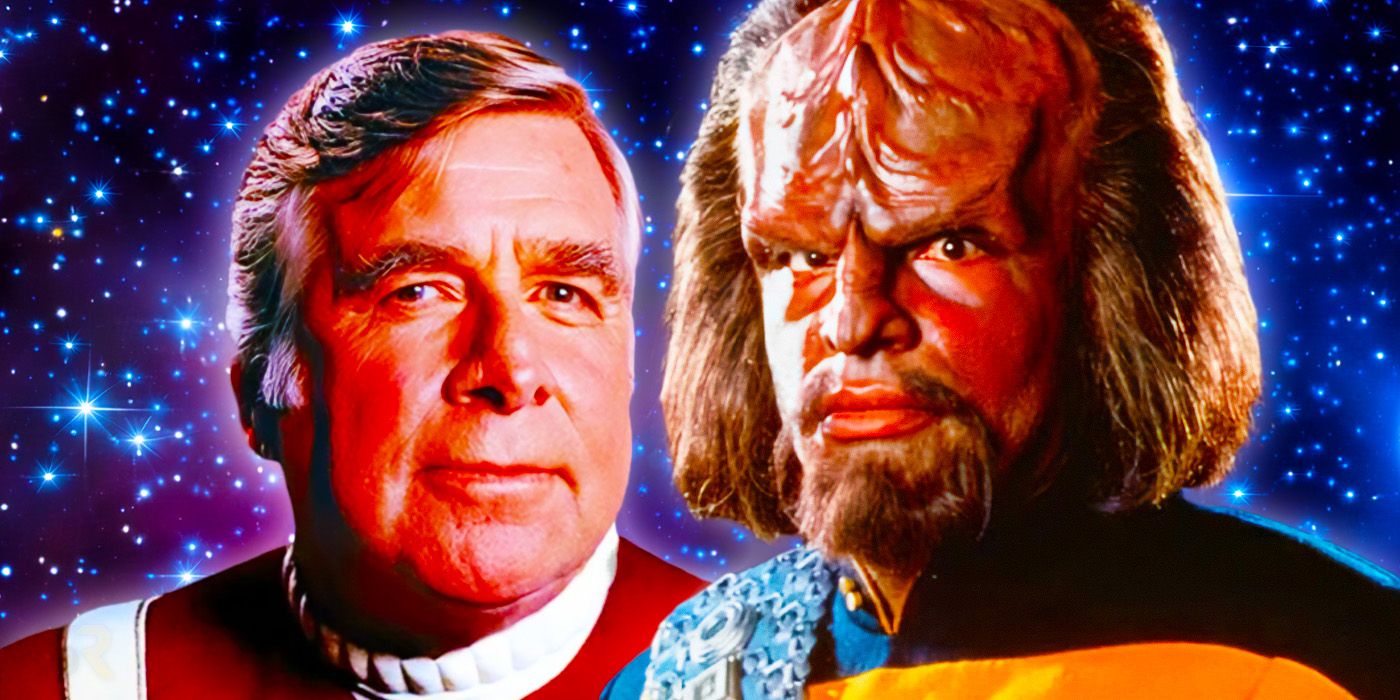
In the transition from the 1960s to the late 1980s, the writing staff, under Roddenberry’s guidance, moved away from the “monster of the week” format. As noted in archival coverage of the series’ development, the intent was to create a universe where even the most dangerous adversaries possessed a coherent, if conflicting, logic. By humanizing the Romulans—giving them a history, a sense of honor, and a strategic depth—the writers ensured that the conflict felt grounded in political reality rather than mere villainy.
Geopolitical Allegory and the Roddenberry Philosophy
Gene Roddenberry often used the Star Trek platform to comment on human nature and global politics. By the time of his passing on October 24, 1991, at the age of 70, the series had established a precedent for using alien cultures to explore the complexities of human diplomacy, as reported by the New York Times in his official obituary. The Romulans were central to this, serving as a reminder that peace is a fragile state requiring constant maintenance, a core tenet of the Roddenberry philosophy.
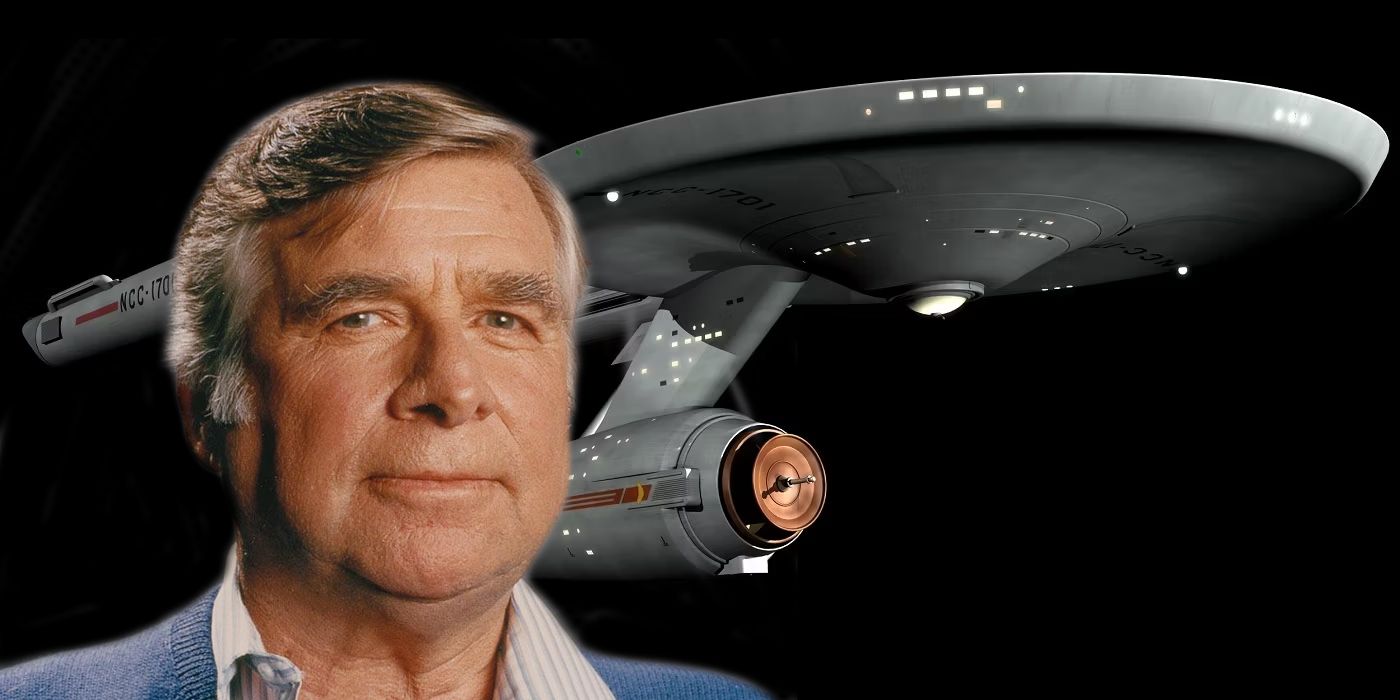
The redemption of the Romulan narrative arc was not about making them “good,” but about making them understood. This nuance allowed future showrunners and writers to build upon the foundation laid during the final years of Roddenberry’s life. The Romulan Star Empire transitioned from being a faceless threat to a complex entity with internal power struggles, effectively changing how fans perceived the “villains” of the franchise. This storytelling choice remains a hallmark of the Star Trek legacy, illustrating the creator’s insistence that even the most formidable enemies should be treated with intellectual depth.
The Legacy of Complex Adversaries
The impact of this shift is still visible in the modern iteration of the franchise, including series like Star Trek: Picard and Star Trek: Discovery, which continue to explore the aftermath of the Romulan-Federation relationship. By moving away from the binary of “hero versus villain,” Roddenberry helped ensure the longevity of the series. The complexity of the Romulans allowed for a wider range of stories, from the political maneuvering in the Senate to the personal lives of individual Romulan officers.
As the franchise continues to evolve, the influence of those early decisions remains clear. The Romulans are no longer just an obstacle to be overcome; they are a mirror held up to the Federation, reflecting its own values and failures. This legacy of nuance is perhaps the most lasting contribution Roddenberry made to the series, proving that the most compelling stories are often found in the gray areas between peace and war.
Fans and historians interested in the development of these storylines can find extensive documentation in the Memory Alpha database, which catalogs the production history of the entire franchise. Future updates regarding the expansion of the Romulan lore are expected to be announced through official channels at the annual San Diego Comic-Con and other major industry events. We encourage readers to share their thoughts on the evolution of Star Trek’s most iconic villains in the comments section below.
Keep reading