
Inflation has re-emerged as a primary concern for the global economy, significantly influencing the cost of living and the decision-making processes of central banks. In the United States, the annual inflation rate reached 3.8% for the 12-month period ending in April, a rise from the 3.3% rate recorded previously, according to the U.S. Inflation Calculator. This upward trend, mirrored across many nations in the Organization for Economic Co-operation and Development (OECD), has fundamentally altered the financial landscape for households and businesses alike.
The persistence of these rising prices, which have reached levels unseen in the last four decades, continues to impact essential areas of daily life, including credit availability, real estate markets, and the affordability of travel, as noted by the OECD. For consumers and investors, understanding the mechanics of these shifts is essential to managing personal and business finances in an environment where the purchasing power of currency remains volatile.
The Impact of Inflation on Household Wealth
Inflation does not affect all segments of the population equally. Economic research highlights a distinct distributional consequence, where fluctuations in monetary policy and asset prices create clear winners and losers. According to John Grigsby, a Visiting Fellow at the Stanford Institute for Economic Policy Research (SIEPR), interest rate adjustments serve as a critical lever; when rates are cut, the stock market and housing prices tend to rise, benefiting households that hold these assets while placing additional pressure on those who do not, as detailed in his policy brief.
This dynamic creates a complex environment for economic planning. Grigsby, who also serves as an assistant professor at Princeton University, emphasizes that empirical macroeconomics reveals how wage dynamics and mortgage market functions are deeply intertwined with inflationary pressures. For the average household, this means that the rising cost of living is often compounded by shifts in the value of their primary assets or liabilities, such as home equity or interest-bearing debt.
Why Central Banks Remain on High Alert
The role of central banks in mitigating these inflationary pressures remains the focal point of global economic policy. Because inflation impacts everything from energy and grocery prices to health care and education costs, policymakers are forced to balance the need for price stability with the goal of maintaining economic growth. Data from the U.S. Inflation Calculator illustrates the breadth of this issue, showing that inflation is not confined to a single sector but permeates historical data points from gasoline and food to college tuition and airfare.
For individuals, this means that the “cost of living” is not a singular figure but a composite of various essential goods and services. As central banks monitor these indices, their decisions regarding interest rates—which are intended to cool or stimulate the economy—directly influence the cost of borrowing for mortgages and personal loans. When inflation remains elevated, the likelihood of sustained higher interest rates increases, changing the long-term outlook for consumers looking to purchase homes or manage existing debt.
Navigating the Current Economic Landscape
As of June 2026, the global economy continues to adjust to the realities of a higher-inflation environment. The OECD indicates that the rapid increase in the cost of living has become a primary challenge for policymakers, requiring precise intervention to protect the most vulnerable households. Understanding whether inflation is driven by supply-side constraints or demand-side pressures is the first step in assessing how long these elevated price levels might persist.
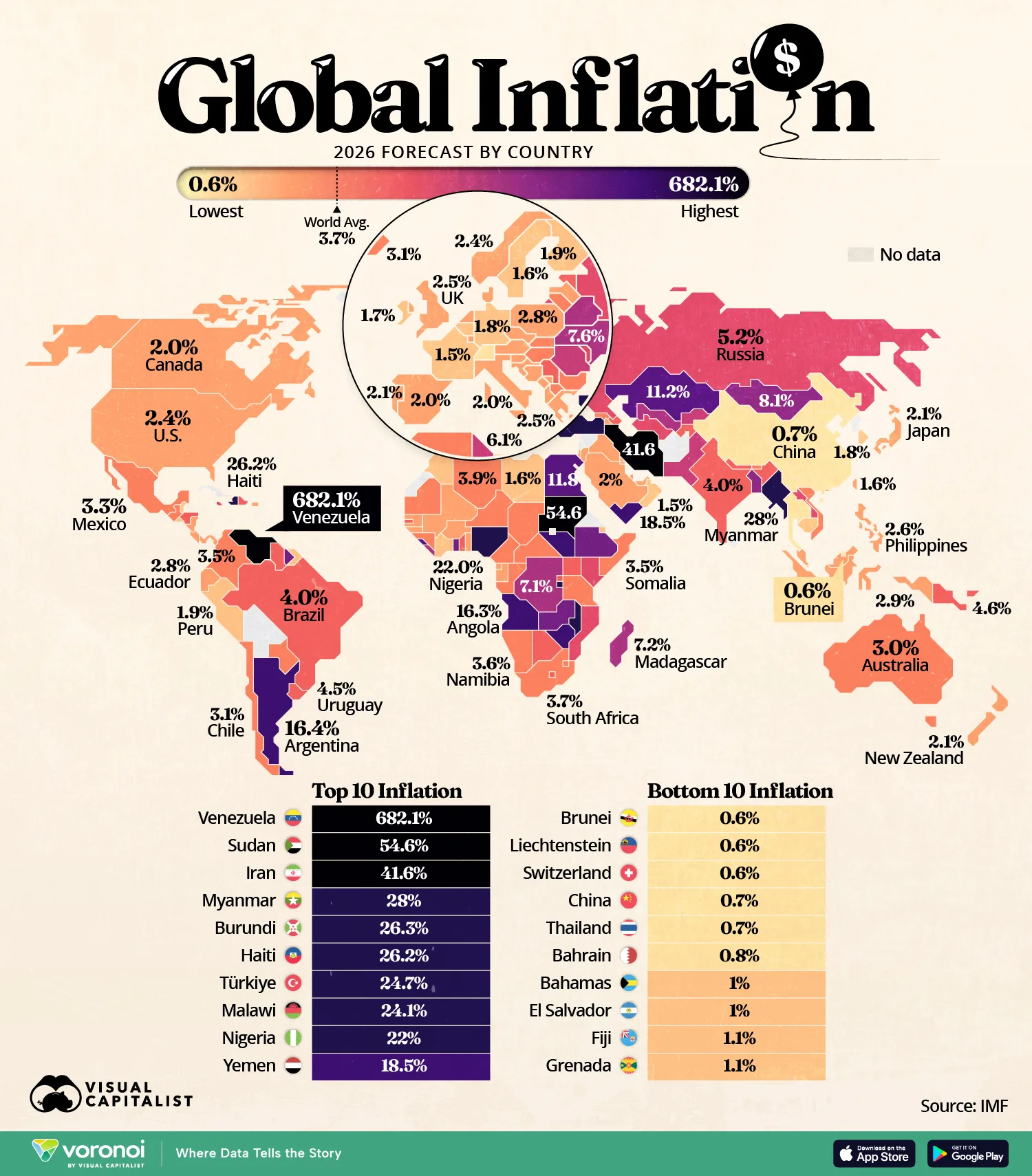
For readers monitoring these changes, the most critical indicators remain the Consumer Price Index (CPI) releases and central bank policy statements. These documents provide the official data regarding the direction of the economy. While the current inflationary climate presents significant hurdles, staying informed through official CPI data and academic research can help individuals and business leaders make more informed decisions about their financial future.
The next major update regarding U.S. consumer price data is scheduled according to the official release calendar maintained by the U.S. Inflation Calculator. We will continue to track these developments and provide updates as new economic data becomes available. Please share your thoughts or questions in the comments section below to join the conversation on how these global economic shifts are affecting your local community.
Related reading