
For investors navigating the complexities of modern financial markets, the relationship between interest rates and bond valuations remains a primary concern. When central banks adjust benchmark rates, the resulting volatility can leave fixed-income portfolios exposed to significant price swings. However, a fundamental concept known as duration matching provides a structured approach to managing this risk, offering a way for investors to potentially neutralize the impact of shifting interest-rate environments.
At its core, the strategy relies on the mathematical relationship between a bond’s time to maturity and its price sensitivity. According to the U.S. Securities and Exchange Commission (SEC), duration is a measure of how much a bond’s price is expected to change in response to a change in interest rates. By aligning the duration of a bond portfolio with an investor’s specific time horizon, one can theoretically offset the losses caused by rising rates with the increased reinvestment income generated over that same period.
Understanding the Mechanics of Duration
Interest-rate risk is often misunderstood by retail investors who view bonds purely as static income vehicles. In reality, when prevailing market interest rates rise, the market value of existing bonds with lower coupon rates typically declines. This occurs because newer bonds are issued at higher rates, making older, lower-yielding securities less attractive to buyers. This inverse relationship is the primary driver of volatility in bond funds and individual holdings alike.
The “formula” for neutralizing this risk involves matching the duration of the holdings to the length of time the investor intends to hold the asset. If an investor holds a bond with a duration of five years, they are essentially locking in a timeline where the price sensitivity to interest rate fluctuations is balanced against the duration of the investment. As noted by the Federal Reserve, monetary policy adjustments—such as changes to the federal funds rate—directly influence these market dynamics, making duration management a critical component of institutional and individual portfolio construction.
Strategic Application for Individual Portfolios
Implementing a duration-neutral strategy requires a disciplined assessment of one’s investment goals. For those with a long-term outlook, holding bonds with durations that match their anticipated liquidity needs can help mitigate the “mark-to-market” losses that occur during periods of tightening monetary policy. This approach does not eliminate risk entirely, but it provides a framework to weather cycles of volatility without the need for reactive selling.
Investors should also consider the distinction between Macaulay duration and modified duration. While Macaulay duration measures the weighted average time until the cash flows from a bond are received, modified duration—often cited by the Financial Industry Regulatory Authority (FINRA)—provides a more direct estimate of price sensitivity to a 1% change in interest rates. Understanding these metrics allows investors to assess whether their current holdings align with their risk tolerance and interest-rate expectations.
Key Considerations for Fixed-Income Allocation
- Risk Tolerance: Determine if your portfolio can withstand short-term price fluctuations inherent in longer-duration assets.
- Yield Curve Analysis: Monitor the shape of the yield curve, as it provides information about market expectations for future interest rates.
- Portfolio Rebalancing: Periodically adjust the duration of your bond holdings to ensure they remain aligned with your evolving investment horizon.
The Role of Market Expectations
It is important to remember that bond markets often “price in” anticipated changes to interest rates before they are officially enacted by central banks. The strategy of neutralizing rate hikes is most effective when investors have a clear understanding of both their own time horizons and the broader macroeconomic environment. Relying on a single formula without considering the wider context of inflation, economic growth, and central bank communications can be counterproductive.
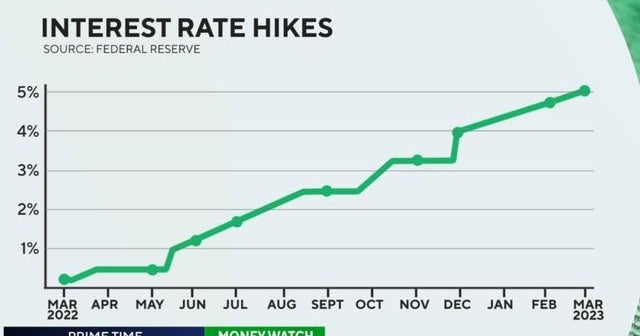
As we look toward the remainder of 2026, market participants continue to monitor official statements from regulatory bodies for indications of future policy shifts. For those seeking the most current data on interest rate trends and their implications for bond markets, the U.S. Department of the Treasury maintains daily records of yield curve data, which serves as a vital resource for tracking real-time market sentiment.
The strategy of matching duration to investment horizon remains a cornerstone of prudent financial management. By focusing on the math behind the bond market rather than speculative trading, investors can better protect their capital against the inevitable ebbs and flows of global interest rates. As always, consulting with a certified financial advisor before making significant changes to your asset allocation is strongly recommended to ensure that any strategy aligns with your specific financial circumstances.
As the financial landscape continues to evolve, we will keep you updated on further market developments and expert analysis. We invite our readers to share their thoughts and experiences with fixed-income strategies in the comments section below.
Keep reading