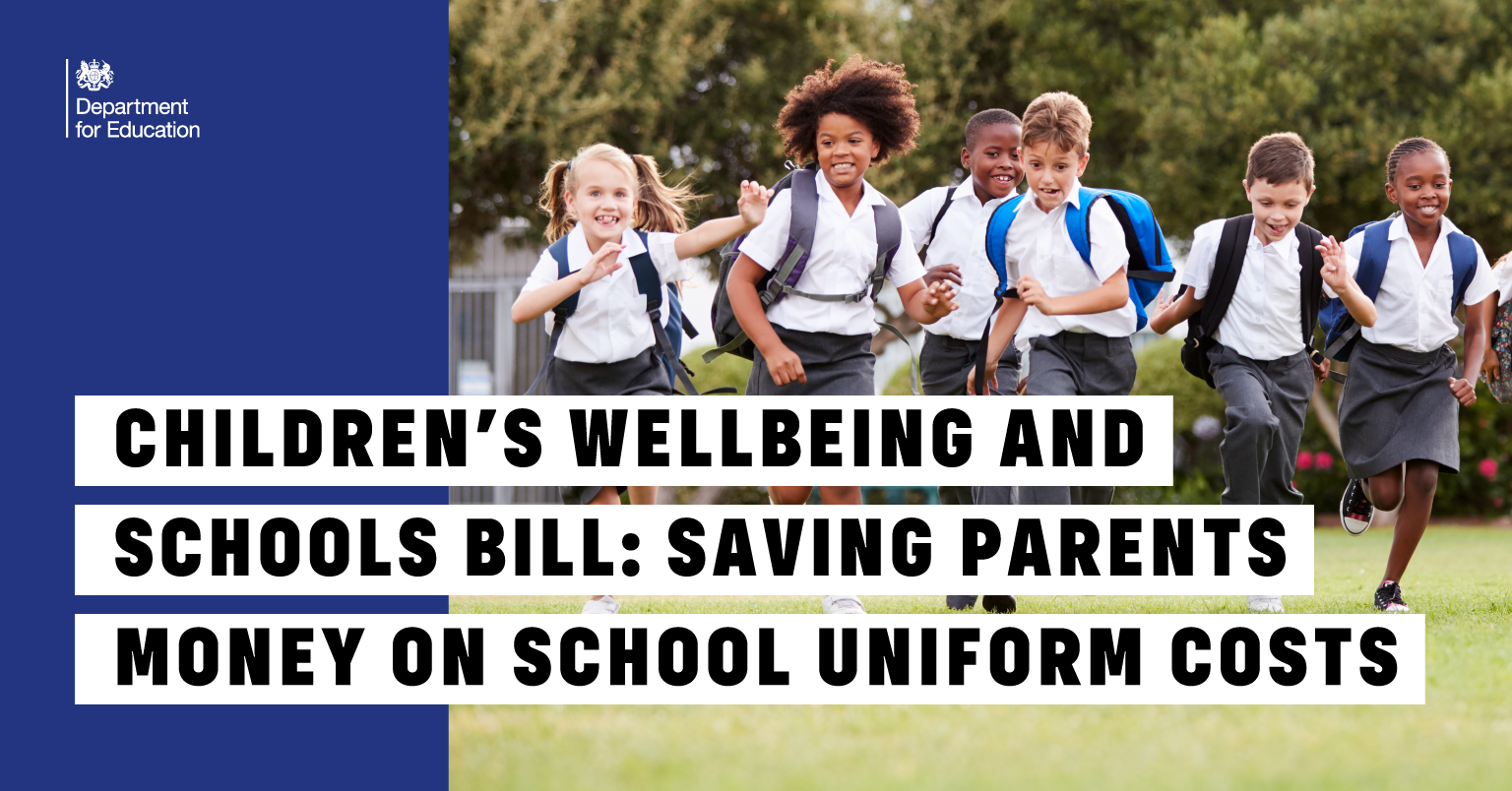
New rules in England limit school uniforms to three branded items, aiming to reduce costs for families. The Children’s Wellbeing and Schools Bill, effective September 2026, bans schools from requiring more than three branded items, with potential savings of up to £19 per secondary pupil.
The UK government has introduced new regulations to ease the financial burden of school uniforms, capping the number of branded items schools can require. The changes, part of the Children’s Wellbeing and Schools Bill, will take effect from September 2026, limiting primary schools to three branded items and allowing secondary schools to require a fourth if it is a tie. This move aims to address growing concerns about the affordability of school uniforms, with parents reporting financial strain over costs.
New Rules Limit Branded Uniform Items
Under the new guidelines, schools must review their uniform policies by the start of the 2026 school year. The Department for Education emphasized that branded clothing should be limited to low-cost, durable items, with an emphasis on allowing generic alternatives. For example, schools can require plain-colored jumpers or trousers instead of branded ones, enabling parents to purchase from supermarkets or high street retailers. The policy also encourages the use of sew-on badges instead of expensive embroidered garments.
The Department for Education stated that school uniforms can promote identity and reduce peer pressure, but only if families can afford them. No parent should have to worry about the cost of school uniform when choosing a school, and no child should miss lessons, PE or extracurricular activities because uniform requirements are too expensive.
Potential Savings for Parents
Parents could see significant savings under the new rules. Currently, 24% of primary and 70% of secondary schools require five or more branded items, with some asking for 10 or more. By reducing the number of required branded items, families may save an average of £14 per primary pupil and £19 per secondary pupil, according to the Education Hub blog. These savings stem from increased flexibility in purchasing options, including second-hand uniforms and generic alternatives.
Janice Thompson, an administrative coordinator at Norwich’s Human Services, said, Families are already struggling with rising costs. This change will give them more choices and reduce the pressure to buy expensive branded items.
Focus on Affordability and Access
The government emphasized that the new rules aim to ensure no family is priced out of choosing their preferred school. By September 2027, schools must assess the total cost of uniforms, ensuring no item is unnecessarily expensive. The guidance specifically notes that items like blazers and jumpers, which are traditionally costly, should be reviewed for affordability. Schools are also encouraged to make second-hand uniforms available discreetly, with information published on their websites.
The government stated that affordability should never stop families choosing the school they want or taking part in school life.
Implementation and Next Steps
The reforms will be rolled out gradually, with schools required to update their policies by September 2026. The Department for Education has stated that the changes are part of a broader effort to reduce the cost of the school day and tackle child poverty. Free breakfast clubs, another component of the Children’s Wellbeing and Schools Bill, will be available in all state-funded primary schools by 2026.

The Department for Education added that these measures reflect a commitment to making education more accessible and equitable, and that they will continue to monitor their impact and adjust as needed.