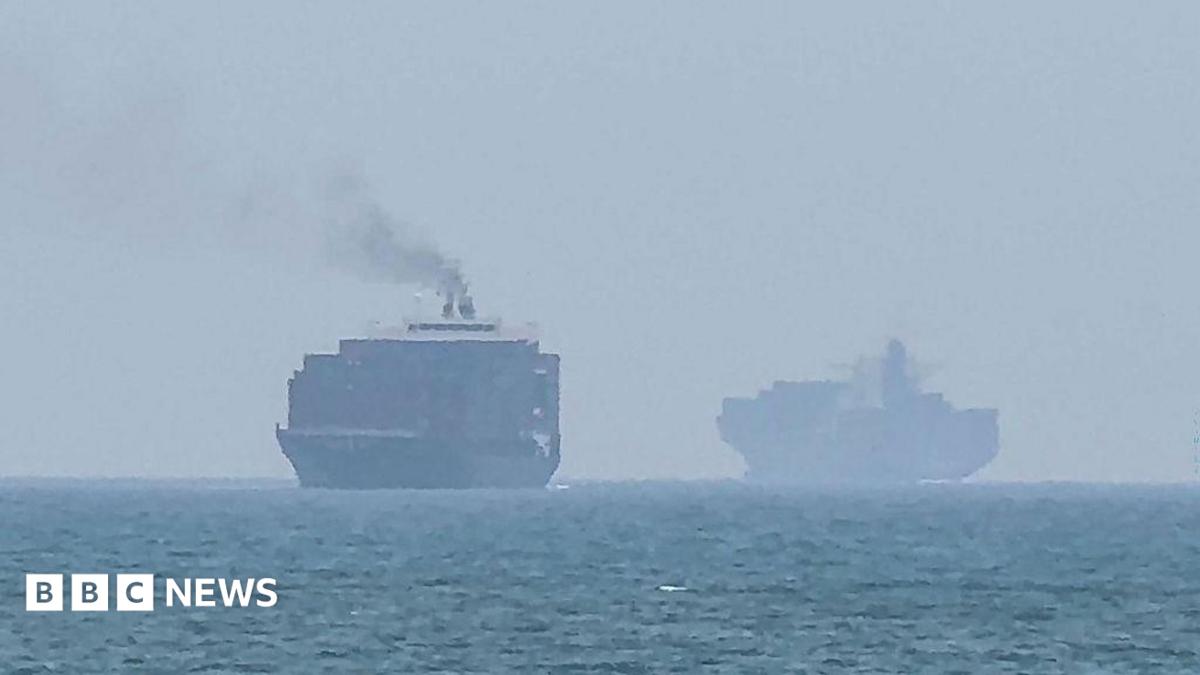
Negotiations between Iran and Oman regarding the establishment of a new shipping route through the Strait of Hormuz have reached a positive stage, according to statements from both nations. While these discussions are seen as a critical component in broader efforts to stabilize the waterway, Iranian officials have cautioned that any agreement on a new route would not, by itself, result in the immediate reopening of the strait to normal commercial traffic.
The Strait of Hormuz, a vital energy export corridor, has been heavily impacted by ongoing hostilities since U.S. and Israeli operations in the region began on February 28, 2026, according to Reuters. According to reporting by Reuters, the current blockade and the resulting disruption to global oil and gas shipments have necessitated urgent diplomatic intervention. While a U.S. official indicated on August 7, 2026, that Washington anticipates an agreement to resume normal traffic soon, Iranian leadership maintains that broader conditions must be met to secure a full resolution.
Status of Maritime Negotiations
Iranian Foreign Minister Abbas Araqchi confirmed that discussions with Oman are currently focused on designing a temporary shipping route. Araqchi stated that the previous traffic separation scheme is no longer acceptable to Tehran, necessitating a new framework while technical and legal complexities are addressed. The Omani Foreign Ministry described the ongoing dialogue as “positive and constructive,” emphasizing the importance of protecting the progress made during these talks to accommodate the interests of all stakeholders, as reported by Reuters.
Despite this progress, Iranian authorities have linked the reopening of the strait to a wider set of demands. Mohammad Baqer Zolqadr, secretary of Iran’s top national security body, outlined a list of requirements that includes an end to U.S. threats, the cessation of military aggression against Iran and its regional allies—including groups in Lebanon, Palestine, Yemen, and Iraq—and the lifting of international sanctions and blockade measures currently affecting Iranian ports.
Impact on Commercial Shipping and Security
The volatility in the Strait of Hormuz continues to affect global maritime security. On August 8, 2026, the United Arab Emirates reported that a missile strike hit a carrier affiliated with its state oil company while the vessel was transiting the strait. This incident follows reports from the United Kingdom Maritime Trade Operations (UKMTO), which noted that a vessel caught fire after being struck by an unknown projectile; the fire was subsequently extinguished, and no environmental damage was reported, according to Reuters.
U.S. Central Command reported that since the inception of the current blockade, it has facilitated the passage of more than 30 ships for humanitarian aid purposes. During the same period, U.S. forces have reportedly turned away 53 vessels, boarded two ships, and disabled two others, as detailed in reports corroborated by Reuters.
Diplomatic and Strategic Context
The urgency of these negotiations is underscored by the economic stakes. Before the current conflict, the Strait of Hormuz served as the transit point for approximately one-fifth of the world’s oil and gas shipments. Iranian President Masoud Pezeshkian recently characterized this period as a time of national cohesion, asserting that Iran remains in a position of strength despite the ongoing war.
While the Trump administration has signaled in recent weeks that a deal to restore shipping might be near, these statements have frequently been met with skepticism or denials from Tehran. The U.S. official cited by Reuters stated that once a deal is formally announced to restore commercial shipping, the United States would be prepared to lift the blockade on Iranian ports, provided that Iran fulfills its commitments. As of August 8, 2026, the path to a permanent resolution remains contingent upon the successful alignment of these complex security, legal, and economic demands.
The situation remains fluid, and stakeholders are awaiting further updates on the technical implementation of the proposed temporary shipping route. Please share your thoughts or continue to monitor official maritime advisories for updates on transit conditions in the region.
Keep reading
- Ko Wen-je Slams Govt Over Tzu Chi Vaccine Scam; Professor Shen Rong-chin Hits Back: “Others Fought Pandemic, You Committed Corruption
- Montpellier Sport Podcast: MHSC vs. Dijon Match Debrief
- Iran Demands US Concessions to Reopen Strait of Hormus, Boosting Oil Prices (archynewsy.com)
- Iran Nears Oman Deal on Strait But Reopening Stalls (time.news)