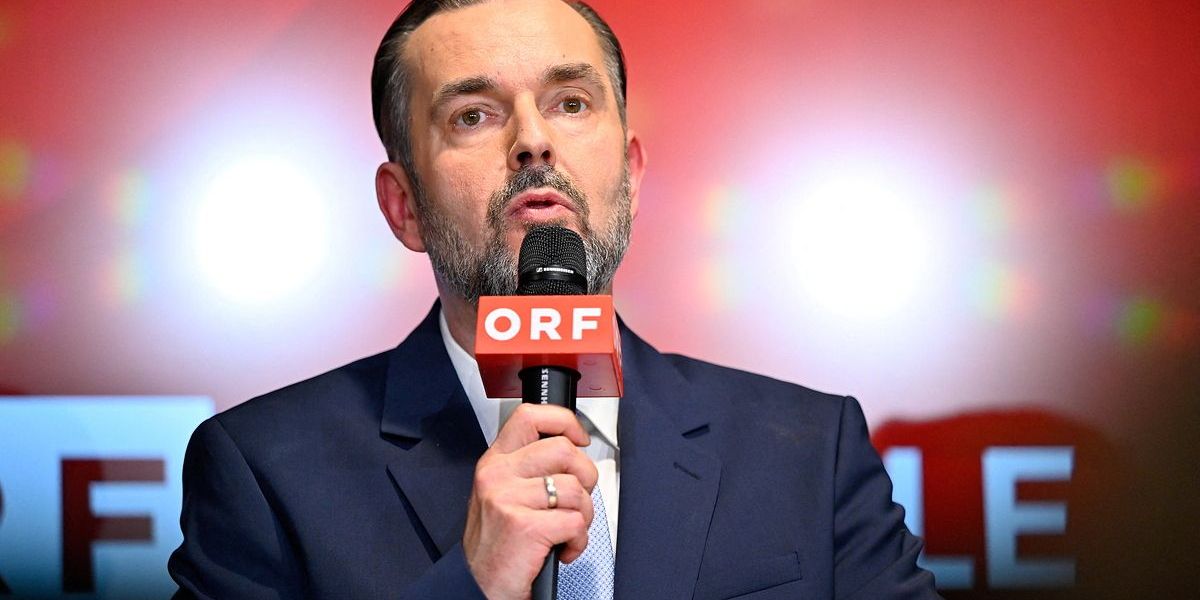
Dr. Clemens Pig, the newly appointed Director General of the Austrian Broadcasting Corporation (ORF), has initiated a significant structural overhaul by seeking to appoint 13 new directors to his leadership team. This leadership transition follows his formal election by the ORF Foundation Council, which confirmed his appointment to lead the public broadcaster through a period of increasing digital competition and shifting media consumption habits, according to official ORF corporate communications.
The appointment process for these 13 positions is central to Pig’s stated objective of modernizing the organization. The ORF, which operates under the mandate of the Austrian ORF Act, must balance its role as a primary source of public information with the financial and technological pressures facing traditional media outlets across Europe. Pig has emphasized the necessity of recruiting individuals who can navigate these complexities while maintaining the broadcaster’s core standards of editorial integrity and public service.
Strategic Restructuring and Leadership Requirements
The search for these directors serves as a cornerstone for Pig’s broader strategy to combat what some analysts describe as a “crisis of relevance” for traditional public service media in the digital age. By seeking 13 “trustworthy” directors, the administration aims to stabilize the internal hierarchy and ensure that each department—from digital innovation to traditional broadcast news—is aligned with the long-term goals established by the Foundation Council. The selection process is strictly governed by the internal statutes of the ORF, which dictate the criteria for senior executive roles to ensure political and administrative impartiality, as detailed in the ORF corporate governance guidelines.
Observers of the Austrian media landscape note that the definition of “trustworthy” in this context refers to a blend of technical expertise in digital transformation and a commitment to the journalistic independence required by the broadcaster’s charter. The challenge for the new leadership team is to integrate legacy broadcast operations with modern streaming and on-demand platforms without alienating the core audience. This transition is not merely administrative; it represents a fundamental pivot in how the ORF allocates its resources in response to the evolving media consumption patterns documented by independent Austrian media research institutes.
Addressing Institutional Challenges
The ORF’s current financial and operational framework is heavily influenced by the transition from traditional license fees to the new household-based contribution model, which came into effect in 2024. This change, mandated by the ORF-Beitrags-Gesetz 2024, provides the financial stability necessary for the corporation to plan long-term digital investments. However, it also places increased pressure on the administration to demonstrate efficiency and transparency to the public.
Pig’s focus on the new directorate is intended to address these expectations directly. By filling these 13 seats with appointees who possess both managerial acumen and a clear vision for public media, the administration aims to secure the ORF’s institutional standing. The selection process remains a point of intense scrutiny, as the appointment of senior management within the ORF is historically subject to oversight by the Foundation Council, which acts as the supervisory body for the broadcaster’s operations.
The Path Forward for the Broadcaster
The next phase of this transition involves the formal vetting and confirmation of the candidates for these 13 positions. According to the standard procedures for senior appointments at the ORF, the candidates will undergo a rigorous review process before their roles are finalized. This ensures that the leadership team is not only qualified but also capable of adhering to the stringent public service requirements outlined in the broadcaster’s official mission statement.
The public can monitor the progress of these appointments and other administrative updates through the official ORF Zukunft website, which serves as the primary portal for corporate governance news. As the organization moves forward, the success of this restructuring will likely be measured by the broadcaster’s ability to maintain its audience share while successfully pivoting to a digital-first distribution model. Further updates regarding the leadership team’s composition are expected to be released following the next scheduled meeting of the Foundation Council.
We invite readers to share their perspectives on the future of public broadcasting in the comments section below. For those interested in the ongoing developments at the ORF, bookmark this page for future updates as more information becomes available through official channels.