
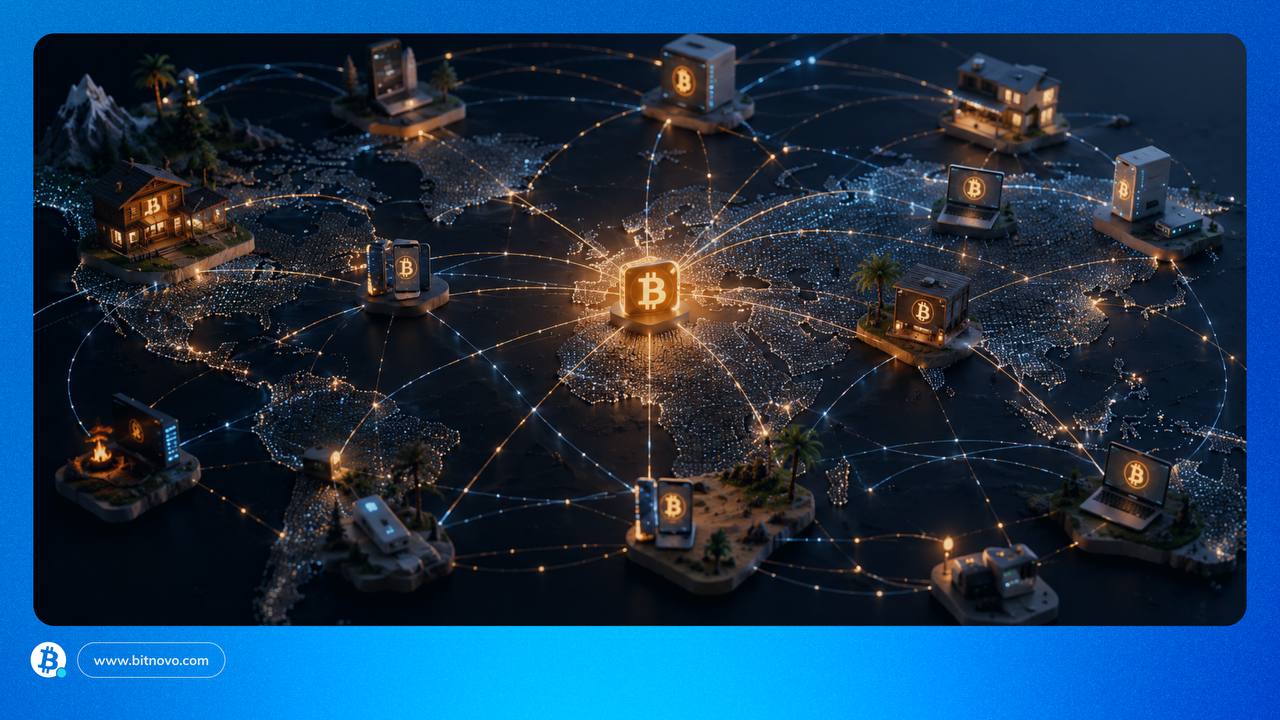
At the heart of the modern digital economy lies a foundational shift in how value is recorded and transferred. While terms like Bitcoin, decentralized finance (DeFi), and Web3 often dominate financial headlines, the underlying engine driving these innovations is peer-to-peer (P2P) technology. This decentralized architecture, which eliminates the need for central intermediaries such as banks or clearinghouses, has fundamentally altered the landscape of global finance since the introduction of Bitcoin in 2009. Understanding this shift requires looking beyond the speculative nature of digital assets to the mechanics of distributed ledger technology.
As a business journalist who has tracked economic policy and market evolution for nearly two decades, I have seen how the transition from centralized, institution-led systems to peer-to-peer networks challenges traditional financial models. By removing the “middleman,” P2P systems aim to provide a transparent, immutable record of transactions that is accessible to anyone with a network connection. This evolution is not merely a technological upgrade but a structural change in how we define and exchange value in the 21st century.
The Mechanics of Decentralized Ledgers
The core of most cryptocurrencies is a technology known as the blockchain, which serves as a decentralized, public ledger. Unlike a traditional bank database, which is controlled by a single entity and kept private, a blockchain operates across a vast network of computers, often referred to as nodes. Each participant in this network holds a copy of the ledger, ensuring that every transaction is independently verified and recorded. This distributed nature is what provides the system with its inherent transparency and trust, as no single authority has the power to unilaterally alter the records.
The security of these peer-to-peer systems is maintained through advanced cryptography. When a user initiates a transaction, the network uses mathematical consensus mechanisms to confirm the validity of the transfer. Because the system does not rely on a central authority, it can operate 24 hours a day, bypassing the operational hours and geographical limitations of traditional financial institutions. As noted by the Library of Congress, this protocol allows individuals to transfer value directly to one another, effectively creating a peer-to-peer electronic cash system.
Why Peer-to-Peer Matters for Global Markets
The significance of peer-to-peer technology extends far beyond simple digital payments. In the context of the global financial industry, the move toward decentralized systems is often viewed as a response to the vulnerabilities exposed during the 2008 financial crisis. By decentralizing the ledger, developers created a system that is resilient to the failure of any single node or institution. This shift is increasingly relevant as financial executives explore how blockchain can be integrated into broader institutional frameworks, including the development of stablecoins and other digital assets designed to bridge the gap between traditional finance and decentralized applications, according to reports in the Financial Executives Journal.

The implications for the average user and institutional investor alike are profound:
- Transparency: Public ledgers allow any participant to audit transactions in real-time.
- Efficiency: Direct peer-to-peer transfers can reduce the time and costs associated with cross-border settlements.
- Security: The use of public and private keys ensures that only the rightful owner of an asset can authorize its transfer, providing a high level of virtual security.
The Evolution of Digital Assets
Since the launch of Bitcoin in 2009, the ecosystem has expanded to include thousands of alternative cryptocurrencies and tokens. These digital assets are categorized by their specific functions, ranging from mediums of exchange to crypto commodities. The rise of stablecoins—cryptocurrencies pegged to stable assets like the U.S. Dollar—represents a significant step in the integration of these technologies into the broader financial system. These developments are not occurring in a vacuum; they are part of a continuous effort to create more inclusive and efficient financial services.
However, the transition to a decentralized model is not without its challenges. Issues regarding regulatory compliance, energy consumption, and the scalability of blockchain networks remain at the forefront of discussions among policymakers and industry leaders. As the technology matures, the focus has shifted toward creating sustainable frameworks that protect consumers while fostering innovation. For those interested in the future of the digital economy, staying informed on these developments is essential.
Future Outlook and Institutional Adoption
Looking ahead, the integration of blockchain technology into traditional banking and finance is expected to continue. The trend toward bridging the gap between traditional finance (TradFi) and decentralized finance (DeFi) is a defining theme for the coming year. As institutions increase their investment in blockchain infrastructure, the focus will likely remain on enhancing security, regulatory clarity, and user accessibility.
For readers looking to stay ahead of these trends, the next major milestones will likely revolve around legislative updates and institutional pilot programs for digital currency integration. We encourage our readers to monitor official regulatory announcements and industry filings for the most accurate updates on how these peer-to-peer technologies are being integrated into the global market. Your insights and questions on this evolving topic are welcome—please feel free to share your thoughts in the comments section below as we continue to cover the intersection of finance and technology.