
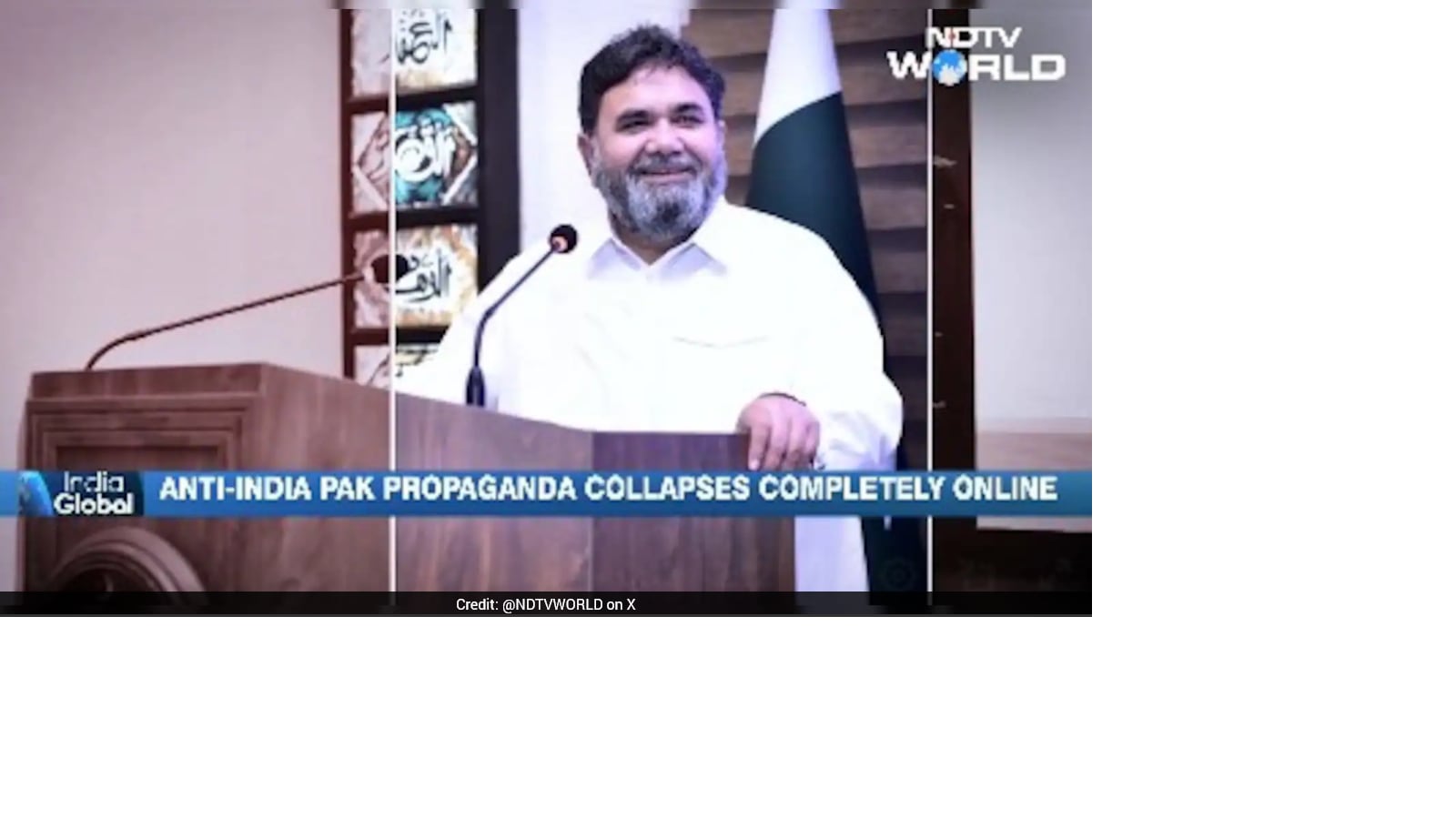
In the complex theater of international diplomacy, rhetoric often serves as a barometer for regional stability. Recently, a speech delivered by a Pakistani senator has drawn significant international scrutiny, sparking outrage and raising questions about the boundaries of political discourse on foreign soil. The address, which has been widely discussed across social media platforms, has prompted a robust reaction from observers concerned with the implications for Indo-Pakistani relations.
As the Editor of the World section here at World Today Journal, I have spent over 14 years analyzing how political rhetoric can influence cross-border tensions. In this instance, the core of the controversy centers on remarks that critics argue cross the threshold from policy disagreement into inflammatory hostility. The incident highlights the ongoing sensitivity surrounding the geopolitical landscape of South Asia, where historical grievances frequently intersect with modern diplomatic engagements.
The Context of the Controversy
The speech in question, which has been associated with the term “Maarka-e-Haq” in various online discussions, occurred during an event that drew attention for its sharp tone. While political figures often utilize high-stakes language to galvanize their domestic bases, the delivery of such messages in international venues—particularly when they target specific nations—tends to invite broader diplomatic consequences. The reaction to this specific address reflects a growing concern among global observers regarding the potential for such language to undermine fragile peace processes.
For those following the nuances of South Asian geopolitics, this event is not an isolated incident but rather a continuation of a long-standing pattern of verbal sparring. However, the intensity of the current backlash suggests that there is little appetite in the international community for rhetoric that could escalate regional friction. The challenge for policymakers, as always, is to navigate these tensions without allowing inflammatory statements to dictate the trajectory of state-to-state relations.
Diplomatic Ripples and Global Perspectives
The international community, particularly those engaged in monitoring human rights and regional stability, often views such speeches as a test of diplomatic maturity. When a high-ranking official uses a global platform to issue what some characterize as a direct threat, it places immense pressure on the host nation to maintain a neutral stance while upholding principles of free speech. This inherent tension is a hallmark of modern international relations, where the right to express an opinion must be balanced against the need to maintain global order.
Observers have noted that the reaction to this speech has been largely characterized by a call for more responsible engagement. In an era where digital platforms allow for the immediate amplification of political messages, the responsibility of elected officials to weigh their words has never been greater. The fallout from this event serves as a reminder that in the global village, there is no such thing as a truly localized political speech.
What Happens Next?
As of May 21, 2026, there have been no official diplomatic sanctions or formal government-to-government protests issued in direct response to the specific content of this speech, though the situation remains under observation by regional analysts. Moving forward, the focus will likely shift toward how these comments influence bilateral dialogues and whether future international forums will implement stricter guidelines regarding the content of political addresses.
For our readers, staying informed on these developments is essential to understanding the shifting tides of global influence. We will continue to monitor official statements from the relevant ministries and international observers. If you have perspectives on the role of rhetoric in modern diplomacy or wish to share your thoughts on the potential impact of this event, please join the conversation in the comments section below. Your engagement is what makes the World Today Journal a vital space for nuanced global discussion.
Stay tuned for further updates as more information becomes available through official channels.