
Hungarian Premier Péter Magyar has emerged as a central figure in the shifting political landscape of Central Europe, following a period defined by the long-standing administration of Viktor Orbán. As a former insider who turned into a vocal critic of the governing Fidesz party, Magyar’s rise to the premiership represents a significant transition in Hungarian governance. His political ascent has been characterized by a campaign focused on institutional reform, transparency, and a rejection of the policies that defined the previous sixteen years of Orbán’s leadership.
The political environment in Hungary underwent a fundamental change in the spring of 2026. Following the conclusion of the most recent national election cycle, Péter Magyar assumed the role of Prime Minister, marking the end of Viktor Orbán’s tenure. This transition has been closely monitored by international observers and European Union institutions, particularly regarding potential shifts in Hungary’s legislative trajectory and its relationship with Brussels. According to official government records and election commission reports, the transfer of power followed the formal certification of election results in May 2026, as noted by the National Election Office of Hungary.
The Path to Political Transition
Péter Magyar’s move to the forefront of Hungarian politics was not a traditional rise through the ranks of the opposition. Instead, he utilized his background as a former government official to challenge the internal mechanisms of the Fidesz administration. His platform gained momentum by tapping into public sentiment regarding systemic corruption and the concentration of media and economic power. By positioning himself as a candidate for structural change, Magyar successfully mobilized a coalition that transcended traditional party lines.
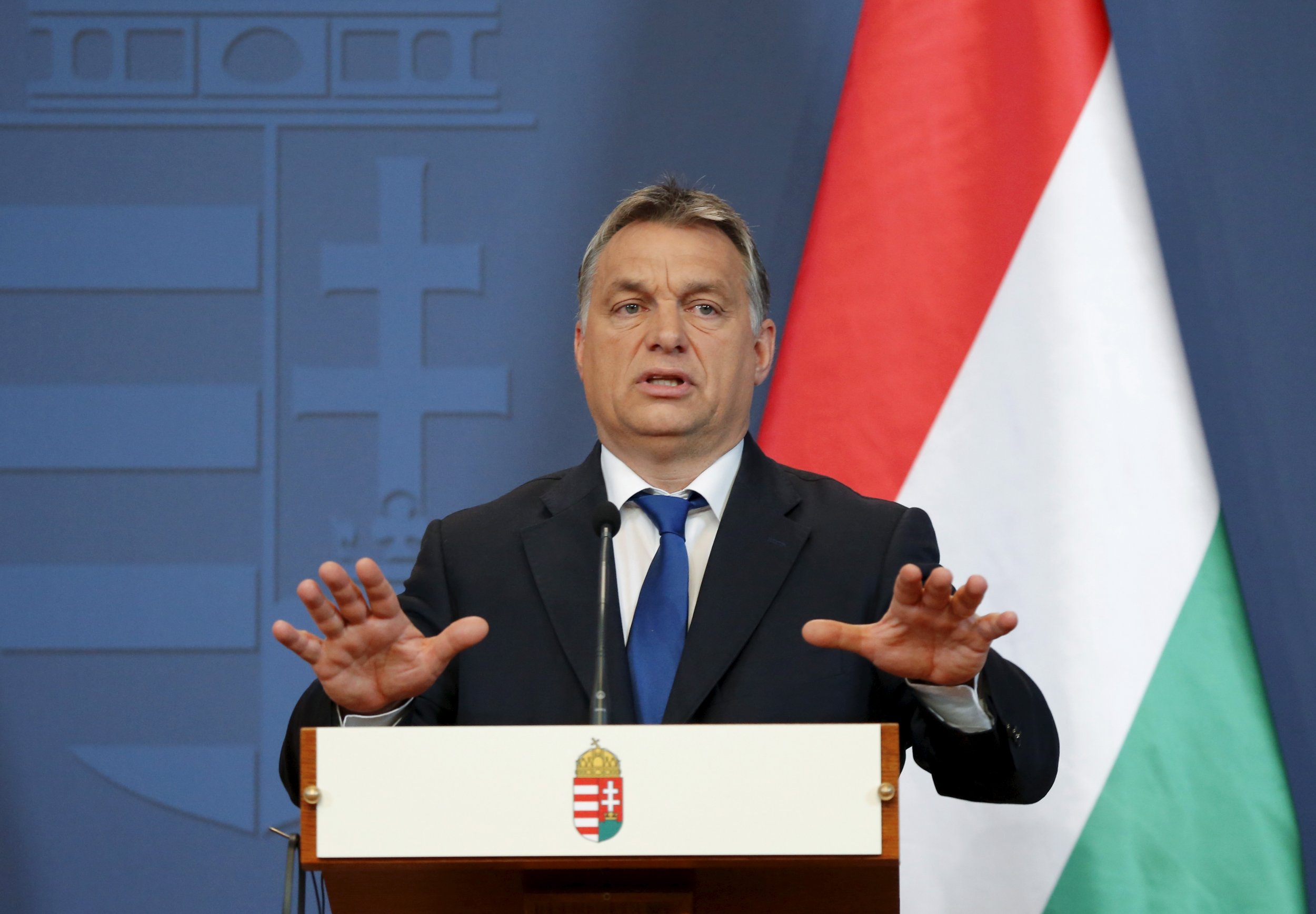
The transition of power was confirmed in early May 2026. On May 9, 2026, official channels acknowledged the conclusion of the previous administration’s grip on executive authority, a development that signaled a new chapter for the nation’s democratic institutions. This shift is consistent with data provided by the European Parliament, which has long scrutinized the state of the rule of law within Hungary. The change in leadership has raised questions about how the new government will address pending legal disputes with the European Commission concerning the release of frozen recovery funds.
Policy Priorities and Institutional Reform
Since taking office, the Magyar administration has prioritized the restoration of judicial independence and the reform of public procurement processes. These actions are seen as critical steps toward re-aligning Hungary with the standards expected by its European partners. According to the European Commission, the European Union has maintained a rigorous oversight framework for Hungary, focusing on judicial reforms and anti-corruption measures that were stalled under the previous government. Magyar has signaled his intent to expedite these reforms to unlock billions of euros in withheld EU funding.
The challenge for the new administration remains significant. Beyond the immediate legislative agenda, Magyar must manage a polarized electorate and a bureaucracy that has been shaped by sixteen years of Fidesz influence. His approach has been to emphasize transparency, often utilizing public forums and direct communication to bypass state-controlled media channels. This strategy is part of a broader effort to dismantle what critics have described as a “hostage state,” where public resources were allegedly diverted to benefit a specific political elite.
What Happens Next: The Road Ahead
The immediate focus for the Hungarian government is the upcoming legislative session in the National Assembly. Parliament is scheduled to debate a series of bills aimed at strengthening the independence of the judiciary and establishing a new anti-corruption task force. These sessions are set to begin in late June 2026, according to the official schedule published by the Hungarian National Assembly. Observers will be watching to see if Magyar can maintain his parliamentary majority to pass these essential reforms.
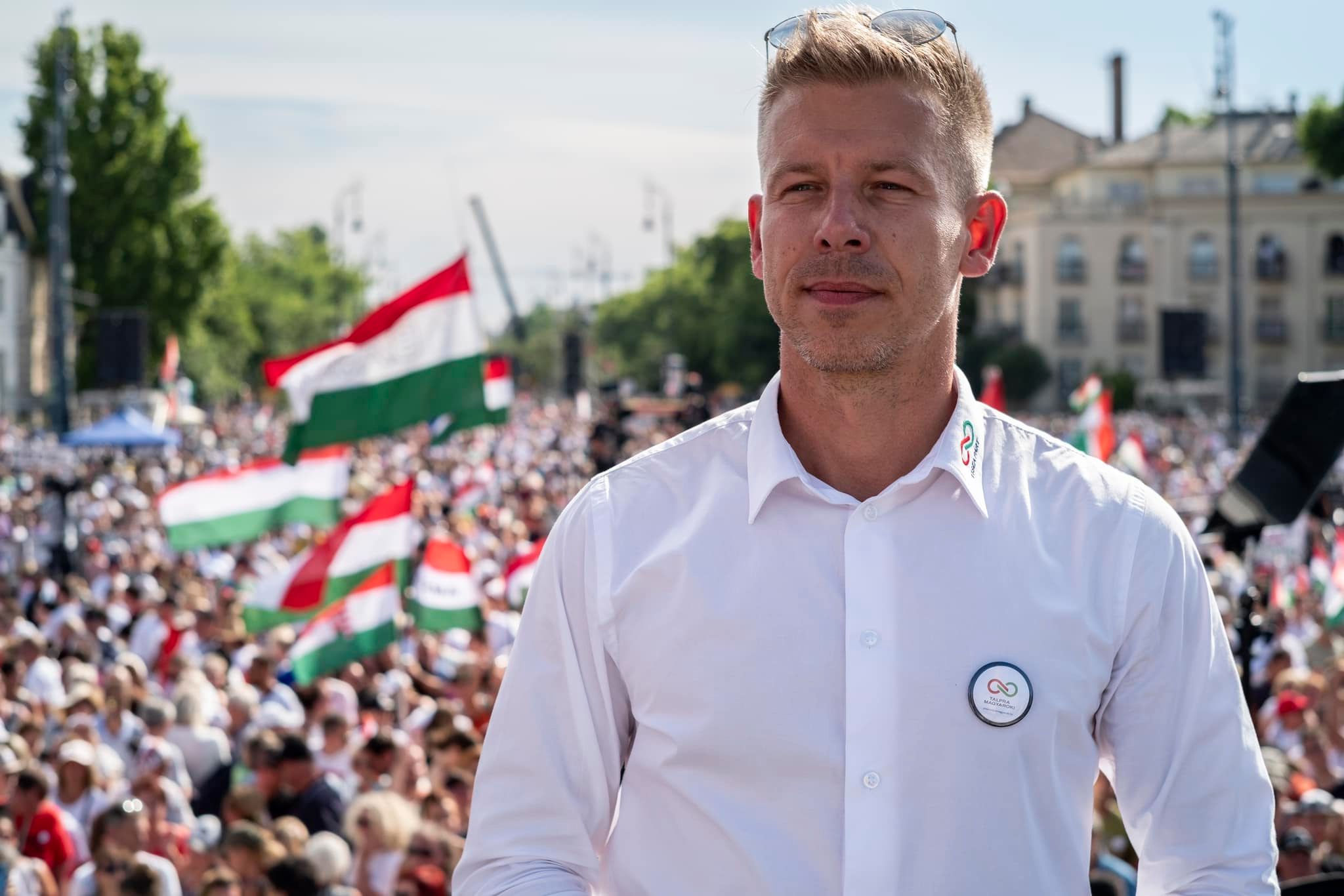
The international community, particularly the European Union, is expected to issue a formal assessment of Hungary’s progress toward meeting rule-of-law milestones by the end of the third quarter of 2026. This assessment will likely determine the timeline for the disbursement of remaining EU recovery funds. For the citizens of Hungary, the coming months will serve as a litmus test for whether the change in leadership translates into tangible improvements in the daily functioning of state institutions. We invite our readers to share their perspectives on these developments in the comments section below as we continue to track this evolving story.
Keep reading