
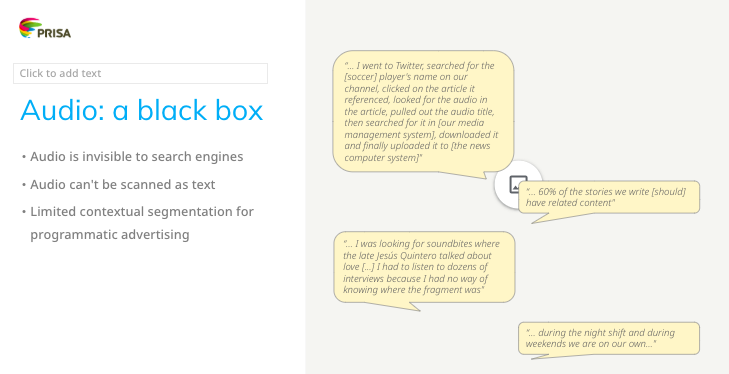
For decades, the world of professional broadcasting has treated audio as a “black box”—a rich but largely inaccessible medium that traditional search engines, optimized for text, simply could not index. For a global giant like PRISA Media, which manages an extensive portfolio of news, sports, and entertainment brands including EL PAÍS and As, this gap represented a significant loss of potential value from their vast archives.
The integration of AI transcriptions is now fundamentally changing how the media group processes and repurposes its audio content. By converting spoken word into searchable text across its diverse operations in Spain, Chile, Colombia, and Mexico, PRISA is unlocking a novel level of efficiency for its newsrooms, ranging from massive national hubs to small local teams.
According to Diego J Pruneda Paz, PRISA’s Director of Transformation, Innovation, and Voice Projects, the company is focusing its artificial intelligence strategy on three primary pillars: unlocking value from existing content catalogs, increasing operational efficiency to reduce costs, and creating a level of differentiation that sets the group apart from other media outlets and digital platforms.
This digital transformation is particularly critical for the group’s audio division, which employs more than 1,200 journalists operating radio stations that broadcast live 24/7. The scale of this operation makes manual transcription an impossible task, necessitating a systemic AI-driven approach to make audio content accessible and reusable.
Turning Audio into Searchable Assets
The core of PRISA’s innovation lies in the transition from standalone transcription tools to a centralized, AI-powered multimedia system. Previously, newsrooms relied on individual licenses and disparate solutions, which created friction across the group’s hundreds of different newsrooms. By implementing a unified system, the company has ensured that transcriptions are available everywhere, dramatically altering the daily workflow of its journalists.
Currently, all audio content is transcribed into text and fed into a system that allows journalists to search for specific keywords, extract precise quotes, and generate summaries. These summaries serve as the foundation for creating online articles or social media posts, effectively bridging the gap between a live radio broadcast and a digital text publication.
Beyond simple text conversion, the system provides transcripts as subtitles. This allows journalists to combine audio, text, and imagery to rapidly produce short-form videos, increasing the reach of a single piece of reporting across multiple platforms.
Broadening the AI Horizon: Deepfakes and Analytics
Whereas transcription is a primary driver of efficiency, PRISA’s AI implementation extends into critical areas of journalistic integrity and technical operations. To combat the rise of synthetic media, the group has developed an AI-powered fact-checking tool specifically designed for audio to identify deepfakes, ensuring the authenticity of the voices and reports they broadcast.

The group is also leveraging AI for advanced analytics and coding, as well as initiatives focused on content customization and recommendation. This allows them to tailor content more effectively to their audience, ensuring that the right stories reach the right users across their various brands.
The viability of these ambitious projects was supported by a grant from the Spanish government, specifically aimed at the adoption of AI initiatives within media companies. This funding enabled the development of a set of AI-powered processes that allow PRISA to generate, transform, search, and connect content across various formats and different content management systems (CMS).
Key Impact of AI Transcriptions on Newsroom Workflow
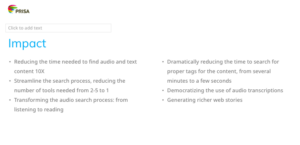
- Searchability: Audio archives are no longer “black boxes” but are fully indexable via text.
- Rapid Repurposing: Transcripts enable the quick creation of articles and social media summaries from radio broadcasts.
- Accessibility: Automated subtitles allow for the immediate creation of short-form video content.
- Scalability: A centralized system replaces the necessitate for individual licenses across hundreds of newsrooms.
As PRISA Media continues to integrate these tools, the focus remains on using technology to enhance the quality of journalism rather than replacing the human element. By removing the tedious manual labor of transcription, the group allows its 1,200+ journalists to focus on reporting and analysis while maximizing the reach of their audio storytelling.

Further updates on PRISA’s AI implementation are expected as the group continues to refine its content recommendation and deepfake detection systems.
Do you think AI transcriptions will eventually make traditional radio archives fully searchable for the general public? Share your thoughts in the comments below.
- Indonesia Ferry Fire: At Least 5 Dead and Dozens Missing After Blaze at Sea
- Wildfire in Washington Destroys Parts of Spokane
- Reflecting on Development The Vault Content and Lead Developer Insights (news-usa.today)
- Super Robot Wars Y Anniversary Expansion Pack Launches August 5 with New Content (time.news)