
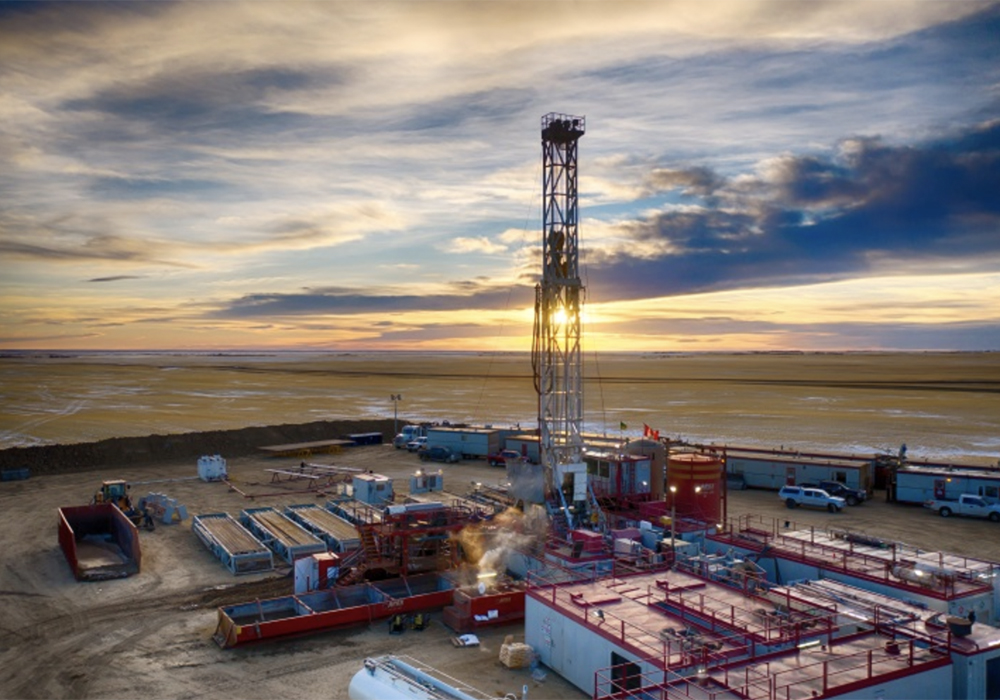
The global high-tech economy is currently grappling with a critical supply chain shock as production halts at one of the world’s most vital industrial hubs. While the world often looks to the broader Gulf region for energy stability, We see Qatar—not Saudi Arabia—that holds a strategic stranglehold on a rare gas essential for the most advanced medical equipment, semiconductor chips, and aerospace technology.
The disruption centers on the Ras Laffan Industrial City, where Qatar Energy has ceased the production of liquefied natural gas (LNG) and helium. This decision, made in early March 2026, follows Iranian attacks on the Qatari energy sector ([1]). The resulting vacuum in the market has sent ripples through global industries, leaving the United States as nearly the sole remaining supplier of this indispensable element.
Helium is far more than a novelty for balloons; it is the “great coolant” required for the stability of modern science. From the superconducting magnets in MRI machines to the precision cooling needed for microchip fabrication, the sudden loss of Qatari supply is threatening to paralyze critical healthcare and technological infrastructure worldwide.
With Qatar controlling approximately 35% of the global helium production ([1]), the impact is immediate. The market is now facing an unprecedented supply crisis, with prices surging and supply chains for medical devices and electronic components under extreme tension.
The Strategic Weight of Ras Laffan: Why the World is Vulnerable
The industrial city of Ras Laffan is the heartbeat of Qatar’s energy exports, but its most critical contribution to high-precision industry is the production of helium. The facility is home to “Helium 2,” recognized as the largest helium production plant in the world ([2]). This plant began actual production in the third quarter of 2013 and possesses a massive annual capacity of 1.3 billion cubic feet ([2]).
Because Ras Laffan alone secures one-third of the planet’s helium needs ([3]), any instability at the site creates a global domino effect. The gas is extracted as a byproduct of natural gas processing, making its availability inextricably linked to the stability of the LNG sector. When Iranian missile attacks caused fires and severe damage to the city, and subsequent navigation disruptions occurred in the Strait of Hormuz, the flow of this rare gas stopped ([2]).
The strategic vulnerability is highlighted by the current market distribution. Before the shutdown, the United States held a 55% share of global production, followed by Qatar at 35% ([2]). With Qatar’s output offline, the world has been forced into a dangerous dependency on a single supplier, as there are no ready alternatives capable of filling the deep gap left by the Qatari facilities.
Critical Industry Impacts: From Hospitals to Microchips
The repercussions of the helium shortage are not merely economic; they are operational and life-threatening. The most immediate concern is in the medical sector. Helium is the only liquid capable of cooling the giant magnets inside Magnetic Resonance Imaging (MRI) machines ([3]). Without a steady supply of helium for cryogenic cooling, these machines cannot operate, potentially leading to a paralysis of diagnostic capabilities in hospitals globally.
Beyond medicine, the tech sector is facing a looming crisis. The production of electronic chips (semiconductors) relies on extreme cooling processes to maintain precision during fabrication. The shortage is directly hitting the manufacturing of smartphones and other high-end electronics, where helium is used to ensure the stability of the production environment ([1]).
The aerospace and defense industries are similarly affected. Helium’s unique properties make it essential for rocket propulsion and the cooling of sophisticated sensors used in missile and satellite technology. The sudden disappearance of 35% of the world’s supply has created a volatile environment for these high-precision industries, where the lack of a substitute gas means there is no “Plan B” for cooling requirements.
Economic Fallout and the Road to Recovery
The financial impact on Qatar is significant. Beyond the loss of helium revenue, the shutdown has affected other critical petrochemical exports, including urea and methanol ([1]). The cessation of these activities represents a major hit to the state’s industrial output during a period of regional conflict.

Industry analysts and international bodies are now looking toward a recovery timeline, though the outlook remains cautious. Current expectations suggest that production capacity may return to normal levels within 12 to 18 months after the conclusion of the war ([1]). But, the physical damage to the Ras Laffan facilities—caused by missile strikes and subsequent fires—means that the restoration process will be complex and resource-intensive.
Summary of Global Helium Market Dynamics
| Metric | Details / Value | Impact of Shutdown |
|---|---|---|
| Qatar’s Global Market Share | ~35% ([1]) | Extreme supply deficit |
| US Global Market Share | 55% ([2]) | Now the primary global supplier |
| Key Facility | Helium 2 (Ras Laffan) | Production halted due to attacks |
| Annual Capacity (Helium 2) | 1.3 Billion Cubic Feet ([2]) | Removed from global supply |
| Estimated Recovery Time | 12 to 18 months post-war ([1]) | Long-term instability for tech/med |
As the world waits for a resolution to the conflict and the eventual restoration of the Ras Laffan complex, the crisis serves as a stark reminder of the fragility of global supply chains for rare materials. The dependence on a few geographic hubs for “invisible” gases can lead to visible, systemic failures in the most advanced sectors of human civilization.
The next critical checkpoint will be the monitoring of ceasefire agreements and the subsequent assessment of damage at the Ras Laffan facilities to determine if the 12-to-18-month recovery window remains viable. We will continue to track the restoration of these vital energy assets.
Do you believe the world should diversify its rare gas sourcing to avoid such dependencies? Share your thoughts in the comments below.