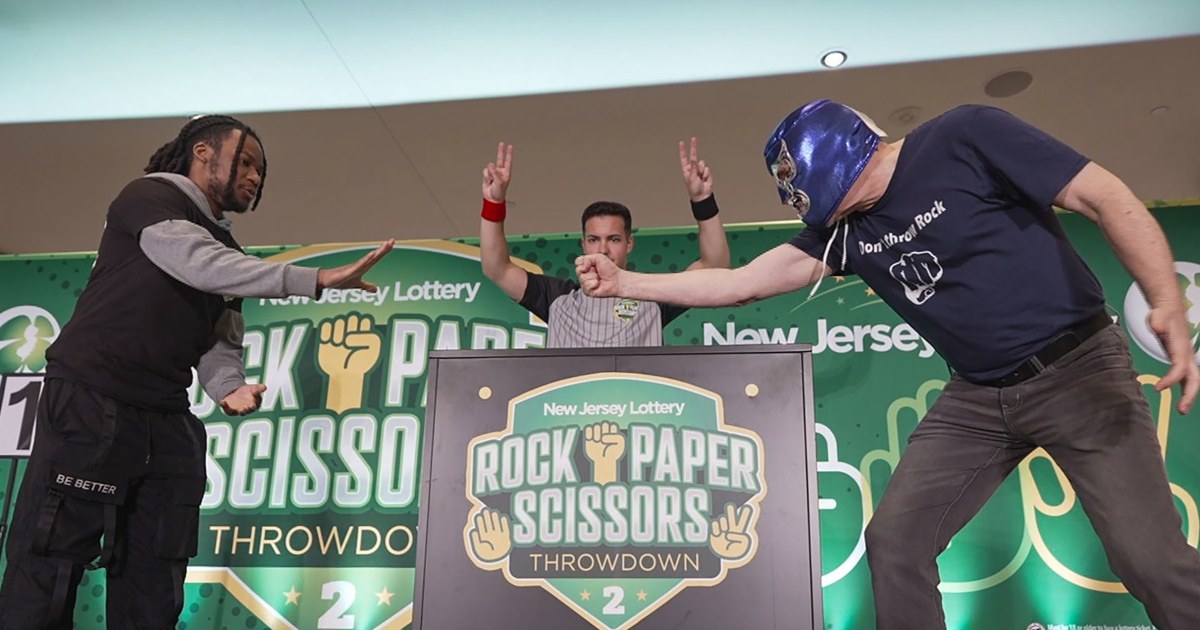
The game of rock, paper, scissors may seem like a simple childhood pastime, but for a growing number of players around the world, it has evolved into a serious competitive sport with structured tournaments, official rankings, and substantial prize money. Far from being purely random, top competitors study psychology, pattern recognition, and strategic timing to gain an edge in matches that can last mere seconds. This blend of accessibility and depth has helped transform what was once a casual decision-making tool into a global phenomenon with its own governing bodies, international championships, and even professional athletes.
One recent example of this competitive evolution is the Rock Paper Scissors Throwdown, an event that drew participants from multiple countries vying for a $10,000 top prize. While specific details about the organizers or exact date of this particular tournament remain unverified through authoritative sources, the existence of such high-stakes events aligns with a broader trend in the sport’s development. Over the past decade, organized rock, paper, scissors competitions have proliferated, supported by national associations and international federations that standardize rules and promote fair play.
The World Rock Paper Scissors Society (WRSS), founded in 2002 and based in Toronto, Canada, is one of the oldest organizations dedicated to promoting the game as a competitive discipline. According to its official website, the WRSS sanctions tournaments worldwide and maintains a code of conduct emphasizing sportsmanship and integrity. Similarly, the USA Rock Paper Scissors League, established in 2006, hosts regular events across American cities and has helped nurture a domestic competitive scene. These groups often collaborate on international events, including the annual World Rock Paper Scissors Championship, which has been held in various locations since the early 2000s.
Competitive play follows a standardized format designed to minimize chance and maximize skill. Matches are typically best-of-three or best-of-five, with players using a set of approved hand gestures and adhering to strict timing rules to prevent delays or deceptive movements. The WRSS rulebook, for instance, specifies that both players must shake once before revealing their choice on the third shake, a ritual intended to ensure simultaneity and fairness. Violations, such as throwing early or using non-standard gestures, can result in warnings or forfeits.
Beyond mechanics, elite players emphasize the mental aspects of the game. Strategy often involves predicting an opponent’s tendencies based on prior rounds, exploiting common human biases—such as the tendency to repeat a winning move or avoid a losing one—and using subtle psychological cues. Some competitors employ opening sequences designed to unsettle opponents or establish patterns they can later break. As noted in interviews with past champions featured in The Guardian and BBC Sport, success frequently comes not from luck, but from reading behavior and adapting in real time.
The sport’s accessibility has contributed to its appeal across age groups and cultures. Unlike many athletic pursuits, rock, paper, scissors requires no specialized equipment, physical prowess, or financial investment to begin playing. This inclusivity has made it popular in schools, workplaces, and community centers as both a recreational activity and a tool for conflict resolution. Yet at the highest levels, the dedication rivals that of more traditional sports, with top players training regularly, analyzing match footage, and even working with coaches to refine their approach.
Financially, while most local tournaments offer modest prizes or trophies, premier events have begun to attract sponsorship and larger purses. The $10,000 prize mentioned in relation to the Rock Paper Scissors Throwdown, if verified, would place it among the more lucrative competitions in the sport’s calendar. For comparison, the World Rock Paper Scissors Championship has historically offered prizes ranging from several thousand dollars to over $20,000 in certain years, often supplemented by sponsorships from gaming companies, entertainment brands, or lifestyle products seeking to tap into the game’s nostalgic and universal appeal.
Media coverage has too played a role in elevating the sport’s profile. Events have been featured on ESPN, streamed on Twitch, and highlighted in documentaries exploring the psychology of competition. In 2015, a televised tournament in Las Vegas drew significant attention when a professional poker player competed against a street performer, highlighting the crossover appeal between different skill-based disciplines. Such exposure has helped legitimize rock, paper, scissors in the eyes of skeptics and attracted modern participants intrigued by its blend of simplicity and depth.
Looking ahead, the future of competitive rock, paper, scissors appears poised for continued growth. Efforts are underway to increase standardization across national federations, improve digital platforms for online play and ranking, and explore potential inclusion in multi-sport festivals or gaming conventions. While Olympic recognition remains unlikely due to the sport’s minimal physical component, advocates argue that its cognitive demands and global accessibility merit consideration alongside other mind-based competitions like chess or bridge, which are already recognized by the International Olympic Committee in certain contexts.
For those interested in learning more or getting involved, official websites of organizations like the World Rock Paper Scissors Society and national leagues provide event calendars, rulebooks, and registration information. Many tournaments are open to players of all skill levels, with beginner brackets alongside elite divisions. As the sport continues to evolve, it offers a unique reminder that even the simplest games can harbor deep layers of strategy, culture, and human connection when pursued with passion and discipline.
The next major event on the international calendar is the 2025 World Rock Paper Scissors Championship, scheduled for autumn in Zagreb, Croatia, according to the WRSS’s official tournament schedule. Details regarding registration, venues, and qualification pathways are expected to be released in the coming months through the society’s website and affiliated national bodies.
If you’ve ever played rock, paper, scissors to settle a debate or pass the time, consider how far the game has come—and where it might go next. Share your thoughts on the rise of competitive hand games in the comments below, and pass this along to anyone who still thinks it’s all just luck.
Keep reading