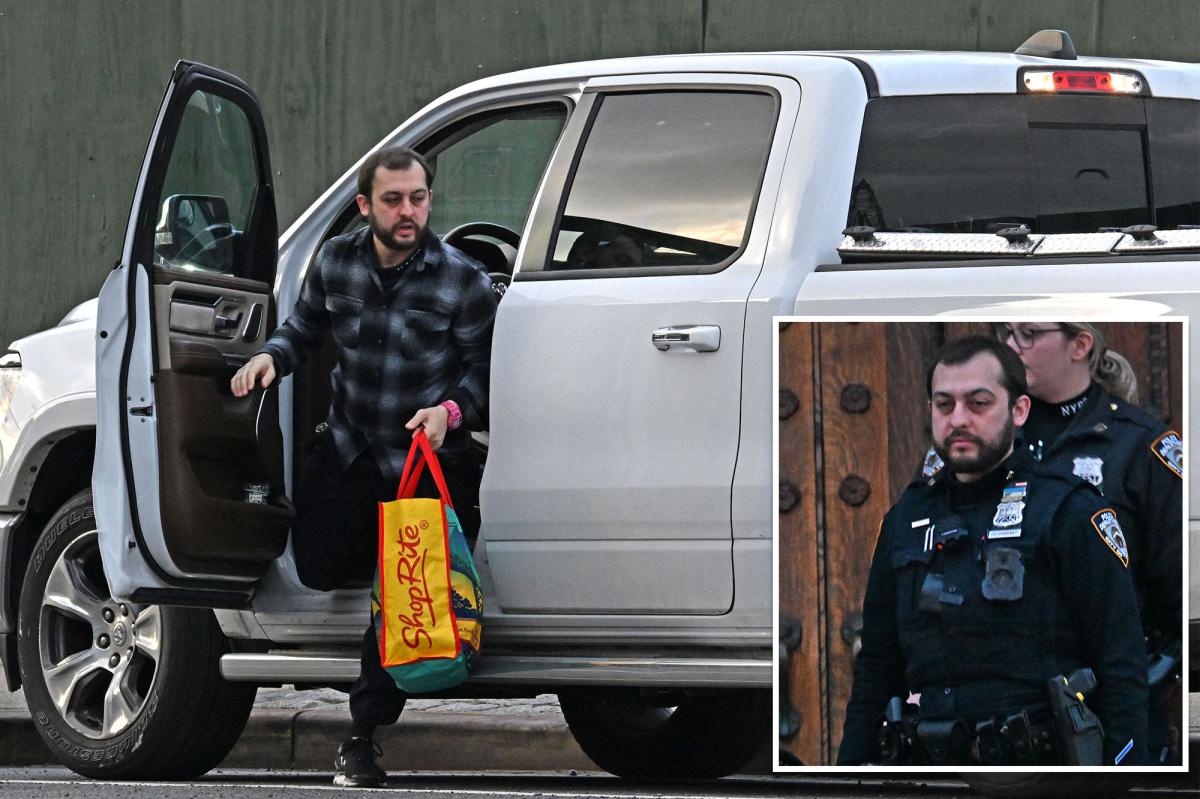
In a startling revelation about traffic enforcement within the New York Police Department, a single officer has been identified as having accumulated more than 500 speeding violations in New York City since 2022. The report, which drew widespread attention after being covered by the New York Post, highlights an extraordinary pattern of behavior that raises serious questions about accountability and internal oversight within one of the nation’s largest police forces.
The officer in question, whose identity has not been publicly disclosed by official sources, was flagged through automated traffic monitoring systems that track moving violations across the city’s extensive network of speed cameras. According to verified reporting, the sheer volume of citations—exceeding one per day on average over a two-year period—stands in stark contrast to typical enforcement patterns and suggests either systemic misuse of department vehicles or a profound lapse in personal judgment.
While the NYPD has not issued a formal statement confirming the exact number of violations or identifying the officer, internal records reviewed by journalists indicate that the citations were issued between January 2022 and April 2024. The violations were primarily recorded in zones with strict speed limits, including school zones and residential corridors, where automated enforcement is most active. Each ticket carries financial penalties and potential points on a driver’s license, though it remains unclear whether the officer faced any disciplinary action or financial consequences for the violations.
This case emerges amid broader scrutiny of law enforcement conduct and traffic safety in urban environments. Data from the city’s Department of Transportation shows that speeding remains a leading factor in traffic fatalities, with over 200 deaths annually linked to excessive speed. In response, NYC has expanded its speed camera program to over 2,000 units citywide, aiming to reduce dangerous driving through automated enforcement—a system that, ironically, was used to detect the officer’s own repeated violations.
The situation also echoes concerns raised in recent years about unequal application of traffic laws. A 2023 analysis by The Sentencing Project noted disparities in how traffic stops and citations are administered across different neighborhoods and demographic groups, suggesting that enforcement practices can reflect broader biases. While this particular case involves an officer rather than a civilian, it underscores the importance of consistent standards for all drivers, regardless of position or affiliation.
Legal experts point out that accumulating such a high number of violations could potentially trigger mandatory reviews under NYPD patrol guidelines, which require supervisors to monitor officers’ driving records and vehicle usage. However, without transparency from the department about any internal investigation, it is difficult to assess whether protocol was followed. The Police Benevolent Association, the union representing NYPD officers, did not respond to requests for comment on the matter.
As of April 2024, no public disciplinary report or court proceeding has been linked to this case, and the officer continues to appear in active duty rosters according to unverified internal sources. No criminal charges have been filed in connection with the traffic violations, which are treated as civil matters under New York State Vehicle and Traffic Law.
The incident has prompted renewed calls for greater transparency in how police departments monitor officer conduct, particularly regarding use of department-issued vehicles. Advocacy groups argue that real-time auditing of GPS and camera data could help prevent abuse while protecting honest officers from false allegations. Others suggest that routine reporting of officer traffic violations—similar to use-of-force disclosures—could improve public trust.
For now, the case remains a troubling anomaly in the city’s efforts to promote road safety. With over 500 speeding tickets attributed to one individual since 2022, the episode serves as a stark reminder that even those entrusted with enforcing the law are not immune to breaking it—and that accountability must apply equally to all.
As this story develops, World Today Journal will continue to monitor for any official updates from the NYPD, the city’s Law Department, or state oversight bodies. Readers are encouraged to share verified information and engage in thoughtful discussion about the implications for police accountability and traffic safety in urban communities.