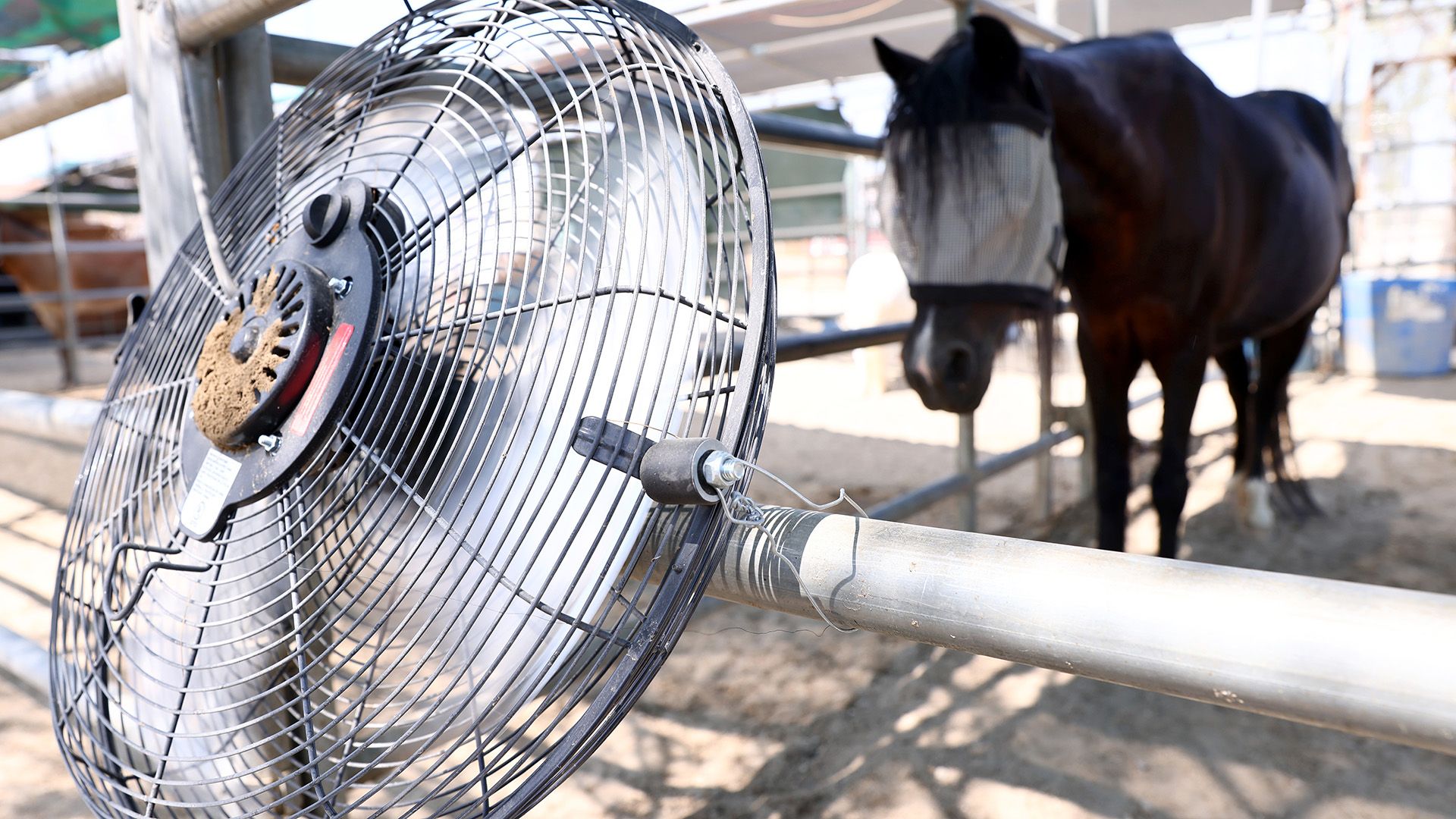
Heat waves are causing significant cognitive and behavioral changes in animals, leading to increased aggression and a reduced ability to complete basic survival tasks. As global temperatures climb, this phenomenon poses a growing risk to ecosystem stability, affecting how various species hunt, mate, and interact with their environments. Understanding these shifts is essential for assessing the long-term impact of extreme weather on biodiversity.
Research into the physiological effects of thermal stress reveals that many species struggle to maintain normal cognitive function when exposed to prolonged heat. According to the Intergovernmental Panel on Climate Change (IPCC), the increasing frequency and intensity of heat waves are directly linked to human-induced climate change, creating environments that exceed the thermal tolerance thresholds of numerous organisms. When an animal’s internal temperature rises, its metabolic rate often shifts, diverting energy away from complex decision-making processes and toward basic physiological maintenance.
The Link Between Thermal Stress and Aggression
One of the most documented behavioral shifts in animals during heat waves is a rise in aggressive interactions. In many social species, high temperatures appear to lower the threshold for conflict. This behavior is not merely a reaction to discomfort; rather, it is a complex response to the physiological taxation of heat. As noted by the Nature Climate Change journal, thermal stress can disrupt the hormonal balance in animals, potentially increasing irritability and reducing the inhibition of aggressive impulses.
For predators and prey alike, this uptick in aggression can disrupt established social hierarchies. In environments where resources like water or shade become scarce, competition intensifies. Animals that might typically coexist or avoid one another are forced into closer proximity, and the added pressure of heat can turn these encounters into violent confrontations. This behavioral change can have cascading effects, as energy spent on fighting is energy lost for foraging or offspring care.
Cognitive Decline and Task Failure
Beyond aggression, heat stress significantly impairs the cognitive abilities required for daily survival. Studies observing various species—from insects to mammals—have shown that higher temperatures correlate with a reduced capacity for learning and memory retention. When an animal cannot effectively process environmental cues, its ability to navigate, identify predators, or locate food sources diminishes.
The Food and Agriculture Organization (FAO) has highlighted how climate-driven environmental stressors impact the health and productivity of livestock and wild fauna alike. For example, when foraging animals experience cognitive deficits, they may fail to distinguish between safe and dangerous food sources or struggle to remember the locations of reliable water supplies. This “task failure” is a critical concern, as it directly reduces an individual’s chances of survival, which in turn threatens the sustainability of the population as a whole.
Ecosystem Consequences and Future Outlook
The ripple effects of these behavioral changes are widespread. Ecosystems rely on a delicate balance of interactions; when a keystone species undergoes a shift in behavior, the entire community can experience instability. If a primary pollinator becomes too lethargic to complete its tasks or an apex predator becomes overly aggressive due to thermal stress, the resulting shifts in population dynamics can lead to a decline in biodiversity.
Public health experts and ecologists are increasingly focused on these behavioral shifts as indicators of broader environmental health. The World Health Organization (WHO) emphasizes that climate change creates multifaceted health risks, and understanding how these risks translate to non-human species is vital for conservation efforts. As we look toward future climate projections, the priority remains the mitigation of global temperature increases to prevent the further degradation of these biological systems.
The next major update on global climate trends and their ecological impacts is expected during the upcoming UN Climate Change Conference (COP) proceedings, where international delegations will review current environmental data and policy strategies. We encourage our readers to share their thoughts or experiences with local wildlife observations in the comments section below.
Keep reading