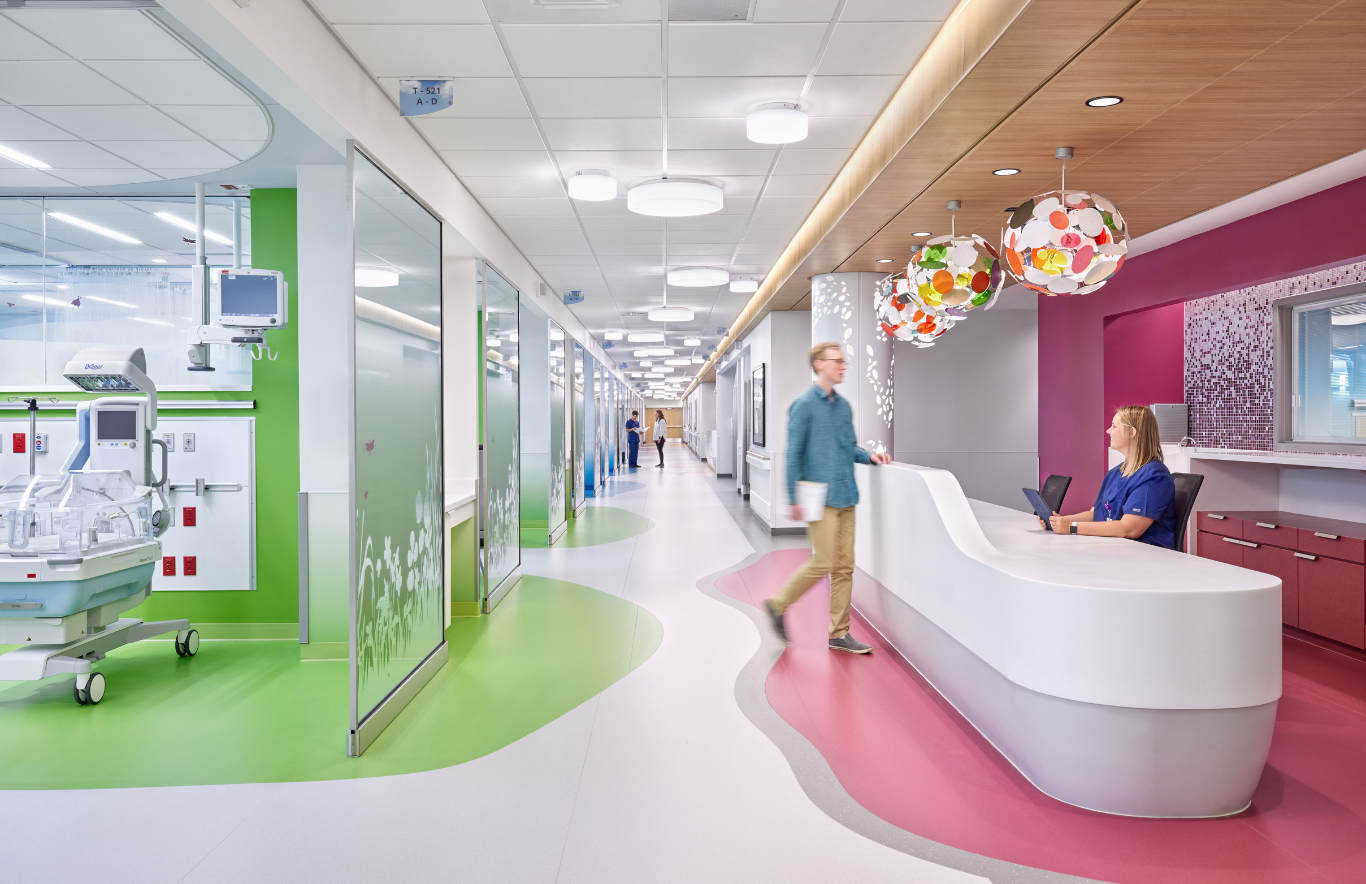
In hospitals and clinics worldwide, flooring is rarely the first thing patients notice—but it plays a quiet, constant role in shaping their experience. From the moment someone steps into a clinic, the surface underfoot influences how safe they feel, how straightforward This proves to move and even how calm they become in an often-stressful environment. As healthcare design evolves to prioritize patient-centered care, materials once chosen purely for durability are now evaluated for how they support healing, comfort, and dignity.
Among these materials, rubber flooring has emerged as a standout option—not just for its resilience under constant foot traffic and rolling equipment, but for its ability to contribute to quieter, warmer, and more navigable spaces. Far from being a purely functional choice, modern rubber flooring blends performance with design sensitivity, helping facilities meet rigorous safety standards while creating environments that feel less institutional and more welcoming.
This shift reflects a broader transformation in healthcare architecture: where sterility and efficiency once dominated, today’s designs integrate biophilic elements, acoustic comfort, and visual warmth to support both physical recovery and emotional well-being. Flooring is no longer a background detail—it is a foundational element that directly influences safety, satisfaction, and clinical outcomes.
To understand how rubber flooring supports these goals, it helps to look at the specific demands of healthcare environments and how modern materials meet them—not just in theory, but in real-world applications across hospitals, rehabilitation centers, and long-term care facilities.
How Rubber Flooring Enhances Physical Safety and Comfort
One of the most immediate benefits of rubber flooring in healthcare settings is its contribution to physical safety. Hospitals are high-traffic environments where spills, hurried movements, and the constant transport of equipment increase the risk of slips and falls. Rubber flooring inherently resists slipping, even when wet, due to its high coefficient of friction—a property that remains stable over time and under frequent cleaning.
This slip resistance is not just a theoretical advantage. According to the National Floor Safety Institute (NFSI), slips and falls account for over 1 million hospital emergency visits annually in the United States alone, with significant costs to both patients and healthcare systems. Flooring that maintains traction under wet conditions is therefore a critical component of fall prevention strategies, particularly in areas like bathrooms, therapy rooms, and entryways.
Beyond slip resistance, rubber flooring offers underfoot cushioning that reduces fatigue for staff who spend long hours on their feet. Nurses, therapists, and aides often walk several miles during a single shift, and prolonged standing on hard surfaces can contribute to musculoskeletal strain. The slight give in rubber flooring absorbs impact, lowering the cumulative stress on joints and muscles—a benefit supported by ergonomic studies showing reduced discomfort in environments with resilient flooring compared to concrete or tile.
This comfort extends to patients, especially those with limited mobility or balance issues. The uniform, slightly yielding surface provides stability for walkers, wheelchairs, and gait trainers, reducing the effort required to move safely. In rehabilitation settings, where confidence in movement is part of recovery, flooring that feels secure can encourage greater participation in therapy.
Acoustic performance is another often-overlooked advantage. Hospitals are notoriously noisy, with overhead paging, equipment alarms, and foot traffic contributing to sound levels that can exceed 70 decibels—comparable to a vacuum cleaner running continuously. Such noise disrupts sleep, increases stress, and has been linked to slower recovery and higher rates of delirium, particularly in older patients.
Rubber flooring helps mitigate this by absorbing impact sound. Unlike hard surfaces that reflect noise, rubber dampens the sound of footsteps and rolling carts, contributing to quieter corridors and patient rooms. Some acoustic-rated rubber flooring systems can reduce impact noise by up to 20 decibels, a difference that is perceptible and meaningful in environments where rest is part of healing.
Designing for Emotional Well-Being Through Material Choice
While safety and durability are non-negotiable, the emotional experience of a healthcare space increasingly shapes how patients perceive their care. A cold, clinical environment can heighten anxiety, whereas warmth, natural textures, and thoughtful design can foster a sense of calm and dignity. Modern rubber flooring has evolved to meet this need, offering aesthetic options that proceed far beyond the traditional gray or black sheets associated with industrial use.
Today’s rubber flooring includes designs that mimic wood, stone, and other natural materials—options that align with biophilic design principles, which seek to connect people with nature through the built environment. Research published in the journal Health Environments Research and Design Journal has shown that exposure to nature-inspired elements in healthcare settings can reduce stress, lower blood pressure, and improve patient satisfaction scores.
These visual qualities are not merely decorative. In pediatric wards, warmer tones and playful patterns can make spaces feel less intimidating for children. In dementia care units, clear visual cues and consistent flooring patterns help with orientation and wayfinding, reducing confusion and agitation. In outpatient clinics and wellness centers, flooring that resembles high-end hospitality design reinforces a message of care and attention to detail.
Manufacturers have responded to this demand by expanding color palettes, introducing subtle textures, and offering modular tiles that allow for creative layouts—such as contrasting inlays to guide pathways or define zones. These design capabilities enable architects and interior designers to use flooring as a tool for storytelling, wayfinding, and emotional engagement, all while maintaining the performance characteristics essential in healthcare.
For example, at the University Hospital Zurich, renovations included rubber flooring with a light oak finish in outpatient corridors, chosen specifically to create a calmer, more inviting atmosphere compared to the previous institutional gray. Staff reported that patients seemed more at ease upon arrival, and cleaning teams noted the material’s resistance to staining and ease of maintenance—demonstrating that aesthetic appeal does not come at the cost of practicality.
Performance, Durability, and Long-Term Value
Healthcare facilities operate around the clock, leaving little room for downtime due to repairs or replacements. Flooring must withstand constant use—not just from foot traffic, but from heavy equipment like hospital beds, imaging machines, and food service carts that can weigh hundreds of pounds. Durability is not a luxury; it is a necessity.
Rubber flooring excels in this regard. It resists indentation from rolling loads, maintains its integrity under frequent disinfection with hospital-grade cleaners, and does not crack or warp under varying temperatures and humidity levels. Unlike some vinyl or laminate options, high-quality rubber flooring does not require waxing or polishing, reducing both labor and chemical use over time.
This resilience translates into a long service life. Many rubber flooring products are designed to last 20 to 30 years under normal healthcare conditions, with some premium lines offering warranties up to 25 years. This longevity reduces the frequency of disruptive replacements and lowers lifetime costs, even if the initial investment is higher than less durable alternatives.
Sustainability is another growing consideration. Healthcare organizations are increasingly evaluating materials not just for performance, but for environmental impact. Rubber flooring contributes here in several ways: its long lifespan means fewer replacements and less waste; many products are now manufactured without PVC, phthalates, or halogenated flame retardants; and some manufacturers provide Environmental Product Declarations (EPDs) and Health Product Declarations (HPDs) that disclose material composition and lifecycle impacts.
These transparency documents allow facilities to make informed choices aligned with green building standards like LEED or WELL. For instance, selecting rubber flooring with low volatile organic compound (VOC) emissions supports better indoor air quality—a factor that affects both patients and staff, particularly those with respiratory sensitivities.
In regions with strict environmental regulations, such as the European Union, the shift toward PVC-free flooring has gained momentum. The EU’s Circular Economy Action Plan encourages the use of durable, recyclable materials in public buildings, and rubber flooring fits this profile when designed for end-of-life recyclability. Some manufacturers now offer take-back programs, where used flooring is collected and processed into modern products, further closing the loop.
Real-World Applications: From Rehabilitation Centers to Acute Care Hospitals
The benefits of rubber flooring are not theoretical—they are evident in facilities around the world. In Germany, the Reinhardt Foundation’s neurological rehabilitation center in Bad Reichenhall installed rubber flooring throughout therapy gyms and patient lounges to support mobility training and reduce noise during group sessions. Therapists noted improved traction during balance exercises, and patients reported feeling more confident when practicing walking with assistive devices.
In the United States, the Shirley Ryan AbilityLab in Chicago—a global leader in rehabilitation medicine—uses rubber flooring in its therapy spaces to accommodate a wide range of activities, from wheelchair training to gait analysis. The flooring’s uniformity and slip resistance are critical for safety, while its acoustic properties help maintain a focused environment despite high activity levels.

Even in high-acuity settings like operating rooms and intensive care units, rubber flooring finds use. While these areas often require seamless, chemically resistant surfaces, certain rubber formulations meet the strict standards for infection control and cleanability while still offering the underfoot comfort and noise reduction valued by staff during long shifts.
What unites these diverse applications is a shared recognition: flooring is not just a surface to walk on. It is an active contributor to safety, comfort, and the overall quality of care. When chosen thoughtfully, it supports the people who depend on the space—patients seeking healing, families navigating uncertainty, and staff delivering care under pressure.
Looking Ahead: Innovation and Integration in Healthcare Design
As healthcare design continues to evolve, flooring will remain a point of innovation. Advances in material science are producing rubber composites with enhanced antimicrobial properties, improved stain resistance, and even greater design flexibility—such as digital printing techniques that allow for custom patterns or wayfinding graphics embedded directly into the surface.
At the same time, the integration of flooring into broader wellness strategies is gaining attention. Some hospitals are now considering how flooring choices interact with lighting, acoustics, and air quality to create cohesive healing environments. For example, pairing sound-absorbing rubber flooring with acoustic ceiling tiles can amplify noise reduction, while combining warm-toned floors with natural lighting enhances the biophilic effect.
These holistic approaches reflect a deeper understanding: healing is not just about treating illness—it is about creating spaces that support the whole person. In that vision, every detail matters, including the one we walk on every day.
For healthcare administrators, designers, and clinicians evaluating materials, the message is clear: flooring deserves more than a passing glance. It is a foundational element that, when selected with intention, can quietly but powerfully support safety, dignity, and better outcomes for everyone who enters the space.
To stay informed about the latest developments in healthcare materials and design, readers can consult resources from organizations like the Center for Health Design, which offers evidence-based research on how the built environment affects health, or the U.S. Green Building Council’s LEED rating system, which includes criteria for sustainable flooring selection.
Related reading