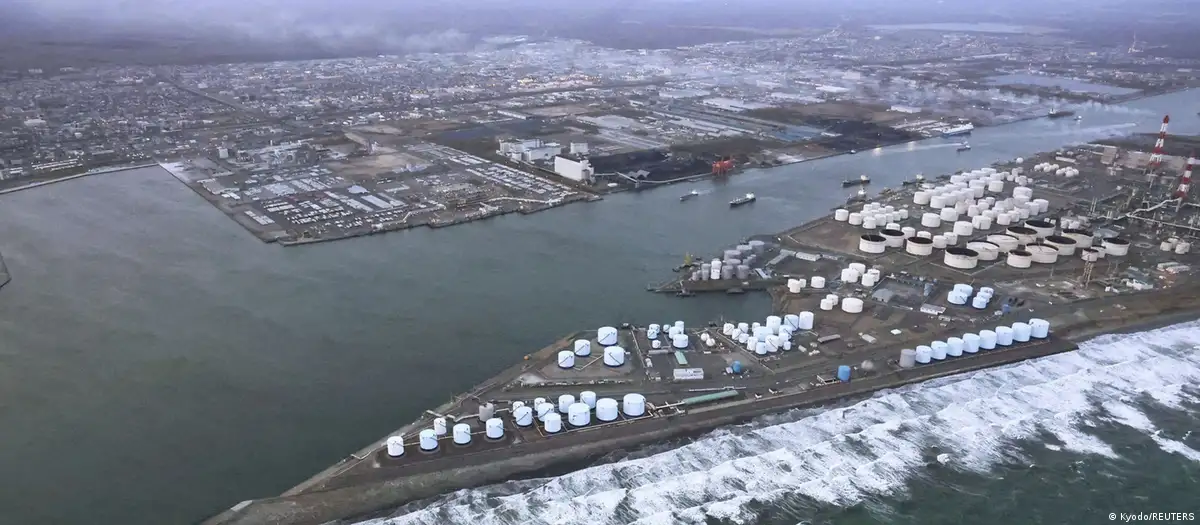
Japan remains on high alert following a powerful magnitude 7.5 earthquake that struck off the northeastern coast on Monday, April 20, 2026, triggering tsunami warnings and reigniting concerns about the potential for a far more devastating “megathrust” earthquake in the region.
The quake, which occurred at 4:53 p.m. Local time approximately 19 kilometers beneath the Pacific Ocean floor near the Sanriku coast of Iwate Prefecture, was strongly felt across northern Japan, including in Tokyo, where buildings swayed and objects fell from shelves. The Japan Meteorological Agency (JMA) initially issued a tsunami advisory, warning of waves up to three meters high, which led to evacuation orders for over 128,000 residents across Iwate and three neighboring prefectures.
While the tsunami threat has since subsided — with only minor waves of 80 centimeters recorded in Kuji port and 40 centimeters in another local harbor — authorities have emphasized that the seismic activity has increased the likelihood of a larger event. According to the JMA, the probability of a magnitude 8.0 or greater earthquake in the coming days has risen to 1%, ten times higher than the typical baseline of 0.1%, particularly in the zones near the Chishima and Japan Trenches.
This assessment has drawn renewed attention to the long-standing seismic risks facing northeastern Japan, a region still marked by the memory of the 2011 Tōhoku disaster, which triggered a catastrophic tsunami and led to the Fukushima nuclear accident. In the aftermath of the recent quake, Japanese Prime Minister Sanae Takaichi visited key facilities in Fukushima to review emergency preparedness and infrastructure resilience, underscoring the government’s focus on preventing a repeat of past failures.
Seismologists note that the recent tremor occurred in a seismically active subduction zone where the Pacific Plate is forced beneath the continental plate, a setting capable of producing megathrust earthquakes — the most powerful type of seismic event. While no major structural damage or fatalities were reported from the initial quake, officials continue to urge vigilance, warning that strong aftershocks remain possible for up to a week and that the public should remain prepared for sudden changes in alert levels.
Understanding the Megathrust Risk
The term “megathrust earthquake” refers to earthquakes that occur at subduction zones, where one tectonic plate is forced beneath another. These events are capable of releasing immense energy, often exceeding magnitude 9.0, and are frequently associated with devastating tsunamis due to the vertical displacement of the seafloor. The 2011 Tōhoku earthquake, which measured 9.1, is a prime example, having caused widespread destruction and a tsunami that reached heights of over 10 meters in some areas.
Japan’s location along the Pacific Ring of Fire makes it particularly vulnerable to such events. The country experiences approximately 1,500 earthquakes annually, though most are minor. Yet, the northeastern region, where the Pacific Plate subducts beneath the North American Plate, has historically been the source of Japan’s most powerful quakes. The JMA’s recent advisory highlights that stress may be accumulating in this zone, increasing the potential for a larger rupture.
While the current 1% probability of a magnitude 8.0+ event remains low in absolute terms, it represents a significant deviation from normal conditions and has prompted enhanced monitoring. The agency has deployed additional seismic sensors and is coordinating with local governments to ensure rapid communication if conditions worsen. Public advisories continue to emphasize readiness, including knowing evacuation routes and having emergency supplies on hand.
Government Response and Public Preparedness
In response to the heightened alert, Japanese authorities have maintained a state of readiness without issuing mandatory evacuations. Instead, they have released non-binding advisories urging residents in coastal areas to avoid beaches and riverbanks and to be prepared to move to higher ground quickly. Local governments in Iwate, Miyako, and other affected municipalities have reviewed evacuation plans and confirmed that shelters remain stocked and accessible.
The national government has also reiterated its commitment to improving early warning systems. Japan’s earthquake early warning network, operated by the JMA, can detect initial seismic waves and issue alerts seconds before stronger shaking arrives — a system that provided valuable time during the recent event. Officials have confirmed that the system functioned as intended, allowing for timely public notifications.
Prime Minister Takaichi’s visit to Fukushima included inspections of updated tsunami barriers, reinforced infrastructure, and emergency communication systems installed since 2011. Her office stated that the goal was to ensure that lessons from the past decade are being applied effectively, particularly in safeguarding nuclear facilities and critical supply chains against future seismic shocks.
Despite the absence of immediate danger, the psychological impact of recurring alerts remains a concern. Community leaders and mental health professionals have noted heightened anxiety among residents, particularly older individuals who lived through the 2011 disaster. Support services, including counseling hotlines and community check-ins, have been made available in affected areas to address emotional distress.
What This Means for the Region and Beyond
While the immediate threat has diminished, the situation underscores Japan’s ongoing vulnerability to seismic hazards and the importance of sustained investment in resilience. Experts emphasize that earthquake prediction remains imprecise, but probabilistic forecasting — like the JMA’s updated risk assessment — plays a vital role in guiding preparedness efforts.
Internationally, Japan’s response continues to be viewed as a model for disaster readiness. Its combination of advanced technology, regular public drills, and clear communication protocols has helped reduce casualties in past events. The current episode serves as a reminder that even in highly prepared societies, natural hazards require constant vigilance and adaptation.
For now, the focus remains on monitoring. The JMA has stated that it will continue to analyze seismic data and update the public if the risk level changes. No specific timeline has been given for when the elevated alert might be lifted, but officials have indicated that decisions will be based on real-time observations and aftershock patterns.
As Japan navigates this period of heightened awareness, the balance between caution and normalcy remains delicate. Authorities stress that while fear is unproductive, preparedness saves lives — a principle that continues to shape national policy and community action in the face of an uncertain seismic future.
Stay informed through official channels such as the Japan Meteorological Agency’s website and local government alerts. Readers are encouraged to share this information to help others stay ready and resilient.
Related reading