
As conventional mental health interventions face increasing scrutiny, a growing number of individuals are exploring alternative approaches to address conditions like depression, anxiety, and suicidal ideation. According to the Substance Abuse and Mental Health Services Administration (SAMHSA), 61.5 million U.S. adults experienced a mental health condition in the past year, with nearly half of those individuals receiving no treatment. While traditional psychiatric care remains the standard, data from Johns Hopkins Medicine suggests that approximately 30% of people diagnosed with major depressive disorder are classified as treatment-resistant, meaning standard antidepressants fail to provide meaningful relief. This gap has prompted a shift in the global conversation, with increasing interest in plant-medicine-based therapies as a potential pathway for those who have exhausted conventional options.
The urgency of this issue is underscored by global statistics. The World Health Organization (WHO) reports that suicide claims an estimated 727,000 lives annually, remaining a leading cause of death among young people worldwide. In the United States, the scale of the crisis is equally concerning, with SAMHSA data from 2024 indicating that approximately 14.3 million U.S. adults reported serious thoughts of suicide. As these figures persist despite decades of pharmaceutical and therapeutic advancement, the search for alternative modalities has moved from the periphery into the mainstream, with both patients and policymakers beginning to re-evaluate the role of psychedelic substances in clinical mental health care.
The Evolution of Federal Policy
Federal oversight regarding psychedelic-assisted therapies reached a notable inflection point on April 18, 2026, when President Trump signed an executive order titled “Accelerating Medical Treatments for Serious Mental Illness.” This directive mandates that federal agencies expedite the research, review, and approval processes for psychedelic drugs as potential treatments for serious mental health conditions. The order allocated $50 million in federal funds to improve accessibility and fast-track FDA review of specific substances, including psilocybin and ibogaine. This legislative shift highlights a growing governmental recognition that conventional treatment models may be insufficient for a significant segment of the population, specifically those suffering from treatment-resistant disorders.
The academic and clinical communities have simultaneously provided evidence supporting this shift. A 2025 study published in the Journal of the American Medical Association found that a single dose of LSD could ease symptoms of anxiety and depression for months. These findings provide a scientific framework for the growing interest in substances that were previously categorized strictly as illicit, suggesting that when administered in controlled environments, they may offer a sustained therapeutic effect that traditional daily medications struggle to achieve for certain patients.
Integrative Models in Clinical Wellness
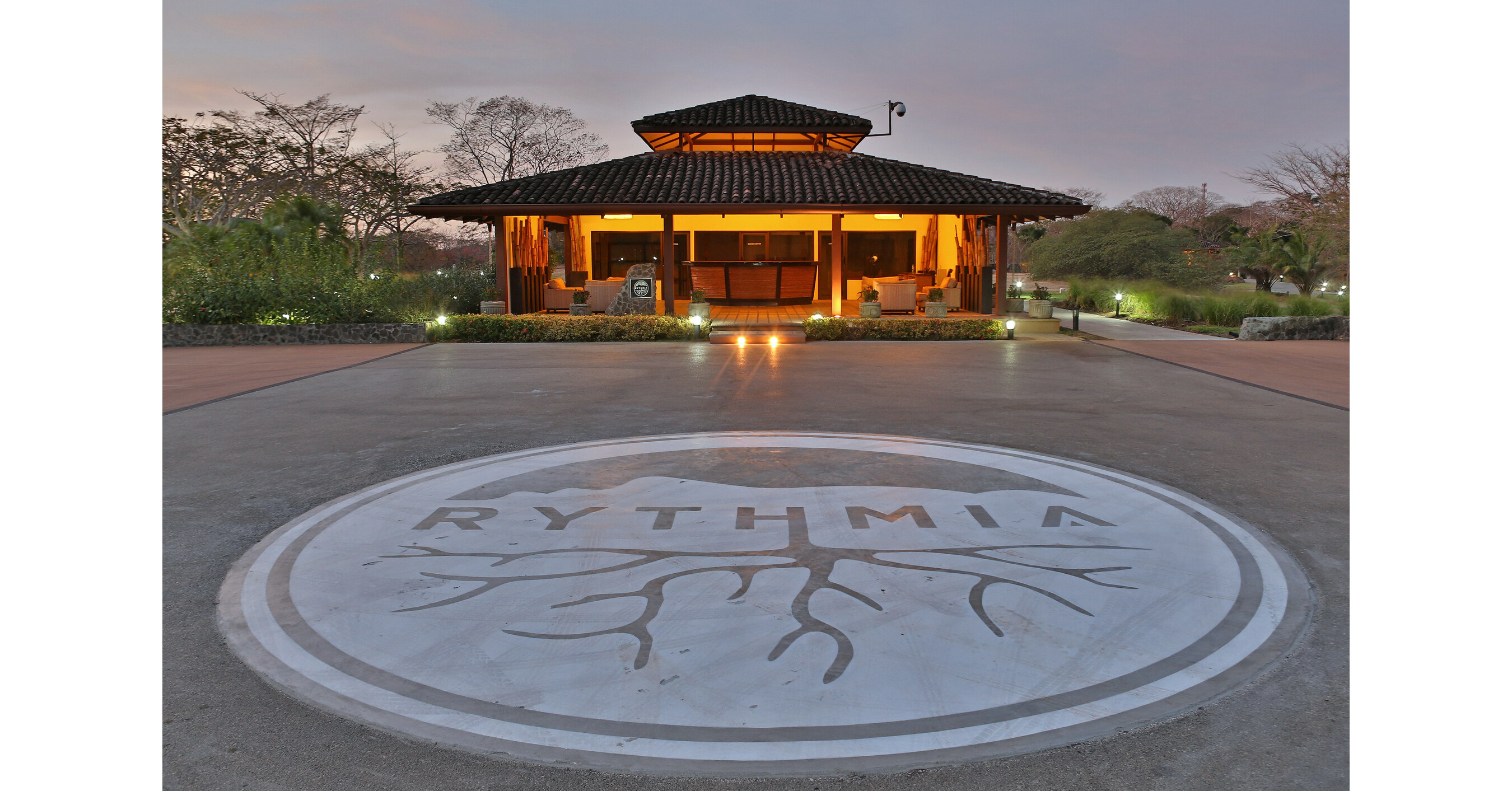
Facilities like the Rythmia Life Advancement Center in Guanacaste, Costa Rica, operate at the intersection of these ancient healing traditions and modern wellness practices. While the center is not a hospital or a psychiatric facility, it provides a structured environment that integrates plant-medicine ceremonies with breathwork, meditation, yoga, and personal development. The objective, according to the center’s clinical leadership, is to address the root causes of suffering—often identified as unprocessed trauma—rather than merely managing symptoms through pharmacotherapy. Dr. Jeff McNairy, the Chief Medical Officer at Rythmia, has stated that the program aims to provide guests with the tools to become their own advocates in the healing process.
The center’s internal data, based on surveys of more than 24,000 guests conducted six months post-program, suggests significant shifts in self-reported outcomes. Participants reported a 63% reduction in addiction, a 56% reduction in anxiety and depression, a 70% reduction in trauma and PTSD, and a 73% reduction in suicidal ideation. While these figures represent the center’s own internal metrics rather than independent clinical trials, they reflect a broader trend of individuals seeking out-of-country, intensive wellness experiences when domestic options fail to yield the desired results. The model emphasizes a holistic approach, positing that physical markers of stress and emotional distress are often deeply rooted in the subconscious, necessitating a more immersive intervention than a standard therapy session.
Public Figures and the Healing Narrative
The visibility of this movement has been amplified by public figures who have shared their experiences with plant medicine. Italian rapper Clementino, for instance, has spoken about his recovery from cocaine addiction, describing how such retreats allowed him to move past the noise of his daily life and regain a sense of creative clarity. Similarly, Mack Maine, president of Young Money Entertainment, has reflected on his time at the center, characterizing the experience as a vital step in understanding his personal history and the origins of his own trauma. These testimonials serve to destigmatize the use of alternative medicine, framing these experiences not as recreational, but as essential components of a recovery journey for those who have stood at the edge of their own darkest moments.
However, the shift toward these modalities is not without complexity. As the industry grows, the necessity for safety, medical oversight, and ethical standards remains a primary concern for public health officials. While federal policy is beginning to catch up to the potential of these treatments, the transition from unregulated retreats to clinical, FDA-approved settings will likely be the next major hurdle. For now, the reliance on such centers suggests that for millions, the current standard of psychiatric care is leaving a vacuum that they are increasingly eager to fill with experimental, non-traditional solutions.
The next major checkpoint for this evolving sector will be the upcoming federal agency reports on the implementation of the April 2026 executive order, which will define the timeline for new clinical trials and funding distribution. As research continues to emerge from both academic institutions and private centers, the dialogue around mental health is likely to remain focused on whether current medical frameworks can truly transform lives or if they are destined to remain tools for symptom management alone. We encourage our readers to share their thoughts on the role of plant medicine in modern mental health care in the comments below.
Keep reading