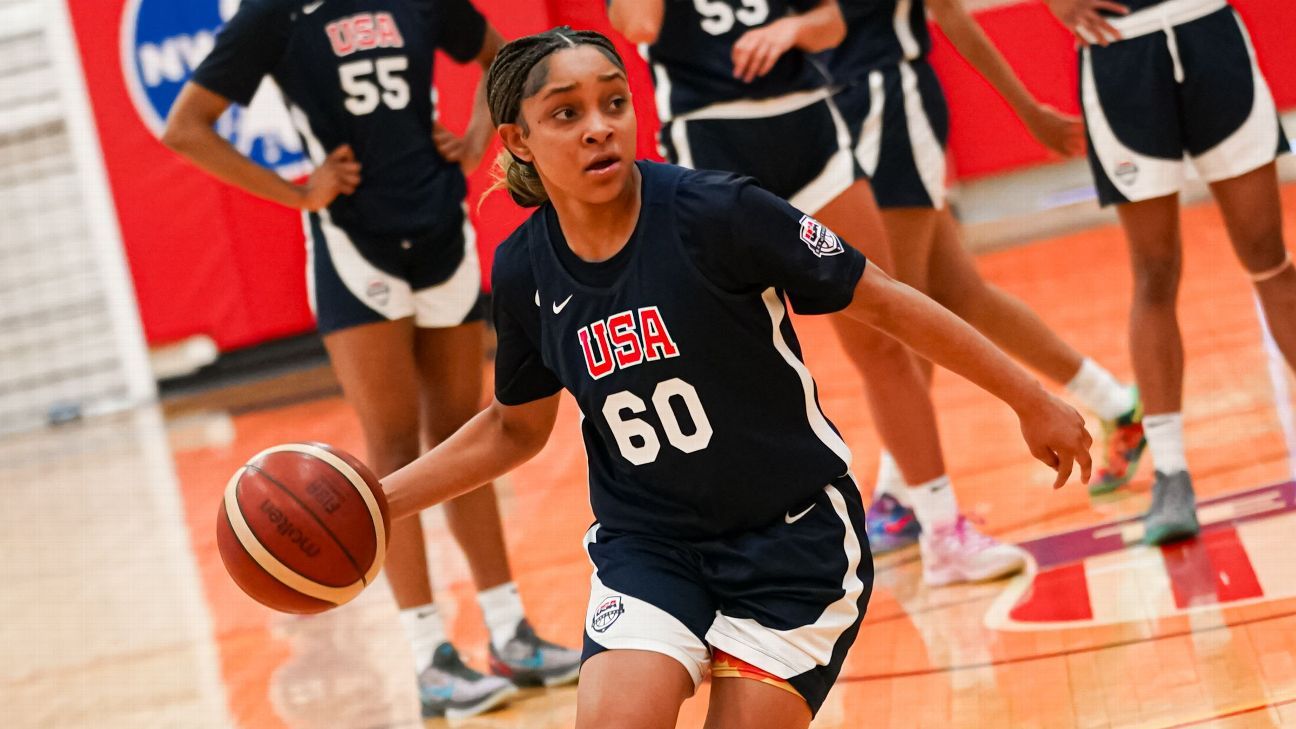
The landscape of women’s basketball recruitment is undergoing a rapid evolution, with top-ranked prospects Kaleena Smith (2027), Tatianna Griffin (2028), and Kristen Winston (2029) defining the current horizon of elite talent. As these young athletes navigate the intense scrutiny of national scouting services and collegiate programs, their positions at the top of their respective classes remain subject to the volatile nature of high school development and performance benchmarks. Tracking these rankings requires an understanding of how scouting services evaluate long-term potential against current production.
Recruiting analysts, including those from ESPN’s recruiting database, emphasize that rankings for classes several years out are projections rather than static guarantees. For players like Smith, Griffin, and Winston, maintaining a top-tier status involves balancing consistent high-school performance with the physical and mental demands of elite travel circuits. The NCAA recruiting calendar sets strict boundaries on when coaches can contact these prospects, meaning much of their current visibility relies on third-party scouting evaluations rather than direct collegiate interaction.
The Projections for 2027: Kaleena Smith
Kaleena Smith has garnered significant attention as a cornerstone of the 2027 recruiting class. As a guard, her development is often measured by her ability to control the pace of play and her consistency from the perimeter. Scouting services generally evaluate these prospects based on a combination of physical metrics, basketball IQ, and performance in high-level showcases. According to USA Basketball youth development standards, early identification of such talent is a standard component of the pipeline for national team selection, though collegiate recruitment remains a separate, private process.
For a prospect like Smith, the “security” of a No. 1 ranking is relative. Analysts often note that players who reach the top early face the dual challenge of defending that position against rising challengers and managing the pressure of public expectations. While her current standing reflects her dominance in early high school competition, the transition to the final years of high school often sees shifts in rankings as other players experience late growth spurts or refined skill development.
Evaluating the 2028 and 2029 Horizons: Griffin and Winston
Tatianna Griffin (2028) and Kristen Winston (2029) represent the next wave of talent that collegiate programs are already monitoring. Because these players are earlier in their development, their rankings are subject to more frequent adjustments. Scouting reports for these classes often focus on fundamental skill sets—ball handling, defensive footwork, and shooting mechanics—rather than the polished tactical execution expected of older recruits.

The stability of a No. 1 ranking for a 2029 prospect is inherently lower than for a 2027 athlete. The Women’s Basketball Coaches Association (WBCA) provides resources for coaches and parents regarding the long-term development of youth athletes, cautioning that premature focus on rankings can detract from fundamental growth. For Griffin and Winston, maintaining their status requires not only elite skill but also the ability to sustain interest from major programs over several years of high school play.
How Scouting Services Determine Rankings
Determining who sits at the top of a recruiting class involves a rigorous synthesis of data points. Scouting services typically look at:
- Physicality and Athleticism: Speed, agility, and size relative to the athlete’s position.
- Skill Versatility: The ability to impact a game beyond a single statistical category.
- Competition Level: How a player performs against other top-ranked athletes in high-pressure environments.
- Consistency: The ability to maintain high performance across multiple seasons and varying defensive schemes.
According to official NCAA guidance, the recruiting process is designed to be an evaluation of an athlete’s potential to contribute to a university program. While rankings provide a snapshot for fans and media, coaching staffs often utilize their own internal evaluation metrics, which may differ from public scouting rankings. This disparity is often why a “No. 1” player may not be the primary target for every major program in the country.
What Happens Next for Elite Prospects
The next phase for these athletes involves continued participation in elite camps and high school circuits, where their performance will be scrutinized by collegiate recruiters. For the class of 2027, the timeline for verbal commitments and official visits will begin to accelerate in the coming seasons. The NCAA Recruiting Rules dictate specific windows for when these interactions can occur, ensuring a structured, albeit intense, environment for the players.
As these prospects continue their careers, the most important metric remains their individual growth and their ability to adapt to the increasing speed and physicality of the game. Fans and observers looking for the latest updates on these athletes should monitor official high school athletic department announcements and verified scouting databases. We welcome readers to share their analysis of the evolving youth basketball landscape in the comments section below.
Related reading