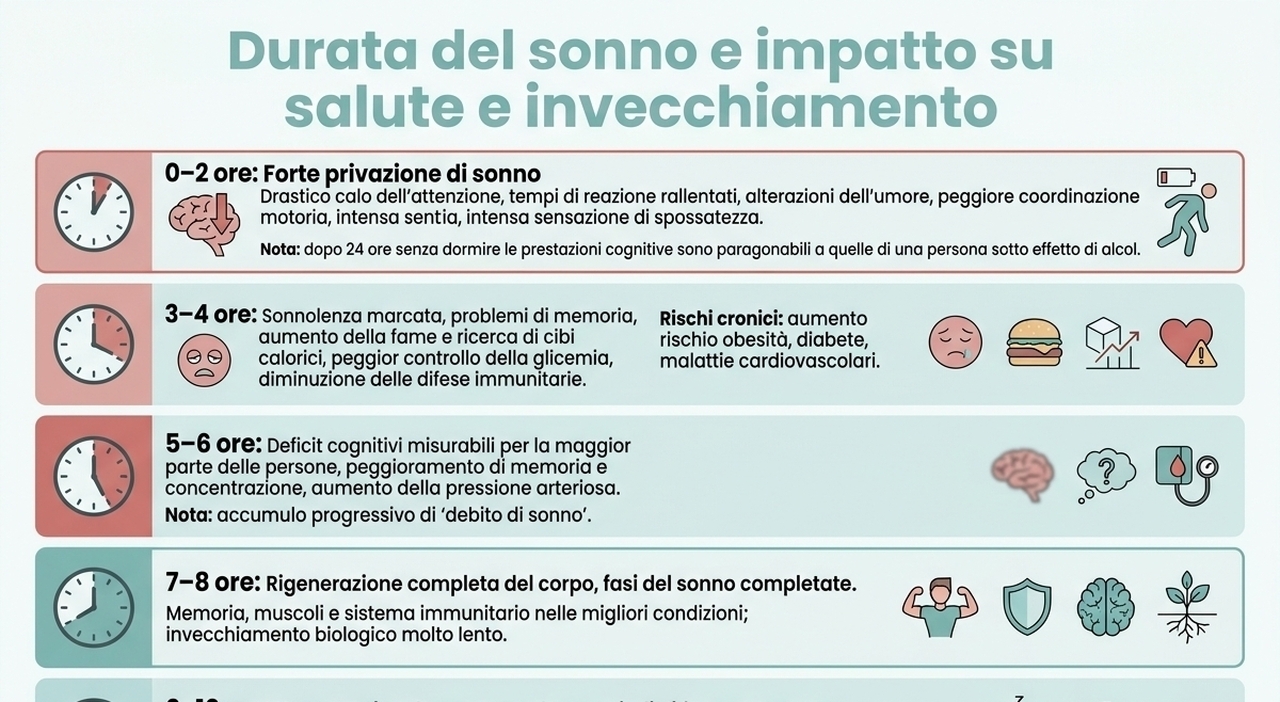
Recent clinical observations suggest that sleep duration and quality are linked to markers of brain aging, challenging the long-standing “eight-hour” rule as a universal standard for health. Emerging research indicates that both chronic short sleep and excessive sleep duration may correlate with cognitive changes, prompting medical professionals to emphasize sleep architecture—the structure and quality of sleep cycles—over simple quantity.
As a physician, I have frequently observed that patients prioritize the total number of hours spent in bed while overlooking the restorative nature of their sleep. While the National Sleep Foundation generally recommends 7 to 9 hours of sleep for healthy adults, current research indicates that the physiological impact of sleep is highly individualized and depends heavily on how the brain cycles through REM and non-REM stages. According to the National Sleep Foundation, sleep requirements can fluctuate based on age, lifestyle, and underlying health conditions, moving the conversation away from a rigid numerical requirement.
Understanding Sleep Architecture and Brain Health
The relationship between sleep and neurological health is centered on the concept of sleep architecture. When we sleep, the brain progresses through stages of light sleep, deep sleep, and Rapid Eye Movement (REM) sleep. Each stage plays a specific role in memory consolidation, waste clearance, and emotional regulation. Research published in journals such as Nature Aging has highlighted that fragmented sleep or consistent disruptions in these cycles may be associated with increased markers of biological aging in the brain.
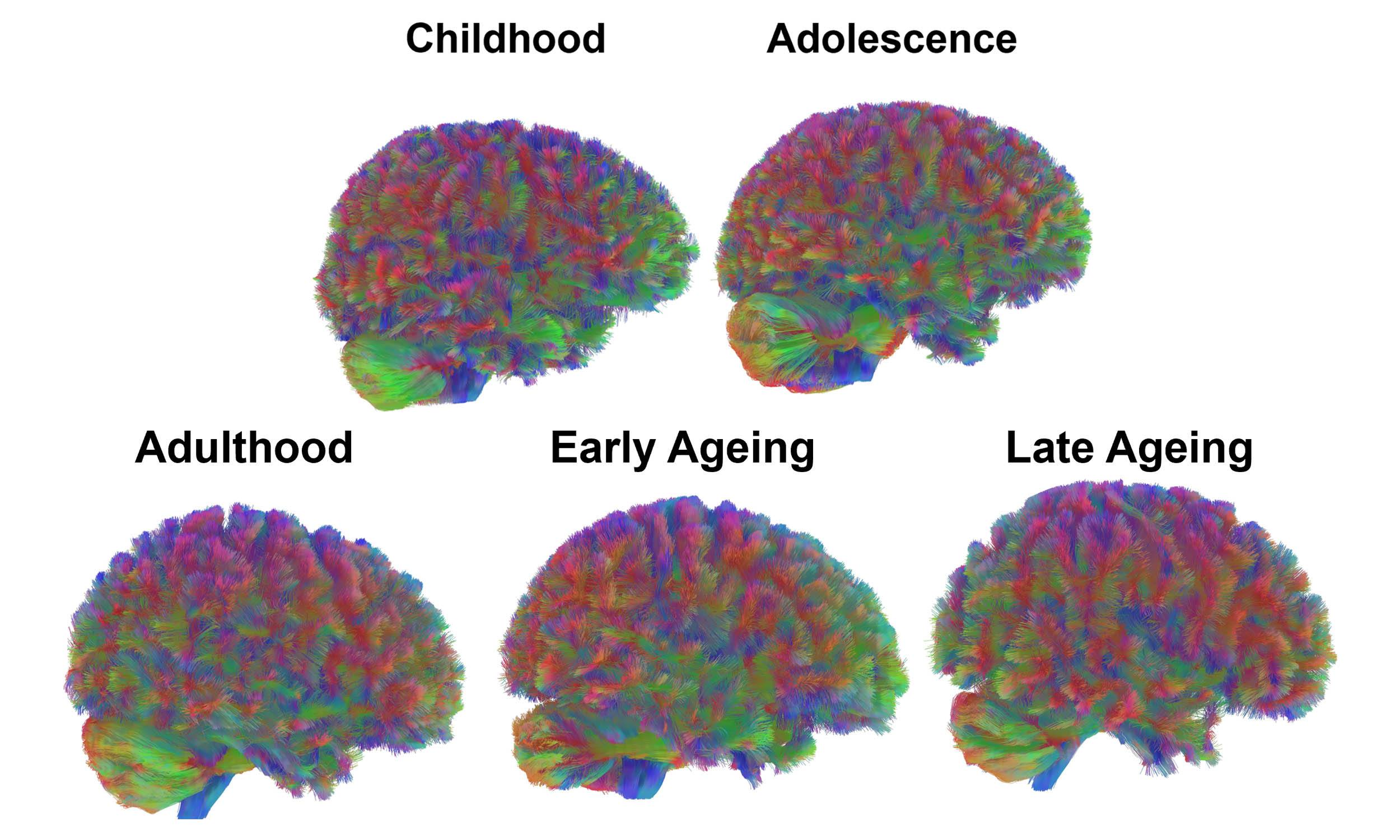
Data from the National Institute on Aging confirms that sleep deprivation can interfere with the brain’s ability to clear metabolic waste products, such as amyloid-beta, which are often linked to neurodegenerative processes. Conversely, consistently sleeping too long—often defined as exceeding nine or ten hours—has also been associated in some epidemiological studies with higher risks of cardiovascular issues and systemic inflammation, though researchers often note that this may be a symptom of underlying health conditions rather than a direct cause of illness.
Why the “Eight-Hour Myth” Persists
The cultural obsession with achieving exactly eight hours of sleep often leads to “orthosomnia,” a term coined to describe the unhealthy preoccupation with achieving perfect sleep data from wearable devices. From a clinical perspective, focusing solely on the clock can increase anxiety, which in turn degrades sleep quality. The Centers for Disease Control and Prevention (CDC) notes that while 7 hours or more is the target for most adults, the “quality” of that rest—defined by how refreshed one feels upon waking and the absence of daytime fatigue—is a more accurate metric of success.
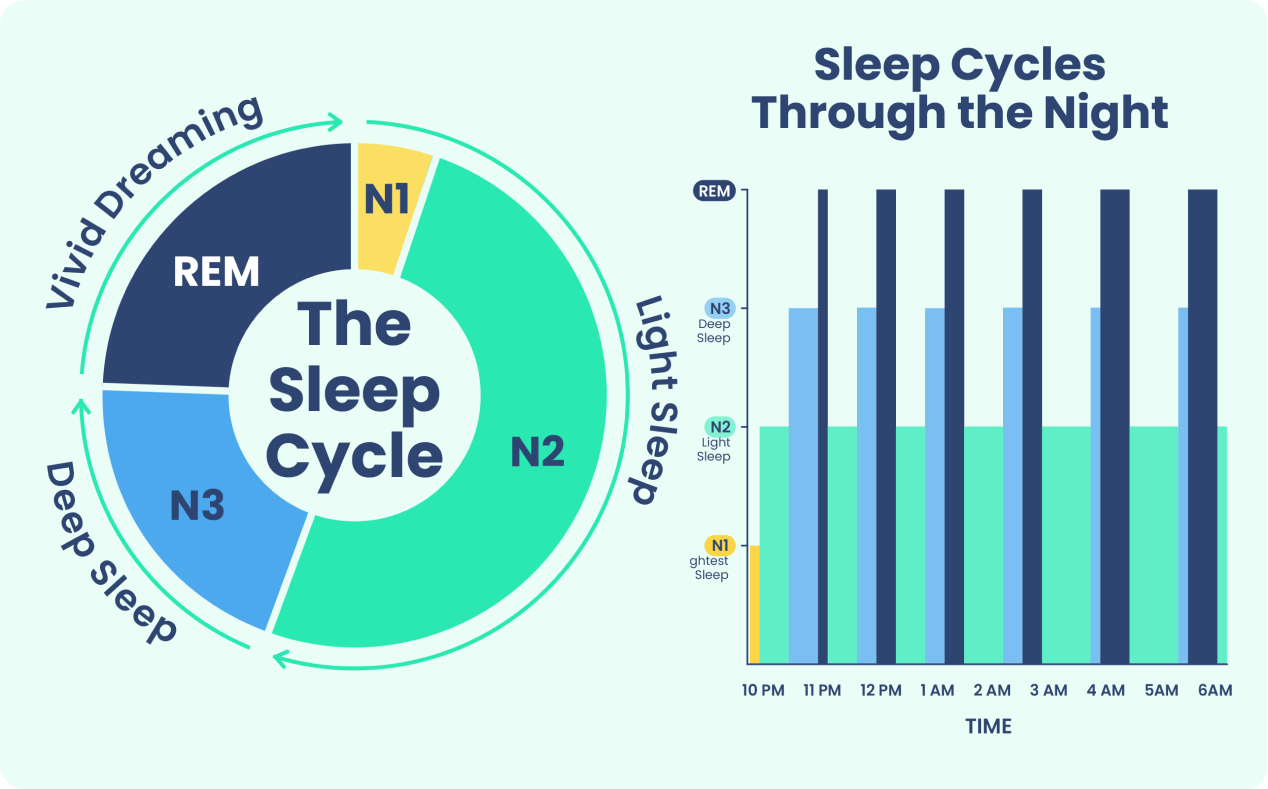
Sleep efficiency, or the percentage of time spent asleep while in bed, is a more robust indicator of health than total duration. A person who spends nine hours in bed but only sleeps for six hours due to frequent awakenings is likely to experience more cognitive impairment than someone who sleeps a solid seven hours. Clinical guidelines from the American Academy of Sleep Medicine suggest that maintaining a consistent wake-up time and optimizing the sleep environment are more effective strategies for long-term brain health than obsessing over a specific number of hours.
Practical Steps for Better Sleep Hygiene
Improving sleep hygiene does not require complex interventions. Experts typically recommend three evidence-based adjustments to support the brain’s natural circadian rhythm:
- Consistency: Maintaining the same sleep and wake times, even on weekends, helps regulate the body’s internal clock.
- Light Exposure: Exposure to natural daylight early in the morning helps reset the circadian cycle, while limiting blue light from screens at least one hour before bed reduces melatonin suppression.
- Environmental Optimization: A cool, dark, and quiet room is essential for sustaining deep sleep stages, which are critical for physical and cognitive recovery.
For individuals struggling with persistent sleep disturbances, the next step is consultation with a primary care provider or a sleep specialist. Diagnostic tools such as polysomnography or home sleep apnea testing can identify underlying issues like sleep apnea or restless leg syndrome that standard lifestyle changes cannot address. Patients are encouraged to track their sleep patterns for two weeks using a simple journal—noting the time they go to bed, how long they take to fall asleep, and their energy levels throughout the day—to provide their physician with actionable data during their next appointment.
As research continues to evolve, the medical community remains focused on personalized sleep medicine rather than one-size-fits-all recommendations. For further updates on sleep health research, readers can monitor the latest clinical guidelines published by the World Health Organization. Please share your experiences or questions regarding sleep habits in the comments section below.