
On April 25, 2026, Spain marked the 40th anniversary of the entry into force of the General Health Law, a landmark piece of legislation that transformed the country’s healthcare system from an employment-based charity model to a universal, tax-funded service. The milestone underscores four decades of guaranteed access to medical care for all residents, regardless of income or job status, a principle now widely accepted across Spanish society.
The General Health Law, which took effect on April 25, 1986, replaced the previous Bismarckian-inspired system where healthcare access was tied to social security contributions through employment. Under the vintage model, only workers and their beneficiaries were covered, leaving significant portions of the population without protection. The reform established the National Health System (Sistema Nacional de Salud) as the public entity responsible for providing healthcare services nationwide, financed primarily through general taxation rather than payroll contributions.
According to official historical records cited in El País, the law represented one of the major social achievements of Spain’s democratic transition. It aligned the country with other Western European nations moving toward universal coverage during the late 20th century. The shift was not merely administrative but philosophical: healthcare became recognized as a right of citizenship rather than a benefit of employment.
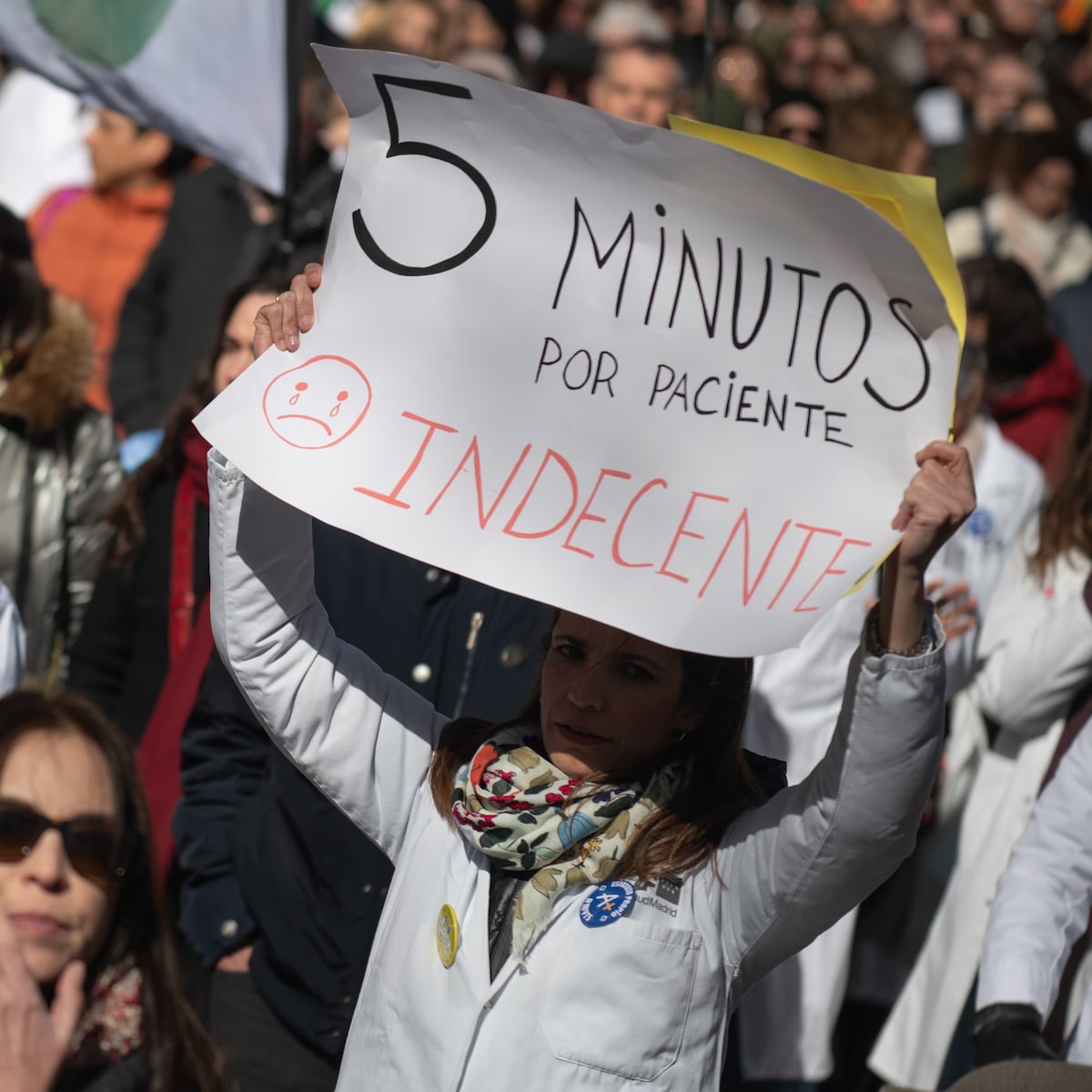
Four decades later, the system faces fresh challenges despite its enduring popularity. Reports indicate that while public spending on health has increased significantly—growing by approximately 80% over the last decade according to recent analyses—waiting times for surgical procedures have reached record highs, primary care services are overwhelmed, and public satisfaction has declined. These pressures have prompted experts to argue that the system’s struggles stem not from insufficient funding but from organizational and managerial inefficiencies.
Analysts point to several structural issues contributing to the strain. These include unstable staffing patterns, excessive bureaucratic procedures, limited autonomy for individual healthcare centers, and a governance structure that is highly politicized and fragmented across Spain’s 17 autonomous communities. Each region manages its own health services under a decentralized model, leading to variations in access, quality, and efficiency that have raised concerns about territorial equity.
Proposed solutions focus on targeted reforms rather than wholesale legislative change. Experts recommend increasing flexibility in hiring practices, improving coordination between primary care, hospitals, and social services, and establishing an independent agency to oversee system management and reduce political interference. Such measures aim to enhance responsiveness and efficiency while preserving the core principles of universality and solidarity that have defined Spanish healthcare since 1986.
The financing model remains rooted in the 1986 framework, with the majority of funding flowing from the central government to autonomous communities through general state transfers and specific earmarked taxes, such as the so-called “health cent” on fuel. While mutual insurance schemes for civil servants still incorporate some payroll-based contributions, the bulk of the system operates on tax financing, ensuring that healthcare access is not contingent on employment status.
As Spain reflects on four decades of universal healthcare, the anniversary serves as both a celebration of a enduring social commitment and a call to address evolving demands. The consensus among policymakers and professionals is clear: the foundations of the system remain sound, but adapting its management to 21st-century realities is essential to sustain its reputation as one of the world’s most effective public health models.
Looking ahead, the next major opportunity for reassessment will reach with the annual Interterritorial Council of the National Health System meeting, where representatives from the central government and all autonomous communities convene to discuss policy, funding, and coordination. Official dates for the 2026 summit have not yet been published, but historical patterns suggest it typically occurs in the latter half of the year. Updates will be available through the Ministry of Health’s official website and regional health service portals.
What are your thoughts on how Spain can strengthen its healthcare system for the next 40 years? Share your perspective in the comments below, and help spread informed discussion by sharing this article with others interested in public health policy and social reform in Europe.