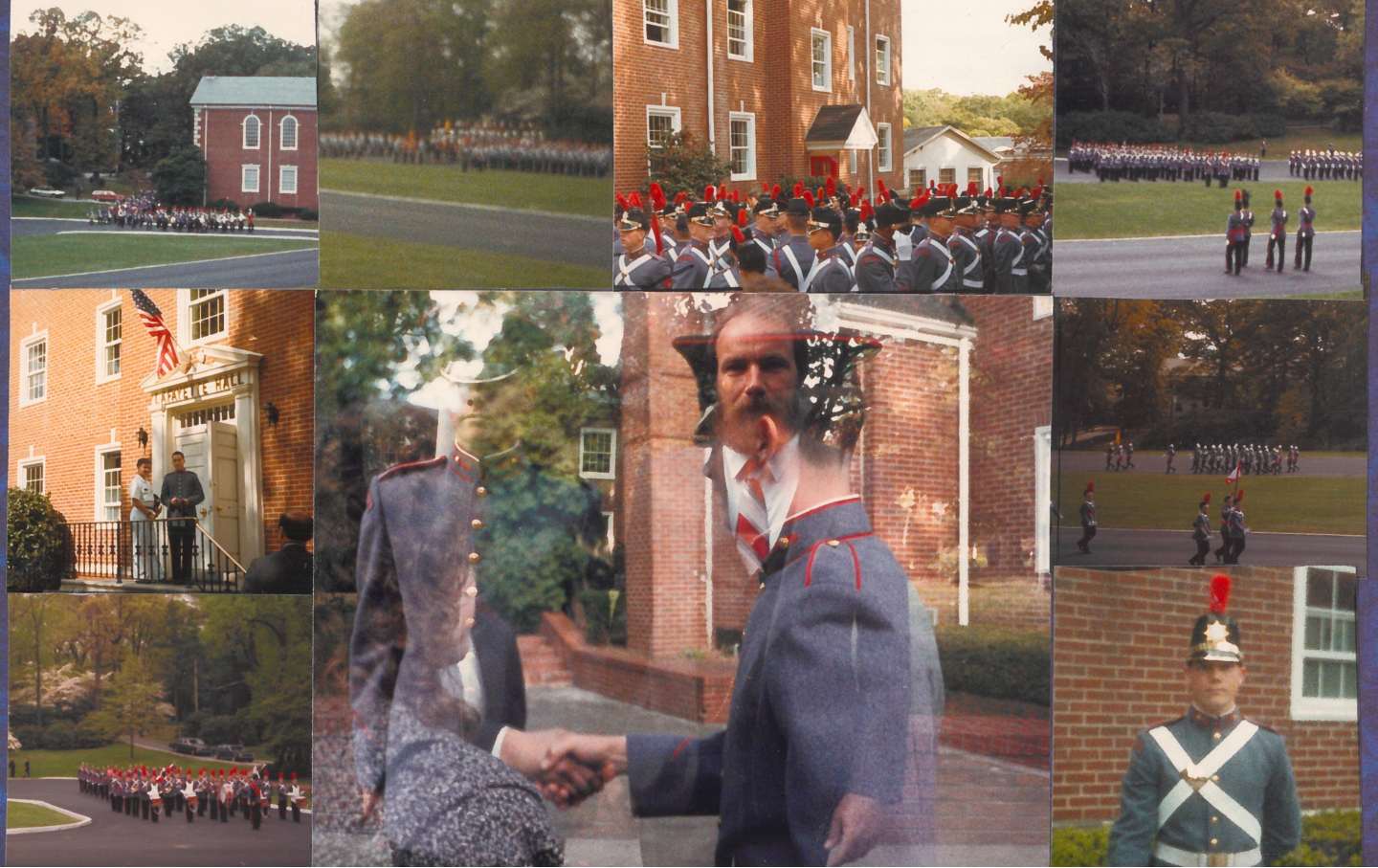
The Warrior Paradox: How Military Culture and Traditional Masculinity Impact Men’s Mental Health
For decades, the archetype of the successful service member has been defined by an unwavering sense of stoicism, emotional control, and physical toughness. In the high-stakes environments of combat and tactical operations, these traits are not merely personality quirks; they are essential survival mechanisms. The ability to suppress fear, ignore pain, and maintain a singular focus on the mission is what allows units to function under extreme duress.
However, a growing body of psychological research and clinical observation suggests that the very mindset cultivated to ensure survival in the field may become a profound liability in civilian life. As veterans transition from the structured, mission-oriented environment of the military to the complexities of domestic life, the “warrior mindset”—characterized by rigid adherence to traditional masculinity—can contribute to a significant mental health crisis. The challenge lies in the tension between the psychological tools required for combat and the emotional flexibility required for long-term psychological well-being.
Understanding the impact of military masculinity on mental health requires looking beyond individual resilience and examining the systemic cultural norms embedded within military institutions. This intersection of identity, training, and trauma is shaping a new conversation regarding veteran care, the definition of strength, and the long-term social costs of the military way of life.
The Architecture of the Warrior Mindset
Military training is designed to produce a specific psychological profile: one that prioritizes the collective over the individual and emotional regulation over emotional expression. This socialization process often emphasizes “stoicism,” a trait that involves the endurance of pain or hardship without a display of feelings and without complaint. While this is critical for maintaining discipline in a platoon, it can lead to a pattern of emotional suppression that persists long after service ends.
Psychologists note that there is a vital distinction between emotional regulation—the ability to manage one’s emotions effectively—and emotional suppression—the attempt to forcibly push emotions away. In military contexts, the line between these two is often blurred. When service members are trained to view vulnerability as a threat to mission readiness or unit cohesion, they may adopt suppression as a primary coping mechanism. Over time, this can lead to an inability to process traumatic events, as the mental “armor” used to survive a deployment prevents the individual from accessing the emotional processing necessary for healing.
This culture of toughness often creates a feedback loop. To excel in a hierarchy that prizes strength, men may feel compelled to perform a version of masculinity that excludes any sign of psychological struggle. This performance can isolate individuals, making it difficult to form the deep, vulnerable connections that are essential for mental health and social support.
The Clinical Connection: Masculinity and Trauma
The correlation between traditional masculine norms and mental health outcomes is becoming increasingly clear in clinical settings. Research has indicated that a rigid adherence to traditional masculinity—often characterized by dominance, self-reliance, and the avoidance of “feminine” traits like emotionality—can be a risk factor for various psychological issues.
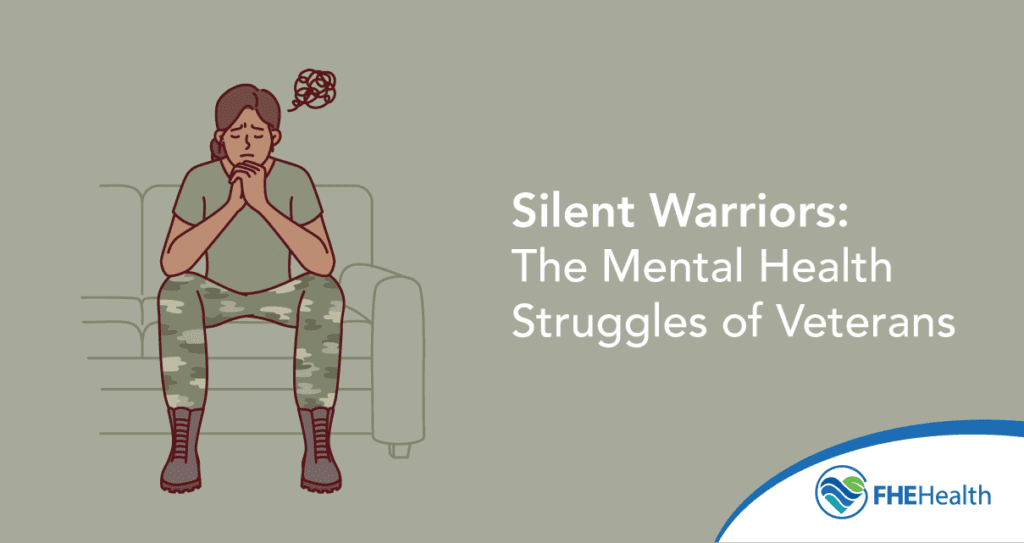
Specifically, studies have suggested that veterans who strictly adhere to these traditional masculine roles may face an increased risk of developing Post-Traumatic Stress Disorder (PTSD). The American Psychological Association has explored how these socialized norms can influence how trauma is experienced and reported. When a person’s identity is built upon the foundation of being “unbreakable,” the experience of trauma can feel like a fundamental failure of character rather than a natural response to an extreme event.
This connection has several cascading effects:
- Delayed Help-Seeking: The stigma surrounding mental health in hyper-masculine environments often prevents men from seeking professional help until a crisis occurs.
- Increased Risk of Substance Abuse: When emotional expression is discouraged, individuals may turn to alcohol or drugs as a way to self-medicate or “numb” the emotions they are unable to process verbally.
- Comorbidities: The intersection of suppressed trauma and traditional masculinity can exacerbate other issues, including depression, anxiety, and increased rates of suicidal ideation.
The U.S. Department of Veterans Affairs continues to monitor these trends, recognizing that the mental health of veterans is a critical public health priority. The complexity of these issues means that treatment must often address not just the trauma itself, but the cultural identity that the veteran carries.
The Reintegration Crisis: Identity Beyond the Uniform
One of the most significant challenges for veterans is the “identity shock” that occurs during the transition to civilian life. In the military, an individual’s purpose, social circle, and daily routine are clearly defined by rank, mission, and brotherhood. The military mindset provides a complete framework for how to exist in the world.
When that framework is removed, many men find themselves in a vacuum. The skills that made them successful in the military—extreme discipline, a focus on hierarchy, and emotional detachment—may not translate effectively to civilian workplaces or family dynamics. A veteran may struggle to find meaning in roles that lack the high-stakes intensity of service, leading to a sense of purposelessness that can trigger or worsen mental health struggles.
the “warrior” identity can create friction within families. Spouses and children may struggle to connect with a partner who has been conditioned to prioritize emotional distance and self-reliance. This can lead to a breakdown in domestic stability, further isolating the veteran and reinforcing the cycle of withdrawal and suppression.
Breaking the Silence: Institutional Evolution
Recognizing these challenges, there has been a slow but discernible shift within military and veteran support institutions toward a more nuanced understanding of psychological resilience. The conversation is moving away from viewing mental health as a sign of weakness and toward viewing it as a component of “combat readiness” and long-term survivability.

Modern approaches to veteran care are increasingly focusing on “psychological flexibility”—the ability to stay in contact with the present moment and change or persist in behavior when doing so serves one’s values. This is a direct counterpoint to the rigid, suppressive mindset of traditional military culture. Programs are being developed to help veterans reframe strength as the ability to confront one’s emotions and seek support when necessary.
However, institutional change remains a work in progress. While policy and clinical understanding are evolving, the cultural norms within many active-duty units remain deeply rooted in traditional masculinity. Bridging the gap between the tactical requirements of the mission and the psychological requirements of the human being remains one of the most significant hurdles for military leadership and veteran advocates alike.
Key Takeaways
- The Stoicism Trap: While emotional suppression can aid survival in combat, it often contributes to long-term mental health issues like PTSD and depression.
- Identity Conflict: The transition from a mission-driven military identity to a civilian one often causes significant psychological distress.
- Masculinity as a Risk Factor: Rigid adherence to traditional masculine norms can act as a barrier to seeking necessary mental health treatment.
- The Need for Resilience: Modern veteran care is shifting toward promoting psychological flexibility rather than just emotional suppression.
As research continues to evolve, the next major milestone in this discourse will be the release of updated longitudinal studies by the Department of Veterans Affairs regarding the long-term efficacy of mental health interventions tailored specifically for masculine-coded cultural backgrounds. Monitoring these findings will be essential for developing more effective, culturally competent care.
What are your thoughts on the evolution of military culture and mental health? Do you believe institutions are doing enough to support the transition to civilian life? Let us know in the comments below and share this article to join the conversation.
Related reading