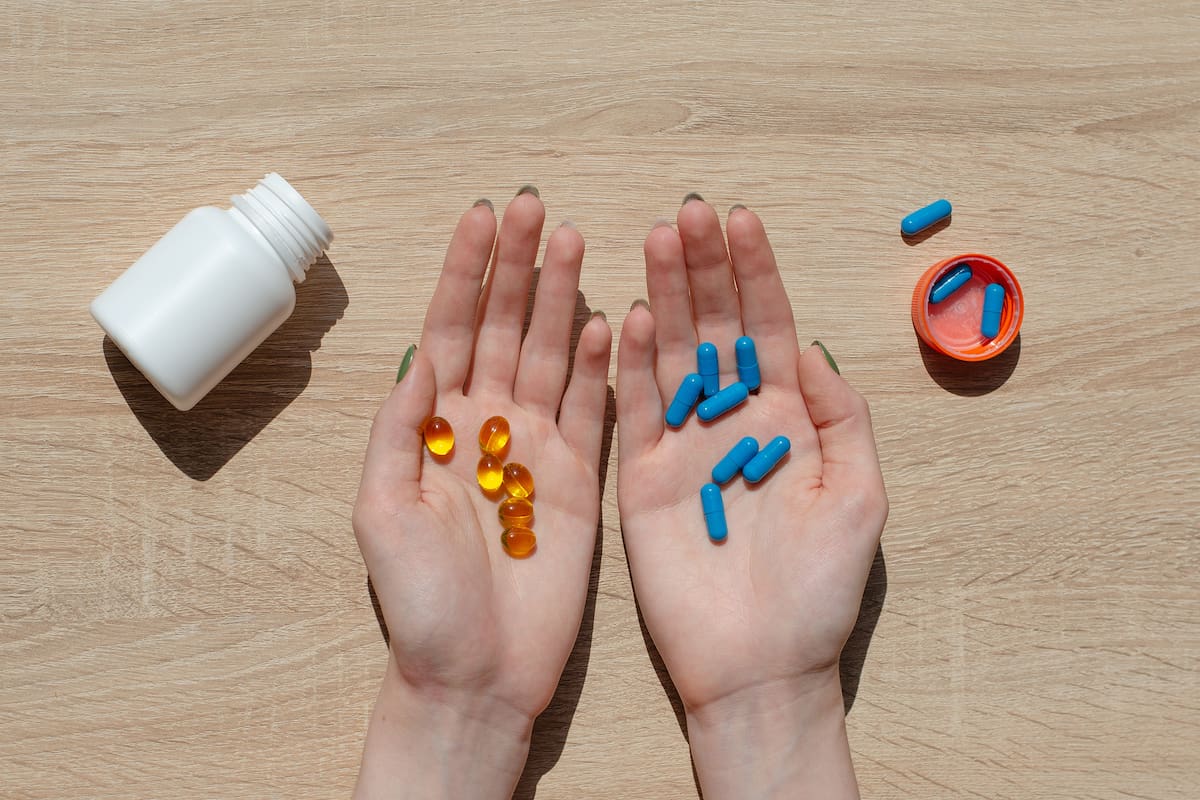
The placebo effect represents a complex neurobiological response where the brain’s expectation of therapeutic relief triggers tangible changes in how the body processes symptoms, particularly pain. Rather than being a simple trick of the mind, this phenomenon involves a sophisticated connection between cognitive anticipation and physiological healing, often resulting in genuine, measurable improvements for patients in clinical settings.
As a physician, I have observed that the distinction between a “fake” treatment and a therapeutic outcome is increasingly blurred by modern research. Understanding this mechanism is vital for both patients and clinicians, as it underscores how our internal psychological states can directly influence physical wellbeing. According to Harvard Health Publishing, this process is most effective for conditions modulated by the brain, such as pain management, fatigue, and nausea, rather than structural diseases like tumors or high cholesterol.
The Biology of Expectation
The core of the placebo effect lies in the brain’s ability to modulate bodily sensations. When a patient believes they are receiving an effective treatment, the brain can initiate a cascade of neurochemical processes. This isn’t just “positive thinking” in a colloquial sense; it is a functional shift in the brain-body connection. Clinical trials rely on this phenomenon by comparing active treatments against inert substances—such as sugar pills or saline injections—to ensure that the observed benefits of a new drug truly stem from its pharmaceutical properties rather than the patient’s expectation of improvement.
In a controlled medical trial, the difference between the outcome of an inert treatment and the result of receiving no treatment is defined as the placebo effect. As noted by Wikipedia, researchers must ensure that placebos are indistinguishable from the experimental treatment, a practice designed to shield participants from knowing which intervention they are receiving. This blinding is essential because the expectations of both the patient and the clinician can fundamentally alter the perceived efficacy of a medical trial.
Clinical Accuracy and Ethical Considerations
While the placebo effect can lead to meaningful symptomatic relief, it is not a cure-all. Medical experts emphasize that while a patient may feel significantly better, the underlying pathology remains unchanged. For example, a placebo cannot shrink a tumor or alter lipid levels in the blood. Its primary utility remains in managing the perception of symptoms, which is why it is frequently studied in the context of chronic pain and stress-related conditions like insomnia.
The use of placebos in clinical practice also brings significant ethical questions to the forefront. When a doctor provides an inert substance disguised as an active medication, it risks undermining the integrity of the patient-provider relationship. Informed consent is a cornerstone of modern medicine; bypassing this by providing a placebo without the patient’s knowledge is widely viewed as a breach of professional ethics. Transparency remains the standard for maintaining trust in healthcare settings.
The Role of Statistical Factors
Not every improvement observed during a trial is the result of a placebo effect. Researchers must account for natural fluctuations in health, a phenomenon known as “regression to the mean.” This is a statistical principle where an unusually high or low measurement is likely to be followed by a less extreme result regardless of any intervention. In longitudinal health tracking, this can sometimes be mistaken for a treatment effect, highlighting why rigorous methodology is required to validate whether a patient’s improvement is truly linked to the placebo or simply a natural course of recovery.
For those interested in the evolving standards of clinical research, organizations like the European Association of Science Editors provide guidance on the reporting of medical trials to ensure that data regarding placebo responses is communicated with the necessary nuance and accuracy.
We invite our readers to continue this conversation. How have your experiences with medical expectations shaped your understanding of health? Please share your thoughts in the comments section below as we monitor future developments in neuro-health research and clinical guidelines.