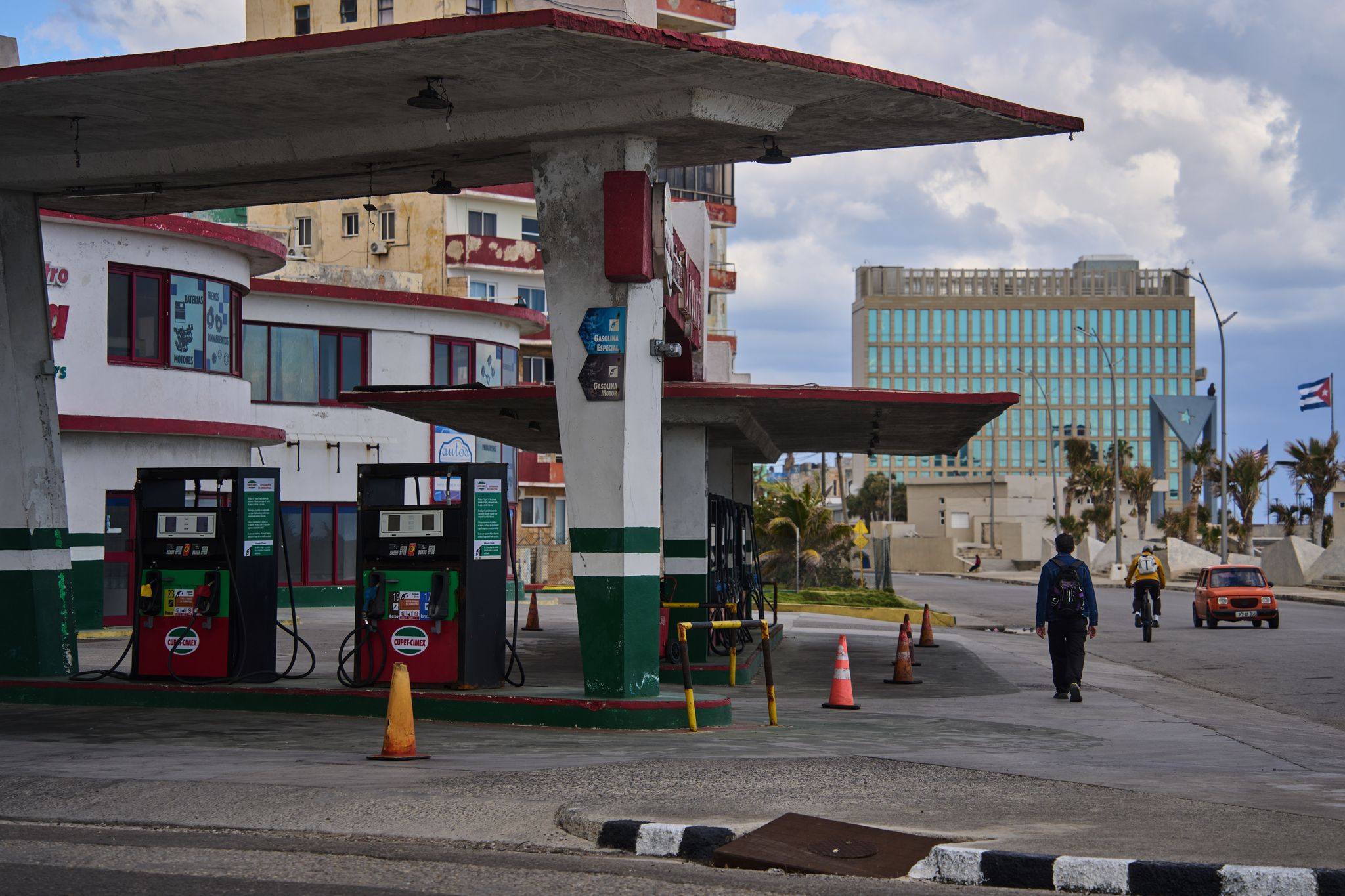
The United States Department of the Treasury has imposed new economic sanctions on a Cuban state-owned entity involved in the oil and gas sector, marking a significant escalation in ongoing diplomatic and economic tensions between Washington and Havana. The sanctions, which target specific vessels and companies linked to the transport of oil, are part of a broader U.S. strategy to restrict the Cuban government’s access to energy resources and foreign currency, according to an official statement from the U.S. Department of the Treasury.
This development comes as the Caribbean nation faces a deepening energy crisis, characterized by frequent power outages and severe fuel shortages that have impacted both the national grid and daily civilian life. The U.S. government maintains that these measures are intended to hold the Cuban leadership accountable for human rights concerns and the suppression of political dissent, while Cuban officials consistently describe the sanctions as an illegal “blockade” that exacerbates the country’s economic suffering.
Understanding the Scope of U.S. Sanctions on Cuban Energy
The recent administrative actions target entities accused of facilitating the shipment of oil to Cuba, often by circumventing international maritime regulations. By designating these companies and vessels under the Office of Foreign Assets Control (OFAC) sanctions list, the U.S. effectively freezes any assets held within American jurisdiction and prohibits U.S. persons or entities from engaging in business dealings with the sanctioned parties, as detailed in the Federal Register.
Geopolitical analysts note that these sanctions are not isolated but part of a multi-decade framework of economic pressure. Unlike previous iterations of U.S. policy, current measures often leverage complex financial tracking to identify “shadow fleet” tankers that obscure their origin or destination to bypass monitoring. The goal is to pressure the Cuban government by limiting the fuel supplies necessary to operate the state-run power plants that provide electricity to the island’s 11 million residents.
The Impact of Fuel Shortages on the Cuban Population
The practical consequences of these international restrictions are felt most acutely by the Cuban public. According to reports from Reuters, the country has struggled with widespread, multi-day blackouts that have crippled infrastructure, forced the closure of schools, and disrupted hospital operations. The government in Havana has frequently cited the difficulty of purchasing fuel on the global market due to the threat of secondary U.S. sanctions against potential suppliers.

While the U.S. government provides humanitarian exemptions for food and medicine, the reality of the energy sector remains tightly constrained. International observers point out that the lack of hard currency, compounded by the sanctions, prevents the state from performing essential maintenance on aging thermoelectric plants. This creates a cycle where the infrastructure fails, and the resources to repair it are restricted, leading to the current energy instability.
Diplomatic Responses and the Path Forward
Cuban Foreign Minister Bruno Rodríguez has repeatedly condemned these actions, asserting that the policy is designed to induce social collapse. In international forums, the Cuban government highlights the lack of support for the U.S. embargo among United Nations member states, often citing the annual General Assembly votes that overwhelmingly call for an end to the sanctions. However, the U.S. administration continues to argue that its focus remains on supporting the Cuban people’s aspirations for democratic change and fundamental freedoms.
The tension is further complicated by the involvement of third-party nations, such as Venezuela and Russia, which have historically provided oil shipments to Cuba. The U.S. has frequently warned these nations that facilitating such trade could trigger its own set of repercussions. As of late 2024, there are no immediate signs of a diplomatic thaw or a bilateral agreement that would result in the easing of these energy-sector sanctions.
What Happens Next in U.S.-Cuba Relations
The next major checkpoint for these policies will likely be the ongoing review of the “State Sponsor of Terrorism” designation, which the Cuban government has lobbied to have removed. While the U.S. Department of State maintains that the current designation is based on Cuba’s harboring of fugitives and support for other regional actors, it remains a central point of contention in all diplomatic discourse.

For those following these developments, the U.S. Treasury’s OFAC portal provides the most accurate and up-to-date list of sanctioned entities and individuals. Observers should monitor official press releases from both the White House and the Cuban Ministry of Foreign Affairs for any shifts in policy regarding energy imports or humanitarian aid corridors. We encourage our readers to participate in the conversation by sharing their perspectives on the effectiveness of economic sanctions in modern diplomacy in the comments section below.
Worth a look