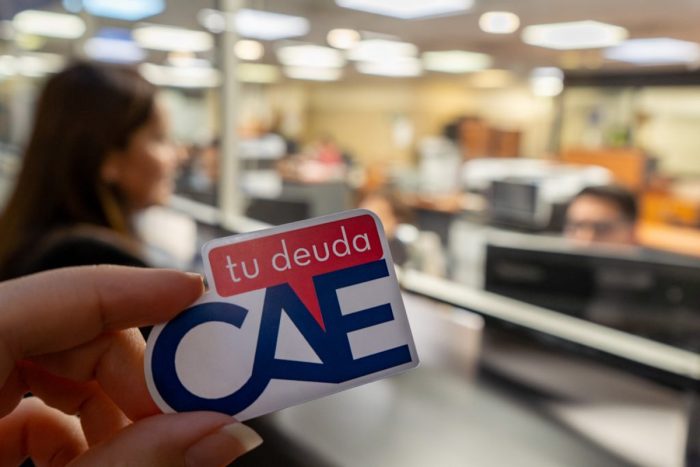
Individuals in Chile with unpaid Crédito con Aval del Estado (CAE) loans can check for potential bank account seizures by accessing the Tesorería General de la República (TGR) official website. By entering a RUT (Rol Único Tributario) in the debt consultation section, users can verify if their student loan debt has been transferred to the TGR for administrative collection and subsequent account embargoes.
The transition of student loan debt from private or state-managed entities to the national tax authority marks a significant shift in the collection process. Once a debt is registered with the Tesorería, the government possesses the legal mandate to initiate administrative collection procedures, which may include the freezing of liquid assets in personal bank accounts.
How can you check if you are on a bank account embargo list in Chile?
To determine if outstanding CAE debt has resulted in an embargo or a collection order, debtors must use the official digital tools provided by the Chilean government. The process is centralized through the Tesorería General de la República (TGR), which manages the collection of various state-related debts.
The following steps outline the standard procedure for verifying debt status:
- Access the Official Portal: Visit the Tesorería General de la República website.
- Locate Debt Consultation: Look for the section labeled “Consulta de Deuda” or “Deuda de Cartera.”
- Provide Identification: Enter your RUT (Rol Único Tributario) into the designated field.
- Review Results: The system will display any pending debts associated with that ID. If the CAE debt has been transferred to the TGR, it will appear as an active obligation.
If a debt appears in the system, it indicates that the collection process has moved beyond the initial lender and is now being handled by the state. This status often precedes more aggressive collection actions, such as the seizure of funds from checking or savings accounts.
Why does CAE debt lead to Tesorería General de la República actions?
The Crédito con Aval del Estado (CAE) is a state-guaranteed student loan program designed to facilitate higher education access. However, when borrowers fail to meet the repayment schedules established by their respective financial institutions, the debt can be classified as delinquent. Under Chilean law, certain types of delinquent debts, including those backed by the state, can be transferred to the TGR for recovery.
The transfer to the TGR occurs when the original creditor can no longer collect the funds through standard private methods. Once the TGR assumes control, the debt is treated as a tax-related obligation. This change in status grants the agency “cobranza administrativa” (administrative collection) powers. These powers allow the agency to act without immediate judicial intervention to recover the owed amount, which is a much faster process than traditional court-ordered collections.
The primary objective of the TGR in these cases is to recover the public funds used to guarantee the loan. Consequently, the agency uses all available administrative tools to ensure the debt is settled, including the identification and seizure of bank balances.
Understanding the bank account embargo process in Chile
An embargo on bank accounts, or “embargo de cuentas bancarias,” is a legal mechanism used to secure the payment of a debt. In the context of CAE debt managed by the TGR, this process generally follows a specific administrative sequence.
First, the TGR identifies the debtor’s assets through coordination with the banking system. Once a debt is confirmed as unpaid and the administrative collection phase is active, the agency can issue an order to financial institutions to withhold specific amounts from the debtor’s accounts. This amount is typically equivalent to the total debt, including accumulated interest and administrative fees.
It is important to distinguish between different types of collection. Administrative collection is handled directly by the TGR, whereas judicial collection requires a court order. However, the TGR’s administrative authority is broad enough to allow for the direct freezing of accounts to satisfy state-guaranteed obligations. Once the funds are seized, they are applied toward the outstanding balance of the CAE debt.
Debtors often report discovering these seizures only when they attempt to make a transaction or withdraw funds, highlighting the necessity of regular monitoring through the TGR portal.
What are the consequences of unpaid student loans in Chile?
The implications of failing to manage CAE debt extend beyond the immediate risk of bank account seizures. Financial delinquency in Chile can trigger a cascade of secondary effects that impact a person’s long-term economic stability.
Credit Rating Impact: Unpaid debts are frequently reported to commercial credit bureaus, such as DICOM (Data Information Center for Management of Operations and Credit). A negative entry in these databases can prevent individuals from obtaining mortgages, car loans, or even certain types of employment that require financial background checks.
Increased Debt Totals: Interest rates and administrative penalties applied during the TGR collection phase can significantly increase the original principal of the CAE loan. What began as a manageable monthly payment can escalate into a substantial lump-sum requirement.
Loss of Liquidity: The freezing of bank accounts can leave individuals unable to cover essential living expenses, such as rent, utilities, or food, if their primary source of income is held in a seized account. This creates a cycle of financial instability that is difficult to break without formal intervention.
How to resolve outstanding debts with the Tesorería
If a debtor finds they are facing collection actions or an embargo, the TGR provides specific mechanisms to resolve the situation and prevent further escalation. Taking proactive steps is generally more effective than waiting for a bank account to be frozen.
Payment Agreements (Convenios de Pago): The TGR allows debtors to enter into formal payment agreements. These “convenios” enable the individual to pay off the debt in installments rather than a single lump sum. Once a payment agreement is signed and the first installment is paid, the collection process—including potential embargoes—is typically suspended.
Direct Payment: For those with the means, paying the total outstanding balance via the TGR website is the fastest way to clear the debt and remove any embargoes. After payment is processed, it may take several business days for the TGR to notify the banking system to release any frozen funds.
Legal Consultation: In complex cases, particularly those involving disputed amounts or errors in the debt calculation, consulting with a legal professional specializing in administrative or financial law is advisable. This is especially true if the debtor believes the debt has already been paid or was incorrectly transferred to the TGR.
Frequently Asked Questions
Can the TGR seize my entire salary?
While the TGR can seize funds from bank accounts, Chilean law includes protections for certain minimum amounts required for basic survival. However, these protections are often complex to navigate and may require legal assistance to enforce if an administrative seizure has already occurred.
How long does it take for an embargo to be lifted after payment?
After the debt is settled or a payment agreement is finalized, the TGR must process the information and communicate with the financial institutions. This process usually takes between 3 to 10 business days, depending on the bank’s internal procedures.
Will my CAE debt appear on my credit report if it is with the TGR?
Yes. Debt held by the TGR is a matter of public record and is typically reflected in commercial credit reports, affecting your ability to access further credit in the Chilean market.
Is there a way to avoid the TGR collection process entirely?
The only way to avoid the TGR process is to maintain regular payments with the original lender or to settle the debt before it is transferred to the state for collection. Once the debt is transferred, the TGR’s administrative powers are legally active.
The next scheduled opportunity for debtors to review their status is through the continuous updates provided on the Tesorería General de la República’s digital platform. We encourage readers to monitor their financial standing regularly to avoid sudden liquidity issues.
Do you have questions about managing student debt or navigating the TGR process? Share your thoughts in the comments below or share this article with someone who may find it helpful.
Worth a look