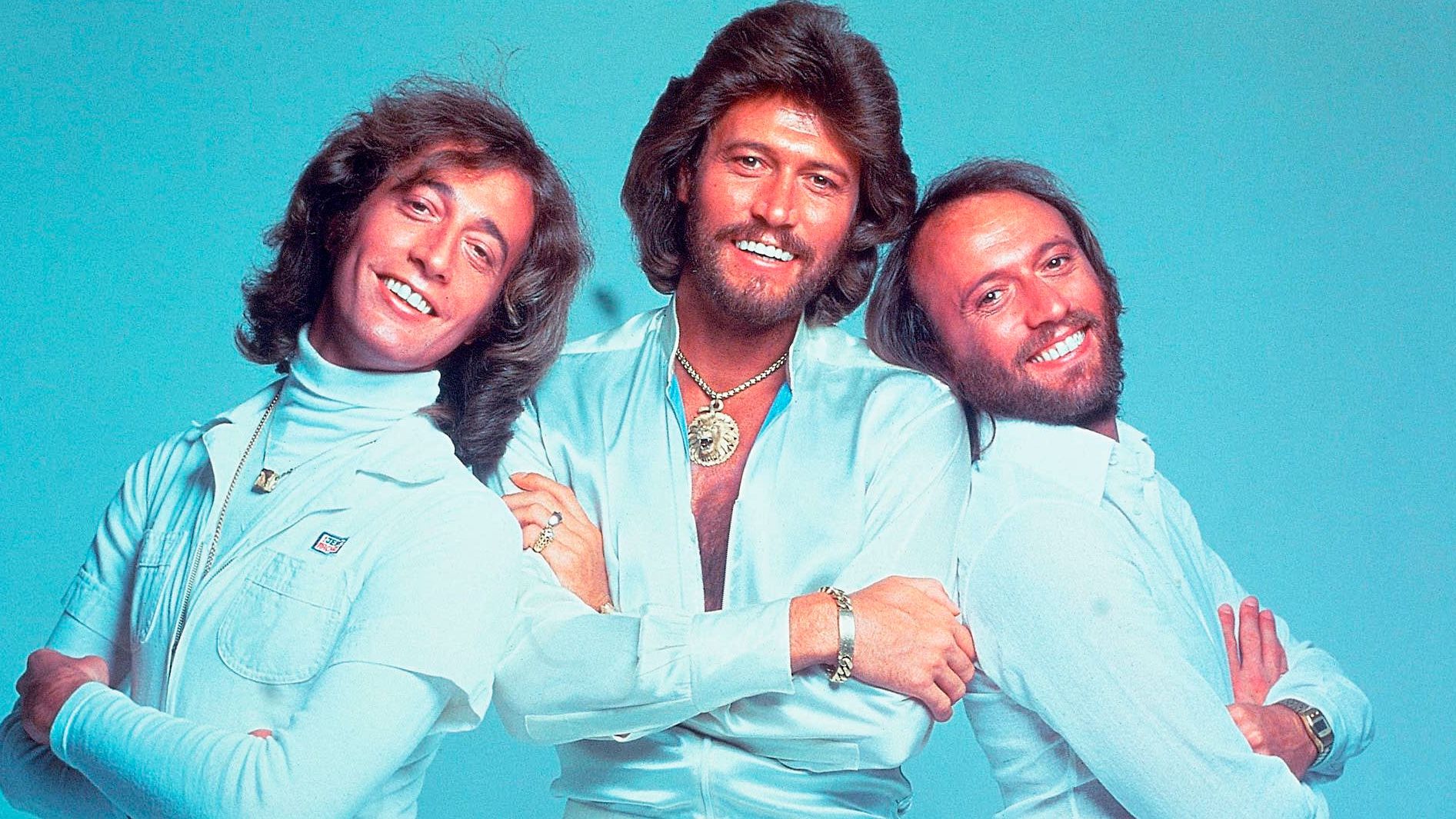
The war against disco music refers to a widespread cultural backlash in the late 1970s that targeted the genre’s popularity and its social origins. This movement, which culminated in the 1979 Disco Demolition Night, is viewed by historians and cultural critics as a reaction against the music’s deep connections to Black, Latino, and LGBTQ+ communities.
The rise and fall of disco music represents more than a shift in radio programming; it serves as a case study in how mainstream culture reacts to the visibility of marginalized groups. While the genre dominated global charts in the mid-to-late 1970s, a concentrated movement led by rock enthusiasts and radio personalities sought to dismantle its influence, ultimately triggering a period of intense social and musical friction.
The Social Roots of Disco as a Minority Sanctuary
Before disco became a global commercial juggernaut, it functioned as an underground sanctuary for marginalized populations in urban centers, most notably in New York City. During the early 1970s, the genre emerged from private loft parties and underground clubs that provided safe spaces for individuals who were often excluded from mainstream social venues.
According to cultural historians, these spaces were essential for Black and Latino communities, as well as the LGBTQ+ community. In these environments, the dance floor acted as a site of empowerment and identity formation. The music, characterized by its steady “four-on-the-floor” beat and lush orchestration, provided a rhythmic backdrop for social liberation. For many in the LGBTQ+ community, disco clubs were among the few locations where they could express their identity openly without the immediate threat of legal or social repercussions.
One of the most influential figures in this early era was David Mancuso, whose “The Loft” parties in New York City helped define the communal and inclusive spirit of the genre. Unlike commercial clubs, these gatherings prioritized high-fidelity sound and a sense of shared experience among diverse groups. The music was not merely entertainment; it was a tool for community building among those living on the fringes of society.
The Mainstream Explosion and the Rise of Backlash
The transition of disco from underground subculture to mainstream dominance began in the mid-1970s. The 1977 release of the film Saturday Night Fever, featuring a soundtrack by the Bee Gees, acted as a catalyst that brought disco into the suburban mainstream. As the genre moved from the clubs of New York and Philadelphia to the airwaves of middle America, it underwent a significant commercial transformation.

This commercialization created a divide between the genre’s original practitioners and its new, mass-market audience. As disco artists began to dominate the Billboard charts, a counter-movement began to coalesce among fans of rock and roll. Critics of the genre often characterized disco as “manufactured,” “superficial,” or “mechanical,” contrasting it with the perceived “authenticity” of rock music.
However, many social analysts argue that the vitriol directed at disco was not solely about musical preference. The “Disco Sucks” movement, which gained momentum through syndicated radio programs, frequently utilized coded language. Critics of the era often targeted the genre’s association with Black, Latino, and queer identities, suggesting that the backlash was a defensive reaction to the increasing visibility of these groups in the cultural mainstream.
Disco Demolition Night: The Comiskey Park Incident
The tension between disco enthusiasts and its detractors reached a violent breaking point on July 12, 1979. An event known as “Disco Demolition Night” was organized at Comiskey Park, the home of the Chicago White Sox, as a promotional stunt designed to vent the frustrations of rock fans.
The event was spearheaded by Chicago radio DJ Steve Dahl, who had become a prominent voice in the anti-disco movement. The premise was simple: fans were encouraged to bring disco records to the stadium to be blown up on the field in exchange for admission. According to historical reports of the event, the turnout far exceeded expectations, leading to overcrowding and chaos within the stadium.
When the explosion of the records occurred, the situation quickly escalated from a promotional stunt into a riot. Large crowds swarmed the field, and much of the stadium’s infrastructure sustained damage. The incident resulted in numerous arrests and served as a highly visible, albeit destructive, symbol of the era’s cultural divisions. The event is frequently cited by music historians as the symbolic “death” of the disco era, though the genre’s influence would soon undergo a metamorphosis.
The Sociopolitical Undercurrents of the “Disco Sucks” Movement
While the “Disco Sucks” campaign was framed by its proponents as a defense of musical integrity, contemporary sociological analysis suggests a more complex motivation. The movement coincided with a period of significant social change in the United States, including the burgeoning civil rights movements and the early stages of the modern gay rights movement.

Historians note that the aggressive nature of the backlash often mirrored the racial and homophobic prejudices of the time. The dismissal of disco as “non-authentic” was frequently used to delegitimize the cultural contributions of the minority groups that had birthed the genre. By attacking the music, the movement effectively attacked the social spaces and identities that the music represented.
This intersection of music, race, and sexuality remains a central theme in the study of 1970s pop culture. The “war” was not merely a battle between genres, but a struggle over which cultural identities were permitted to occupy the center of the American mainstream.
The Evolution: From Disco to House and Beyond
Despite the intense backlash and the perceived “death” of disco following the 1979 riots, the genre did not disappear. Instead, it went back underground, evolving into new forms that would eventually reshape global electronic music. As the mainstream focus shifted back toward rock and new wave, the rhythmic foundations of disco were adopted and refined by DJs in Chicago and Detroit.
In Chicago, the evolution of disco led directly to the birth of House music. House music took the soulful vocals and driving beats of disco and integrated them with newer electronic technologies, such as drum machines and synthesizers. Similarly, in Detroit, the genre evolved into Techno. These movements maintained the inclusive, dance-centric ethos of the original disco era while providing a new sonic framework for the 1980s and beyond.
Today, the influence of disco is evident in nearly every facet of modern pop music. From the production styles of contemporary artists to the resurgence of disco-inspired tracks on global dance charts, the genre’s DNA remains a fundamental component of the musical landscape. The “war” may have temporarily pushed disco out of the mainstream, but it failed to extinguish the cultural movements that the music helped to empower.
Summary of the Disco Era and Backlash
| Era/Event | Primary Characteristic | Cultural Impact |
|---|---|---|
| Early 1970s (Underground) | Safe spaces for Black, Latino, and LGBTQ+ communities. | Empowerment and identity formation through dance. |
| Mid-to-Late 1970s (Mainstream) | Commercial dominance and massive chart success. | Increased visibility of disco, leading to cultural friction. |
| July 12, 1979 (Demolition Night) | Violent backlash at Comiskey Park, Chicago. | Symbolic “end” of disco’s mainstream dominance. |
| 1980s to Present (Evolution) | Transition into House, Techno, and modern Pop. | Permanent integration of disco elements into global music. |
The history of disco continues to be studied as a lens through which to understand the relationship between popular music and social identity. As new musical trends emerge, the patterns of acceptance and backlash observed during the disco era remain highly relevant to cultural analysts.
For further updates on music history and cultural reporting, please follow our entertainment section. We welcome your thoughts and comments on the lasting legacy of disco below.
Worth a look