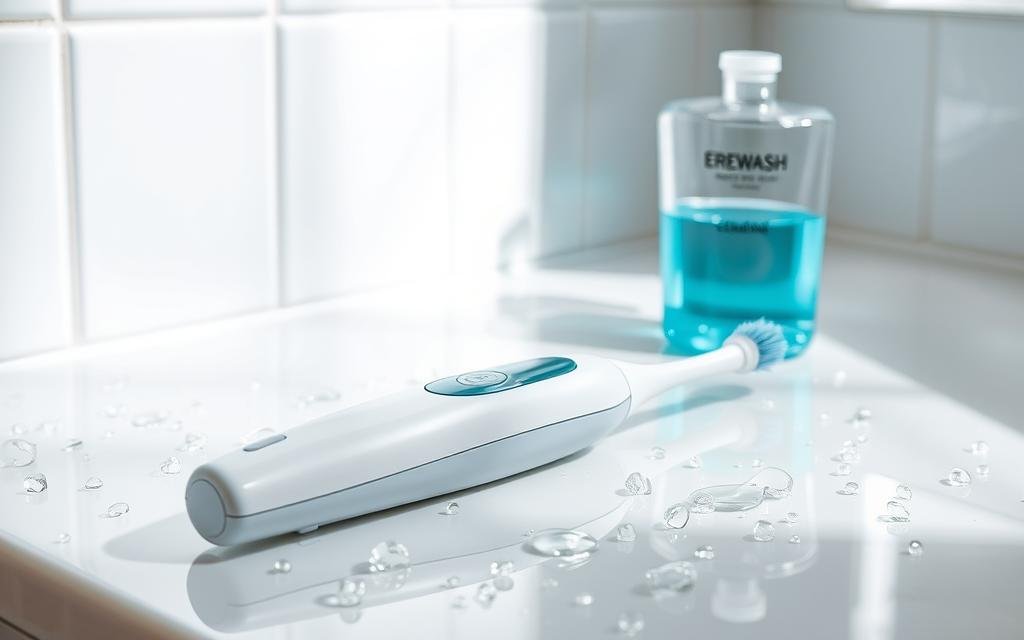
Electric toothbrushes have become a staple in modern oral hygiene routines, offering superior plaque removal and gum stimulation compared to manual brushing. However, their effectiveness depends not only on proper brushing technique but also on how well they are maintained. A neglected brush head can harbor bacteria, mold, and mineral buildup, undermining oral health goals and potentially reintroducing pathogens into the mouth. Keeping an electric toothbrush clean and fresh is not merely about aesthetics—it’s a critical component of preventive dental care.
The warm, moist environment of a bathroom, combined with residual toothpaste and saliva, creates ideal conditions for microbial growth on brush heads and handles. Studies have shown that toothbrushes can become contaminated with strains of Streptococcus mutans, Lactobacillus, and even Candida albicans over time. Whereas the human mouth naturally hosts a diverse microbiome, reintroducing concentrated bacterial loads from an unclean brush may disrupt oral balance, particularly in individuals with compromised immunity or periodontal disease. Dental professionals emphasize that brush hygiene is as important as brushing frequency and duration.
Maintaining an electric toothbrush requires a simple but consistent routine. After each employ, the brush head should be rinsed thoroughly under running water to remove toothpaste, debris, and saliva. Shaking off excess water and storing the brush upright in a well-ventilated area allows it to air-dry, which inhibits bacterial proliferation. Covering the brush head or storing it in a closed container while damp should be avoided, as this traps moisture and encourages mold growth. The handle should also be wiped down weekly with a damp cloth to remove splatter and buildup, particularly around the power button and charging base.
For deeper cleaning, soaking the detachable brush head in an antimicrobial solution once a week can assist reduce microbial load. Options include a mixture of water and hydrogen peroxide (3%), diluted mouthwash containing essential oils or alcohol, or a solution of baking soda and water. The brush head should be submerged for no more than 15 minutes, then rinsed thoroughly before reuse. Some manufacturers recommend ultraviolet (UV) sanitizers, which use UV-C light to inactivate bacteria and viruses. however, the American Dental Association (ADA) notes that while these devices may reduce surface microbes, they are not a substitute for proper rinsing and drying.
Replacing the brush head every three months—or sooner if bristles appear frayed or splayed—is another key practice endorsed by dental associations worldwide. Worn bristles are less effective at cleaning and may damage gum tissue over time. Many electric toothbrush models now include indicator bristles that fade with use, providing a visual cue for replacement. Setting a calendar reminder or aligning replacement with seasonal changes can help users stay consistent.
Sanitization Methods: What Works and What Doesn’t
While rinsing and air-drying form the foundation of brush care, additional sanitization steps can offer extra protection, especially during illness or for those with heightened infection risk. Soaking brush heads in antibacterial mouthwash for 10–15 minutes has been shown in studies to reduce bacterial counts significantly. A 2020 study published in the Journal of International Society of Preventive & Community Dentistry found that essential oil-based mouthwashes reduced Streptococcus mutans contamination on toothbrushes by over 70% after one week of use.
Hydrogen peroxide soaks are also effective; a 3% solution can inactivate a broad spectrum of microorganisms. However, prolonged exposure may degrade certain brush head materials over time, so moderation is key. Boiling brush heads is not recommended, as high temperatures can warp the nylon bristles and damage the plastic base, shortening the brush’s lifespan and compromising safety.
UV sanitizers have gained popularity, with some dental clinics incorporating them into patient care protocols. Research indicates that UV-C exposure can achieve up to a 99.9% reduction in surface bacteria on toothbrushes after a 5–10 minute cycle. A review in Photodiagnosis and Photodynamic Therapy concluded that UV devices are effective adjuncts but should complement, not replace, mechanical cleaning. Users should ensure any UV device they purchase is FDA-cleared or CE-marked for safety and efficacy.
Natural alternatives like vinegar or tea tree oil solutions are sometimes suggested online, but evidence supporting their efficacy on toothbrushes is limited. Vinegar’s acidity may help dissolve mineral deposits but lacks strong antimicrobial validation for oral pathogens. Tea tree oil has demonstrated antifungal and antibacterial properties in lab settings, but its safety for prolonged oral device exposure remains under study, and it may leave residues or affect taste. Until more robust clinical data exists, these methods are best considered experimental.
Travel and Storage Considerations
Maintaining brush hygiene becomes more challenging when traveling, where access to clean water and ventilation may be limited. Using a ventilated travel case that allows airflow is preferable to airtight plastic caps, which create a humid microclimate conducive to mold. If a sealed case must be used, ensuring the brush head is completely dry before storage is essential. Some travelers opt for disposable brush heads during trips, especially when visiting areas with uncertain water quality.
At home, storing the electric toothbrush away from the toilet is advisable. Flushing can aerosolize fecal bacteria, which may settle on nearby surfaces—a phenomenon known as the “toilet plume.” While the risk of infection from this route is low, minimizing exposure aligns with general hygiene best practices. Keeping the brush in a medicine cabinet or on a shelf at least three feet from the toilet reduces potential contamination.
Charging bases should also be cleaned regularly, as moisture and toothpaste residue can accumulate in the charging port or inductive contacts. Unplugging the charger before wiping it with a slightly damp cloth prevents electrical hazards. For models with wireless charging, ensuring the base remains dry helps maintain efficiency and prevents corrosion.
When to Replace Your Electric Toothbrush Head
Dental professionals universally recommend replacing electric toothbrush heads every three months, a guideline supported by the American Dental Association and the British Dental Association. This timeframe accounts for bristle wear, which reduces cleaning efficiency and increases the risk of gum irritation. A study in Clinical Oral Investigations found that plaque removal efficacy dropped by approximately 25% after 12 weeks of use compared to new brush heads.
Visual cues are helpful indicators: splayed, bent, or discolored bristles signal that it’s time for a change. Some users may need to replace heads more frequently—such as those who brush aggressively, have orthodontic appliances, or are recovering from oral infections. In contrast, gentle brushers may extend use slightly beyond three months if bristles remain intact, though this should be the exception rather than the rule.
Many manufacturers now offer subscription services for automatic brush head delivery, helping users stay on schedule. Others integrate smart features via Bluetooth-connected apps that track brushing habits and send replacement alerts based on actual usage time. While convenient, these technologies should not replace personal inspection of brush head condition.
The Role of Oral Health in Overall Wellness
Oral health is increasingly recognized as a window into systemic health. Poor oral hygiene has been associated with conditions such as cardiovascular disease, diabetes, and respiratory infections, although causality remains complex and multifactorial. The theory of “oral systemic link” suggests that chronic inflammation from periodontal disease may contribute to endothelial dysfunction and insulin resistance. While brushing alone cannot prevent these conditions, maintaining a clean oral environment reduces bacterial burden and supports overall health.
For individuals with immunosuppression, such as those undergoing chemotherapy or living with HIV, meticulous brush hygiene is especially important. Opportunistic infections like oral candidiasis can flourish in unclean environments, and a contaminated toothbrush may serve as a reinfection source. In such cases, dental providers may recommend more frequent brush head replacement or daily soaking in antimicrobial solutions under professional guidance.
Children’s electric toothbrushes require similar care, though parents should supervise rinsing and storage to ensure proper drying. Pediatric dentists often recommend replacing children’s brush heads every two months due to higher rates of wear from chewing or biting the brush. Fun designs and timers can encourage compliance, but hygiene fundamentals remain unchanged.
Innovations in Brush Hygiene Technology
Recent advancements aim to simplify brush maintenance while enhancing efficacy. Some newer electric toothbrush models feature self-cleaning bases that use UV-C light or electrostatic pulses to sanitize the brush head when docked. Others incorporate antimicrobial bristles infused with silver nanoparticles or chitosan, which have shown promise in inhibiting bacterial growth in laboratory studies. However, long-term clinical data on safety and durability are still emerging, and regulatory bodies like the FDA classify such claims cautiously.
Smart toothbrushes with pressure sensors and real-time feedback apps not only improve brushing technique but can also monitor usage patterns to suggest optimal replacement timing. While these features add convenience, they do not eliminate the need for basic hygiene practices like rinsing and air-drying.
As research continues, the focus remains on balancing effectiveness, safety, and user accessibility. Dental associations advise consumers to look for products with recognized seals of approval, such as the ADA Seal of Acceptance, which indicates that a product has undergone rigorous evaluation for safety and efficacy.
Keeping an electric toothbrush clean and fresh is a small but vital habit that supports long-term oral health. By combining simple daily rinsing, weekly deep cleaning, proper storage, and timely replacement, users can maximize the benefits of their electric toothbrush while minimizing microbial risks. These practices require minimal time and cost but offer significant returns in hygiene, confidence, and overall well-being.
For those seeking to refine their oral care routine, consulting a dental hygienist or dentist can provide personalized recommendations based on individual needs, brushing habits, and health status. Official guidance from organizations like the American Dental Association (American Dental Association) and the World Health Organization’s oral health portal (World Health Organization) remains a trusted source for evidence-based recommendations.
We invite you to share your own toothbrush care tips or ask questions in the comments below. If you found this guide helpful, please consider sharing it with others who might benefit from a cleaner, healthier smile.
Keep reading