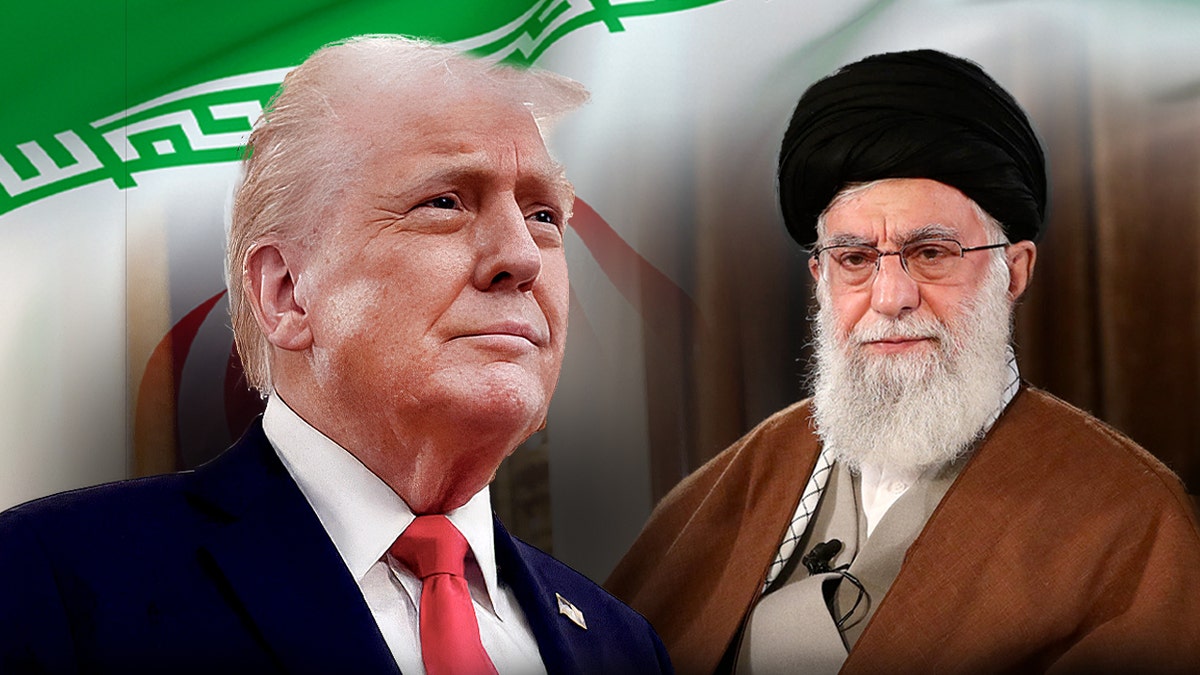
President Donald Trump announced on Tuesday evening the extension of a cease-fire with Iran without specifying a new deadline, aiming to allow for potential negotiations with Tehran. The White House confirmed that Vice President J.D. Vance, tasked with leading possible new discussions with Iran in Pakistan, remains in Washington for additional meetings, delaying his departure.
The decision to prolong the cease-fire comes amid ongoing diplomatic efforts to de-escalate tensions in the Middle East, particularly concerning Iran’s nuclear program and regional influence. While the administration frames the move as a step toward dialogue, the location and timing of any talks remain uncertain, with Pakistan’s role as a potential host still under review.
According to verified reports, the extension was framed as “sine die” — Latin for “without a fixed day” — indicating an open-ended pause in hostilities to create space for diplomacy. This follows a pattern of intermittent truces and stalled negotiations between Washington and Tehran over the past several years, often brokered through third-party intermediaries.
The White House has not released further details on the conditions or framework for any prospective talks, leaving analysts to assess the sincerity and feasibility of renewed engagement. Regional allies, including Saudi Arabia and Israel, have expressed cautious concern about the implications of any U.S.-Iran dialogue, particularly regarding ballistic missile development and support for proxy groups.
Pakistan, which has historically maintained diplomatic channels with both the United States and Iran, was previously suggested as a neutral venue for discussions. But, logistical and political challenges — including domestic instability and foreign policy balancing acts — have cast doubt on whether Islamabad can reliably host such high-level meetings in the near term.
Vice President Vance’s continued presence in Washington underscores the administration’s internal deliberations on the Iran portfolio. As the official tasked with overseeing potential negotiations, his delay in traveling to Pakistan suggests that coordination among U.S. Agencies remains ongoing, or that alternative locations are being considered.
The cease-fire extension does not involve a formal treaty or binding agreement but relies on mutual restraint to prevent escalation. Both nations have adhered to informal understandings in the past to avoid direct military confrontation, even amid heightened rhetoric and regional proxy conflicts.
Economic factors also play a role in the timing of the announcement. With global oil markets sensitive to Middle Eastern instability, any reduction in tension — even temporary — can influence energy prices and investor confidence. Analysts note that sustained de-escalation could ease pressure on global supply chains, particularly for Asian importers reliant on Gulf energy exports.
Humanitarian organizations have welcomed the pause in hostilities, citing reduced risks to civilian populations in border regions and decreased likelihood of accidental escalation. However, they caution that without a verifiable monitoring mechanism, such cease-fires remain fragile and dependent on political will.
Historically, U.S.-Iran talks have faltered over disagreements regarding uranium enrichment levels, sanctions relief, and regional behavior. Previous rounds of negotiation, including those during the Obama and Biden administrations, collapsed due to mutual distrust and shifting domestic politics in both countries.
The current approach reflects a transactional diplomatic style characteristic of the Trump administration, emphasizing direct engagement and flexibility over rigid preconditions. Critics argue this lacks strategic coherence, while supporters view it as pragmatic realism in a volatile region.
As of now, no official date has been set for the resumption of talks, nor has a lead negotiator been formally confirmed beyond Vance’s assigned role. The State Department has not issued a public statement detailing its position on the cease-fire extension or the parameters of any future dialogue.
For ongoing updates, readers are encouraged to monitor official communications from the White House National Security Council and the U.S. Department of State, which periodically release summaries of diplomatic engagements and policy shifts concerning Iran.
If you found this analysis informative, please consider sharing it with others interested in global affairs and leaving a comment below to join the conversation.
Worth a look