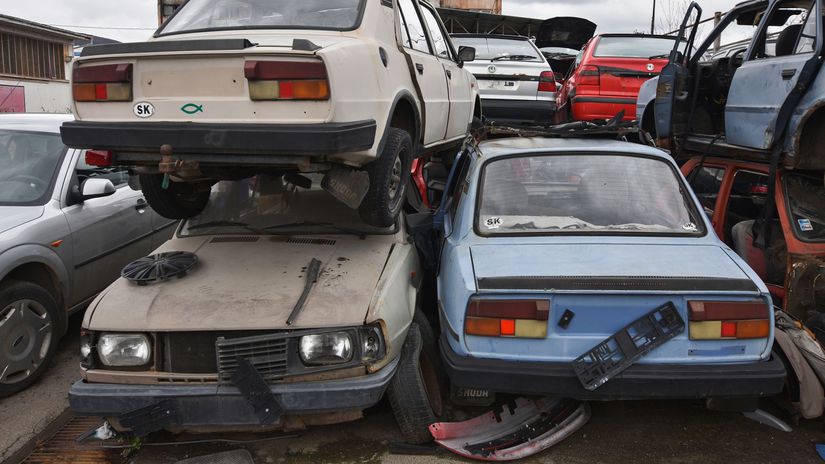
Navigating the bureaucracy of vehicle ownership often involves a series of administrative hurdles, but few are as critical as the process of permanently removing a vehicle from official records. In Slovakia, the procedure for the vyradenie vozidla z evidencie (de-registration of a vehicle) is a mandatory step for owners looking to dispose of a car, whether It’s being scrapped or has ceased to exist.
Understanding the legal obligations and the available channels for this process is essential for any vehicle owner to avoid potential administrative complications. Even as the process can be handled through various means, the timing and the method of application are governed by specific regulations enforced by the Ministry of Interior of the Slovak Republic.
For those managing a fleet or a single private vehicle, the ability to handle these filings electronically or in person provides flexibility. However, the responsibility remains with the owner or the holder of the vehicle to ensure that the state’s records accurately reflect the status of the vehicle, particularly when the vehicle is no longer roadworthy or is being sent for ecological processing.
Who Can Request Vehicle De-registration?
The authority to request the permanent removal of a vehicle from the registry is not limited to the legal owner. According to official guidelines, a request for the vyradenie vozidla z evidencie can be submitted by the owner of the vehicle, the holder of the vehicle, or an authorized person acting on their behalf via the public administration portal.
This flexibility allows for third-party logistics companies or legal representatives to manage the paperwork, provided they have the necessary authorization. The process is designed to ensure that the state maintains an accurate database of all vehicles currently in circulation, which is vital for taxation, insurance, and public safety monitoring.
Where and How to File the Application
Notice two primary methods for completing the de-registration process in Slovakia. Owners can visit any transport inspectorate (dopravný inšpektorát) within the country to perform the action in person. Alternatively, the process can be completed through an electronic service, streamlining the experience for those with digital identification as noted by STK Online.
The choice between a physical visit and an electronic filing often depends on the documentation available. For instance, when dealing with older vehicles, specifically those in categories M1, N1, and L2, there is a prerequisite step involving ecological processing. Ensuring the vehicle is handled by a certified facility is a mandatory part of the environmental chain before the final removal from the registry can be finalized per the government portal.
Deadlines and Legal Obligations
Timing is a critical factor in the de-registration process. The holder and owner of a vehicle are legally obligated to report the permanent removal of a vehicle from the registry—specifically in cases where the vehicle is not subject to further processing—within 30 days from the date the fact occurred according to the Ministry of Interior of the Slovak Republic.
Failure to adhere to this 30-day window can lead to administrative discrepancies. By reporting the removal promptly, owners ensure they are no longer held responsible for the vehicle’s status in official databases, which can impact future vehicle registrations or the settlement of automotive-related taxes.
Key Takeaways for Vehicle Owners
- Eligible Applicants: The owner, holder, or an authorized representative can initiate the request.
- Filing Options: Applications can be submitted at any transport inspectorate or electronically.
- Strict Deadline: Notification must be made within 30 days of the vehicle’s removal.
- Environmental Requirement: Vehicles in categories M1, N1, and L2 must undergo ecological processing first.
For those seeking the most current forms or wishing to employ the electronic filing system, the official government portal and the Ministry of Interior’s website provide the necessary infrastructure to complete these requirements legally and efficiently.
If you have questions about specific vehicle categories or need assistance with the electronic portal, we encourage you to share your experiences in the comments below or share this guide with other vehicle owners.
Worth a look