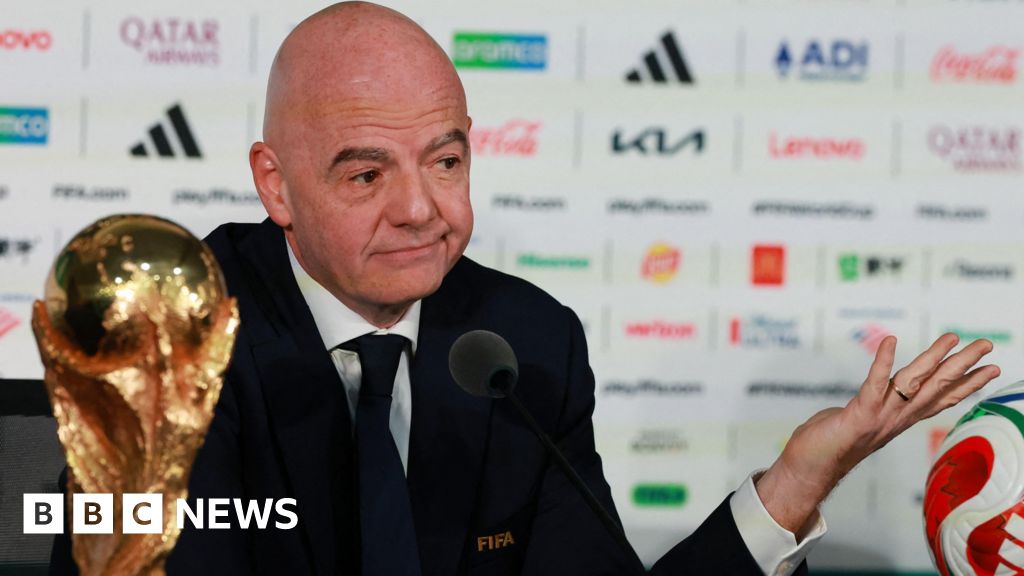
The FIFA World Cup remains one of the most expensive and complex financial undertakings in global sports, creating a stark divide between the immediate economic windfalls for host nations and the long-term fiscal burdens often shouldered by taxpayers. While tournament organizers consistently project massive growth in tourism and infrastructure, independent economic analyses frequently highlight a significant gap between these promises and the eventual reality of post-event debt and underutilized venues.
Hosting a tournament of this scale requires billions in capital expenditure, primarily for stadium construction, transport networks, and security infrastructure. According to the FIFA World Cup 2022 Financial Report, the organization generated record revenues of $7.6 billion during the 2019-2022 cycle, largely driven by broadcasting rights and sponsorship deals. However, the financial benefit for the host nation is rarely as straightforward as the revenue figures reported by football’s governing body.
Economic Impacts on Host Infrastructure
For host cities, the primary financial incentive is the promise of increased tourism and the accelerated development of public infrastructure. In the lead-up to major tournaments, governments often prioritize transport projects—such as metro expansions or airport upgrades—that were already in the planning stages. By tying these projects to a global event, authorities can justify rapid funding and construction timelines.

However, the cost-benefit analysis often shifts once the final whistle blows. As noted in research by the International Monetary Fund, the “white elephant” phenomenon—where massive stadiums are left with little utility after the tournament—remains a major financial risk. Maintaining these facilities often requires ongoing government subsidies, which can drain municipal budgets long after the international visitors have departed.
The impact on local businesses also presents a mixed picture. While hospitality and retail sectors in host cities often report a surge in short-term revenue, these gains are frequently offset by the displacement of regular tourism and the increased cost of living during the event period. According to data tracked by The World Bank, tourism spikes are often highly localized, failing to provide the nationwide economic boost that political proponents of the bid initially promise.
Revenue Distribution and Global Financial Winners
FIFA acts as the primary financial beneficiary of the World Cup, as the organization retains a significant portion of the revenue generated from commercial partnerships and media rights. The distribution model, which includes prize money for participating member associations, is designed to incentivize participation and development globally. For the 2022 tournament, the total prize pot reached $440 million, as reported by the FIFA official prize money breakdown.

While the participating federations receive these funds, the financial success of a tournament for the host nation is often measured by its ability to convert the event into a long-term economic catalyst. Nations that already possess the majority of the required infrastructure—such as those that have previously hosted major international sporting events—tend to suffer fewer financial losses than those that must build from the ground up.
The following table outlines the key areas where financial outcomes typically diverge:
| Stakeholder | Financial Outcome | Primary Driver |
|---|---|---|
| FIFA | High Gain | Broadcasting and Sponsorship Rights |
| Host Nation | Variable | Infrastructure ROI vs. Construction Costs |
| Local Businesses | Short-term Gain | Increased Footfall and Tourism |
The Challenge of Long-Term Sustainability
The financial sustainability of the World Cup has become a central point of contention for potential host cities and countries. The increasing scale of the tournament—with the 2026 edition expanding to 48 teams—means that the logistical and financial requirements for hosting are higher than ever. According to the official 2026 tournament framework, this expansion is intended to increase global engagement, but it also necessitates a larger number of host venues and increased security and logistical spending.
For citizens, the “winner” of the tournament is often the city that can successfully integrate stadium infrastructure into everyday use. Cities that repurpose venues for local sports clubs, community centers, or concert spaces mitigate the long-term maintenance costs that otherwise fall on taxpayers. Conversely, locations that fail to develop a clear post-tournament usage plan frequently see their facilities become financial liabilities.
As the sports industry continues to evolve, the focus of host nations has shifted toward “legacy planning.” This involves negotiating the repurposing of infrastructure before the first stone is laid. Whether this approach will successfully balance the massive costs of hosting against the tangible economic benefits remains a subject of ongoing scrutiny from international financial monitors and local oversight committees.
The next major checkpoint for tournament financial oversight will be the release of the official post-tournament audit for the 2026 North American host cities, which is expected following the conclusion of the event. Readers interested in the long-term fiscal impact of these developments are encouraged to monitor updates from the OECD regarding regional economic development and sports infrastructure funding. Please share your thoughts or questions on this ongoing financial debate in the comments section below.
Related reading