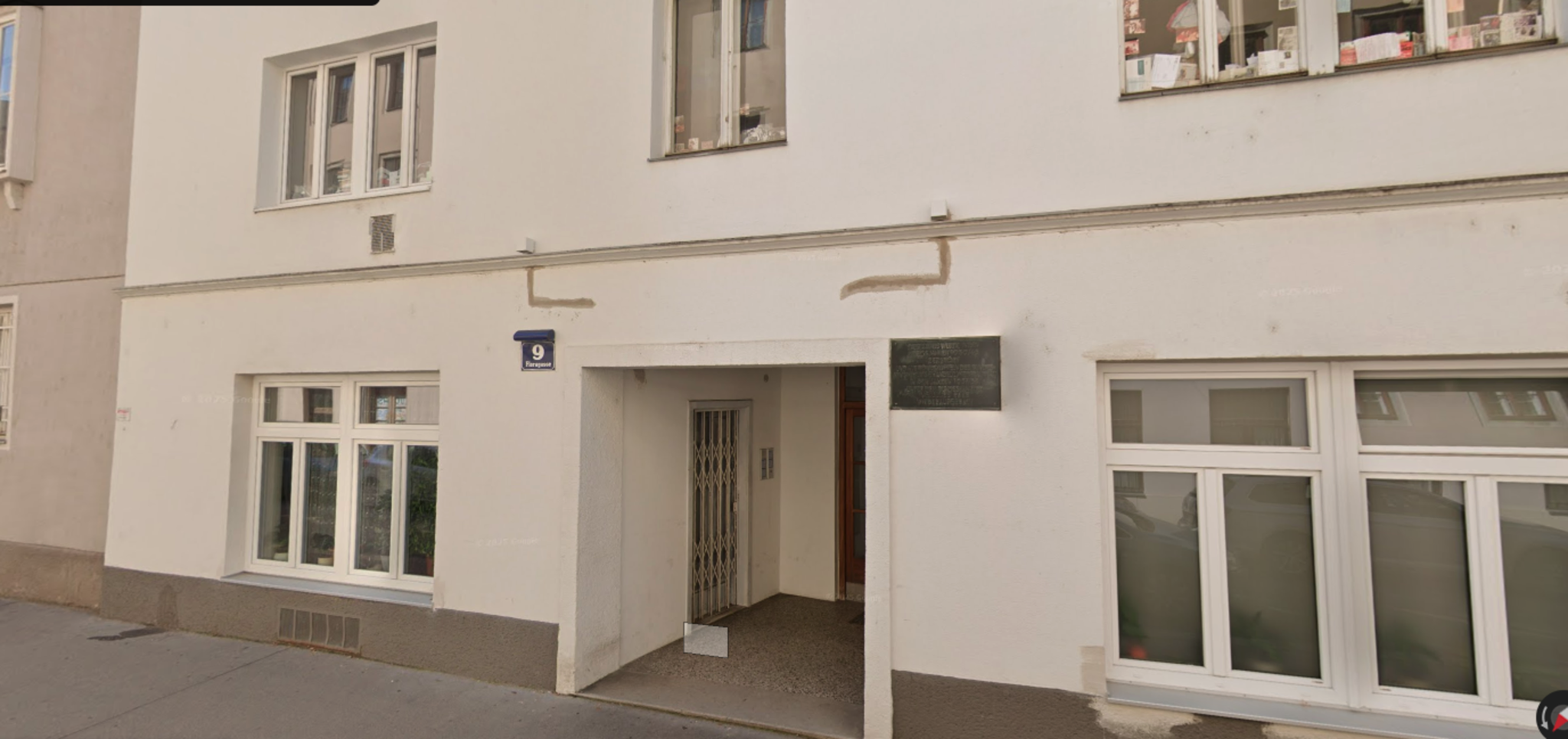
The Vienna real estate market has long been a focal point for investors seeking stability and growth within the European Union. A recurring strategy in the city’s competitive landscape involves the acquisition of unrenovated properties—often described as the “smartest investment”—where value is unlocked through strategic development and modernization. By targeting properties that require significant updates, investors can potentially increase the asset’s overall worth, transforming neglected spaces into high-value residential or commercial units.
This approach to real estate as an economic investment is particularly prevalent in established districts such as Wieden, where the architectural heritage and central location provide a strong foundation for value appreciation. When an investment firm acquires unrenovated apartments in such areas, the goal is typically to develop the property to a modern standard, thereby driving up the market price and rental yield.
However, navigating the Viennese market requires a deep understanding of the city’s complex housing infrastructure. From the municipal management of land and buildings to the extensive network of subsidized housing, the interplay between private investment and public oversight defines how property value is generated and maintained in the Austrian capital.
The Role of Municipal Oversight and MA 69
For any entity engaging in real estate transactions involving city-owned land or specific regulatory requirements, the City of Vienna’s Immobilienmanagement (MA 69) serves as the primary point of contact. MA 69 acts as the central hub for all inquiries regarding the city’s real estate holdings and functions as the pivot point for property transactions via the City of Vienna’s official portal.

The department manages a wide array of responsibilities, including the oversight of acquirable properties, building rights and plots of land. For investors and developers, understanding the guidelines set by MA 69 is essential, as the department regulates the transfer and management of city-owned assets, ensuring that development aligns with the city’s broader urban planning goals.
Those seeking professional consultation with MA 69 are required to arrange appointments via telephone to ensure the appropriate staff are available. The office is located at Lerchenfelder Straße 4, 4th Floor, Room 405, and accepts submissions via post, email, or through a 24-hour drop box located outside the administrative building.
Public Housing and the Impact of Wiener Wohnen
While private firms focus on value-add investments in districts like Wieden, the City of Vienna maintains one of the world’s most robust social housing systems. Wiener Wohnen, the municipal housing provider, plays a critical role in stabilizing the city’s residential market. In response to high demand and rising costs in the private market, the city has resumed the construction of new municipal apartments according to Wiener Wohnen’s latest updates.
The municipal strategy focuses heavily on the modernization of existing housing complexes. Large-scale renovation projects are currently underway to update residential buildings step-by-step, ensuring that the city’s housing stock remains functional and energy-efficient. These public initiatives often run parallel to private investment trends, as both sectors recognize the necessity of upgrading older building stock to meet contemporary living standards.
Wiener Wohnen also provides specific services for tenants, such as the installation of free smoke and carbon monoxide detectors and guidance on operating cost statements, reflecting a comprehensive approach to property management that prioritizes tenant safety and affordability.
Navigating Residential Options and Subsidized Housing
For those not operating as institutional investors but seeking residential space in Vienna, the city offers a structured search process for subsidized and municipal housing. The Wohnberatung Wien, located at Paragonstraße 4 (corner of Guglgasse), provides personal counseling by appointment to help residents find suitable housing based on their specific needs.
The city’s housing framework is designed to accommodate a diverse range of demographics through specialized housing forms, including:
- Housing for students and youth residences.
- Barrier-free living for individuals with mobility challenges.
- Specialized housing for the elderly and shared living communities for seniors.
- Dedicated support for refugees, migrants, and individuals with low income.
- Housing solutions for mothers and children, as well as those experiencing homelessness or psychological illness.
The City of Vienna also provides comprehensive resources for those transitioning into the market, including checklists for renting or buying property that detail associated costs, subsidies, and the legal rights of tenants and owners as outlined in the city’s housing search guide.
Investment Implications: Why Unrenovated Properties?
The strategy of purchasing unrenovated apartments—particularly in high-demand areas—rests on the principle of “forced appreciation.” By investing capital into the physical improvement of a property, the owner can create value that exceeds the cost of the renovations. In a city like Vienna, where architectural integrity is highly valued, the ability to modernize a space while preserving its historical character can lead to significant increases in market value.
This economic model is a cornerstone of real estate investment in the city. However, it requires careful navigation of local zoning laws and building codes, often requiring coordination with municipal bodies to ensure that the “development” of the property complies with city standards.
Key Takeaways for the Vienna Property Market
- Value Creation: Investing in unrenovated properties allows developers to increase asset value through modernization and strategic development.
- Municipal Hub: MA 69 is the essential contact for any transactions or inquiries involving City of Vienna real estate.
- Public Stability: Wiener Wohnen continues to expand and modernize municipal housing to counter private market price increases.
- Diverse Support: The city offers extensive subsidized housing options managed through Wohnberatung Wien for various social groups.
As the city continues to balance private investment with its commitment to affordable municipal housing, the market remains a dynamic environment for those who can identify undervalued assets in prime districts. The next phase of urban development will likely witness a continued focus on the energy-efficient renovation of older building stocks, both in the private and public sectors.
For the latest official updates on city property and housing regulations, residents and investors are encouraged to monitor the official portals of the City of Vienna and Wiener Wohnen.
Do you have experience with the Vienna real estate market or insights into urban development in the Wieden district? Share your thoughts in the comments below.
Related reading