
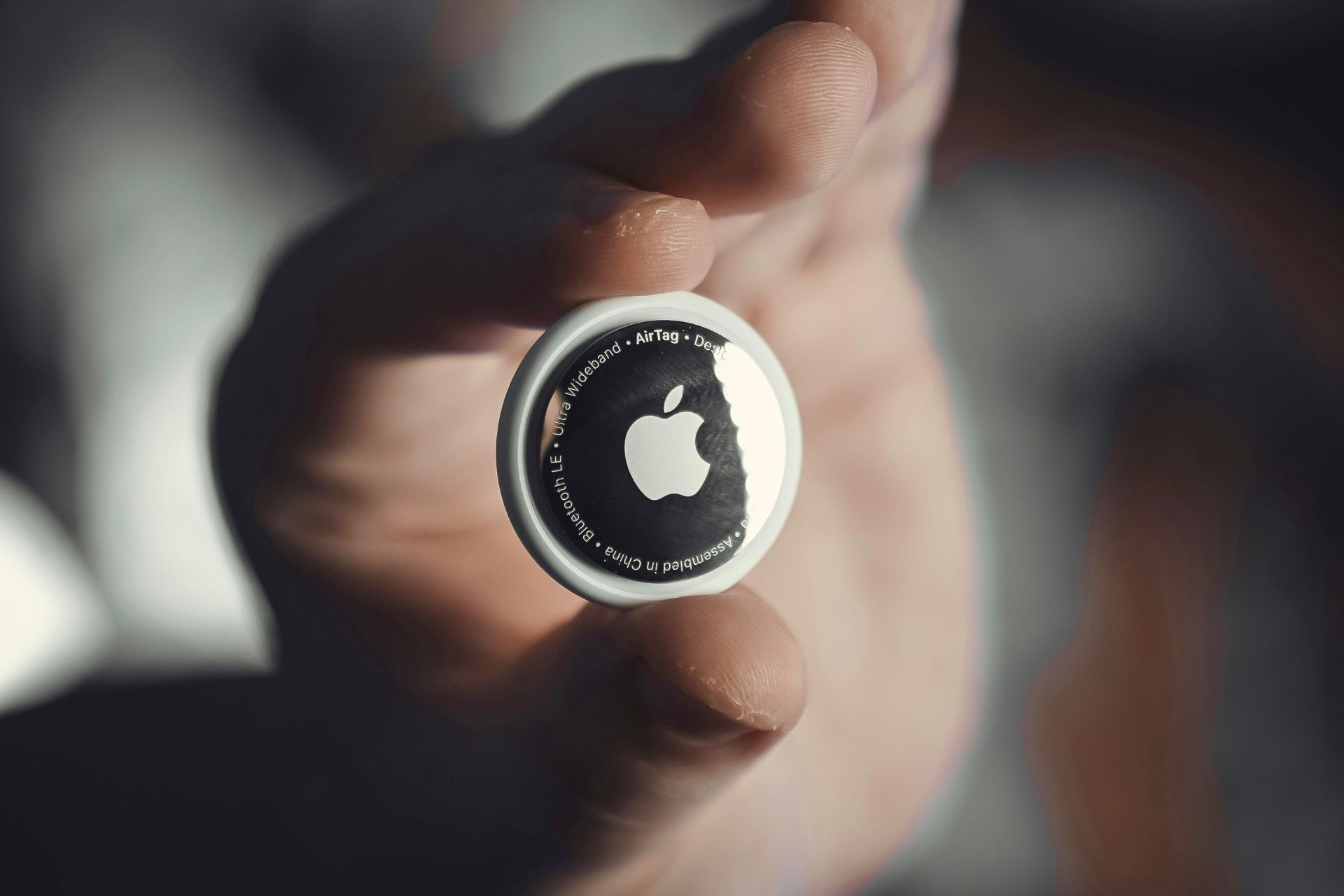
As we navigate an increasingly mobile world, the demand for reliable personal item tracking has become a staple of the modern consumer experience. Apple’s AirTag, a compact Bluetooth-based tracker, has remained a prominent fixture in this market since its debut. Recently, retail activity surrounding these devices has gained attention, as consumers look for ways to integrate location-tracking technology into their daily routines—from monitoring luggage during travel to keeping tabs on household keys.
For those interested in the ecosystem of Apple hardware, understanding the utility and current accessibility of these trackers is essential. The AirTag utilizes the company’s proprietary “Find My” network, a vast, encrypted infrastructure that leverages the presence of millions of Apple devices worldwide to help users locate their belongings. This technology is designed to operate securely, ensuring that the location data of a tagged item remains private to the owner.
Understanding How Apple AirTags Function
At the core of the AirTag’s functionality is the integration of Ultra Wideband technology, which enables Precision Finding on supported devices. This feature allows users with an iPhone equipped with the U1 chip or later—such as the iPhone 11 and subsequent models—to receive directional guidance toward their lost item, provided they are within a certain range. The process is managed through the “Find My” application, which serves as the central hub for managing Apple devices and shared tracking accessories.
When an item is outside the immediate range of a user’s own device, the AirTag sends out a secure Bluetooth signal that can be detected by nearby devices in the “Find My” network. These devices then send the location of the AirTag to iCloud, allowing the owner to see it on a map. According to official Apple documentation regarding the Find My network, this entire process is end-to-end encrypted and anonymous, so no one, including Apple or the owners of the devices that detect the tag, knows the identity or location of the AirTag’s owner.
Practical Applications in Daily Life
The versatility of small-form-factor trackers has expanded their use case beyond simple key finding. Many travelers now utilize these devices to monitor checked baggage, providing peace of mind by tracking their belongings through various transit hubs. The Apple AirTag specifications highlight that each device is powered by a standard CR2032 coin cell battery, which is designed to last over a year under normal usage conditions. Users receive a notification on their paired device when the battery level is low, making maintenance straightforward.

the “Find My” network is strictly limited to Apple’s ecosystem. The trackers require an Apple ID and are compatible with devices running the latest versions of iOS, iPadOS, or macOS. While the technology offers significant utility, users are encouraged to review the safety features built into the AirTag, which include proactive alerts designed to notify individuals if an unknown AirTag is found moving with them over time, a measure intended to prevent unauthorized tracking.
Market Trends and Consumer Considerations
Retail pricing for consumer electronics often fluctuates based on seasonal demand, inventory cycles, and promotional strategies. For prospective buyers, the value proposition of a multi-pack, such as a four-pack of trackers, is frequently compared against the cost of purchasing individual units. When evaluating these purchases, it is beneficial for consumers to consider the total cost of ownership, including the potential need for accessories like key rings or luggage loops, which are sold separately.
As the market for Bluetooth trackers continues to evolve, competition from various manufacturers has led to a broader range of options for consumers. However, Apple’s specific implementation remains distinct due to the scale of its “Find My” network. Whether for tracking everyday essentials or managing logistics during travel, the AirTag functions as a reliable extension of the Apple hardware experience.
Key Takeaways for AirTag Users
- Precision Finding: Available on iPhones with U1 or newer chips, providing visual and haptic feedback to locate items.
- Network Security: The “Find My” network utilizes end-to-end encryption to protect user privacy.
- Battery Maintenance: Uses a user-replaceable CR2032 battery with an estimated life of one year.
- Compatibility: Requires an Apple ID and is compatible with iPhone, iPad, and Mac devices.
- Safety Features: Includes built-in privacy protections to alert users of potential unauthorized tracking.
As of May 2026, Apple continues to support the AirTag as a core component of its accessory lineup. Consumers are encouraged to check official Apple retail channels or authorized resellers for the most accurate pricing and availability in their specific region. For those managing multiple items, the four-pack configuration remains the most cost-effective entry point into the system.

We invite our readers to share their experiences with tracking technology in the comments below. Have you found these devices helpful for travel, or do you have tips for maximizing battery life? Join the conversation as we continue to cover the latest in consumer hardware and software trends.