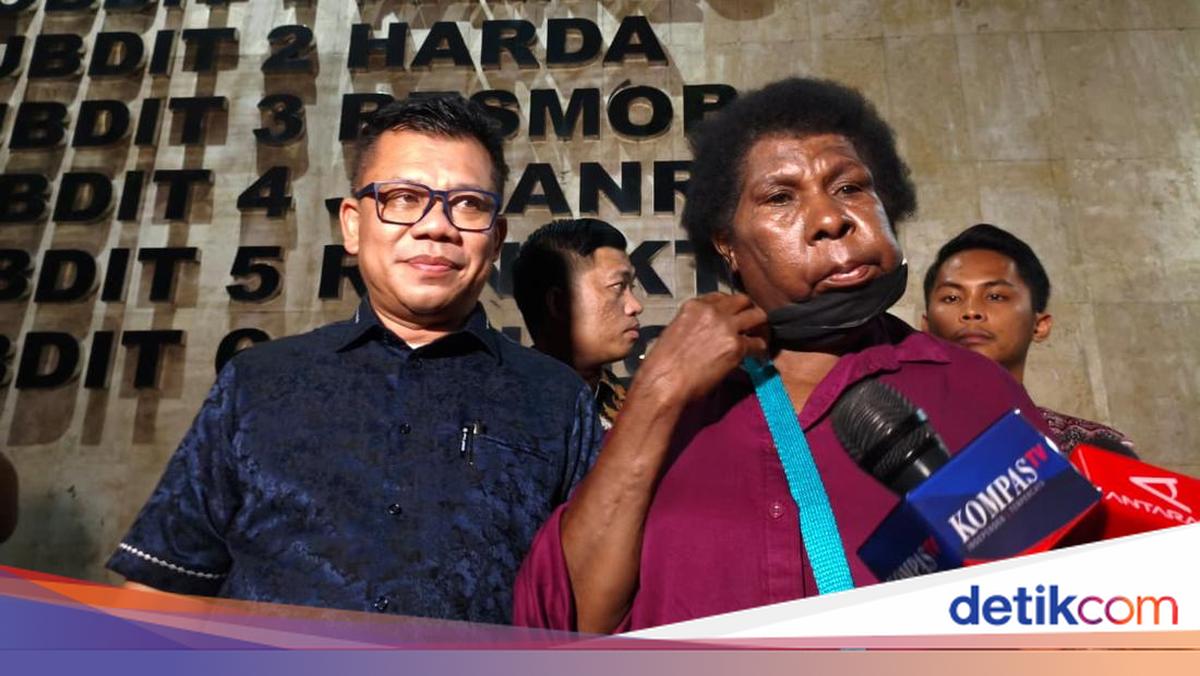
The intersection of documentary filmmaking, indigenous rights, and legal accountability has come into sharp focus in Indonesia following a formal complaint filed by Yasinta Moiwend—often referred to as Mama Sinta—against the leadership of the Papua Legal Aid Institute (LBH Papua). The dispute centers on the production and distribution of the documentary film Pesta Babi (Pig Feast), a project that has sparked significant debate regarding the representation of indigenous Papuan customs and the ethical responsibilities of those documenting them.
As a journalist who has covered international human rights and media ethics for over 16 years, I find that cases like this underscore the delicate balance between creative freedom and the cultural rights of the communities being portrayed. This controversy is not merely a local legal matter; it touches upon broader questions of informed consent and the power dynamics inherent in ethnographic filmmaking. The core of the tension lies in whether the filmmakers adequately engaged with the community members depicted in the film, specifically Yasinta Moiwend, who has publicly stated that she felt misrepresented and harmed by the final product.
According to reports verified through regional media outlets, the legal complaint filed with the Polda Metro Jaya (Jakarta Metropolitan Police) marks an escalation in a long-standing disagreement between the subject and the production collective. The LBH Papua, which has been involved in the discourse surrounding the film’s release, now finds itself at the center of a police investigation regarding the production’s transparency and adherence to ethical guidelines. For a detailed overview of the legal status of such complaints under Indonesian law, one can refer to the official portal of the Indonesian National Police.
Understanding the Controversy Surrounding ‘Pesta Babi’
The film Pesta Babi was intended to provide a window into the cultural practices and socio-political realities of specific regions in Papua. However, the project faced immediate scrutiny upon its wider release, with critics and participants arguing that the narrative frame did not align with the lived experiences of those featured on screen. Yasinta Moiwend has consistently argued that the portrayal of the “pig feast” ceremony and her role within it was done without her full understanding of how the footage would be contextualized for a global audience.


The production collective behind the film has maintained that their work is an exercise in documenting indigenous realities and challenging external narratives about Papua. Yet, the request for a public apology and the subsequent filing of a police report by Moiwend highlight a fundamental breakdown in the filmmaker-subject relationship. The incident serves as a poignant reminder that in documentary cinema, the “truth” is often contested, and the rights of the subjects to control their own image must be prioritized alongside the filmmaker’s artistic vision.
In Indonesia, the legal framework governing electronic information and transactions—often cited in cases involving public disputes over media content—is the UU ITE (Electronic Information and Transactions Law). While the specific charges in this case are still being processed by investigators, the utilization of these laws to settle disputes over media representation has become a recurring theme in the country’s digital landscape.
The Role of Legal Advocacy and Public Discourse
The involvement of the Papua Legal Aid Institute (LBH Papua) has added a layer of institutional complexity to the situation. LBH organizations in Indonesia typically focus on defending the rights of marginalized communities, yet in this instance, the leadership of the organization is being challenged by a member of the very community they are tasked to protect. This irony has not been lost on observers, who are questioning the extent to which advocacy groups should be involved in the production of controversial media.
The production collective has publicly requested that the public refrain from passing judgment on Yasinta Moiwend, acknowledging that her grievances are rooted in a personal experience of vulnerability. This attempt at de-escalation reflects an awareness of the potential for the digital backlash to overwhelm the nuanced reality of the dispute. It’s essential for audiences to distinguish between the artistic merit of a project and the ethical failures that may occur during its creation.
For those interested in the ongoing developments of this case, official updates regarding the police investigation can be monitored via the Polda Metro Jaya public information office. Legal experts often point out that such cases are typically resolved through mediation before reaching a courtroom, particularly when they involve community relations and cultural sensitivities.
Key Takeaways for Media Ethics
The Pesta Babi dispute offers several critical lessons for both filmmakers and human rights advocates:

- Informed Consent is Continuous: Consent is not a one-time signature but an ongoing dialogue, especially when documenting indigenous cultures.
- Cultural Representation Matters: Filmmakers have an ethical obligation to ensure that the communities they document have a say in how their customs are interpreted.
- Legal Recourse as a Last Resort: While legal action is a valid path for grievance, community-based mediation often provides a more sustainable resolution for cultural misunderstandings.
- Transparency in Production: Advocacy groups and film collectives must maintain clear boundaries to avoid conflicts of interest that could harm the subjects of their work.
What Happens Next?
As of the latest updates, the police investigation remains in the early stages, with investigators collecting statements from both the complainant and the representatives of the production team. There has been no official announcement regarding a date for a formal trial or a mediated settlement. The next steps will likely involve a series of fact-finding sessions mandated by the regional authorities to determine if any criminal statutes were violated during the film’s production or dissemination.
We will continue to monitor this situation as more information becomes available. The tension between the desire to document the plight of Papuan communities and the rights of those individuals to dignity and privacy remains a vital subject for contemporary journalism. We invite our readers to share their thoughts on the evolving relationship between indigenous rights and documentary filmmaking in the comments section below.
Worth a look