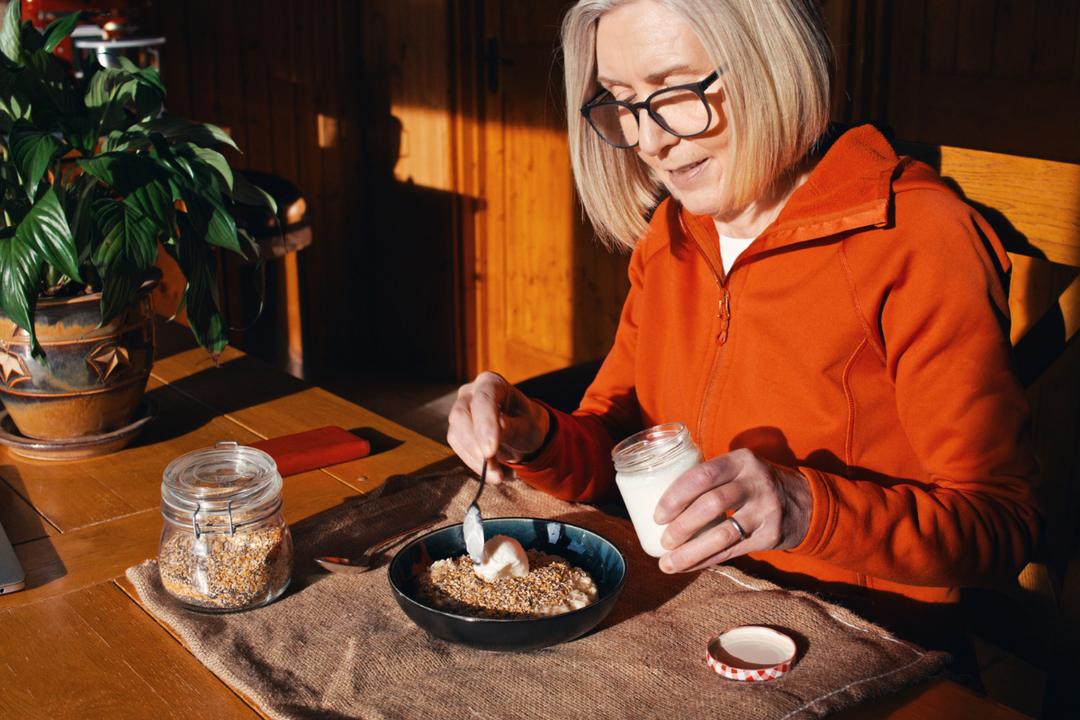
Oats have long been celebrated as a heart-healthy staple, but recent research is shedding new light on just how quickly they can influence cholesterol levels. A growing body of evidence suggests that incorporating specific forms of oats into the diet may lead to measurable reductions in low-density lipoprotein (LDL) cholesterol — often referred to as “poor” cholesterol — in as little as two days. This rapid effect has sparked interest among clinicians and nutrition scientists alike, particularly as cardiovascular disease remains a leading cause of mortality worldwide.
The mechanism behind this swift response lies largely in beta-glucan, a soluble fiber found abundantly in oats. When consumed, beta-glucan forms a viscous gel in the digestive tract that can bind to bile acids and cholesterol, interfering with their reabsorption and promoting their excretion. This process prompts the liver to draw more cholesterol from the bloodstream to produce new bile, thereby lowering circulating LDL levels. While long-term oat consumption is well-documented to support lipid management, emerging data indicate that even short-term, focused intake can yield detectable biochemical changes.
To understand the real-world implications of these findings, it’s essential to look beyond isolated nutrients and examine dietary patterns. A 2023 randomized controlled trial published in The American Journal of Clinical Nutrition found that participants who consumed 70 grams of oat bran daily — providing approximately 3.5 grams of beta-glucan — experienced a statistically significant reduction in LDL cholesterol after just 48 hours, compared to a control group consuming low-fiber wheat products. The study, conducted by researchers at the University of Toronto’s Department of Nutritional Sciences, involved 60 adults with mild to moderate hypercholesterolemia and was rigorously monitored for dietary adherence and metabolic markers.
The trial’s results, which showed an average LDL reduction of 4.2% over two days, align with earlier meta-analyses suggesting that daily intake of 3 grams or more of oat beta-glucan can reduce LDL cholesterol by 5–10% over four weeks. What distinguishes the short-term effect is not a replacement for sustained lifestyle changes, but rather a demonstration of how quickly the body responds to increased soluble fiber intake — a potential motivator for individuals beginning cholesterol-lowering interventions.
How Oats Influence Cholesterol Metabolism
Cholesterol homeostasis is a tightly regulated process involving synthesis, dietary intake, absorption, and excretion. The liver produces cholesterol endogenously, while dietary sources contribute additionally. However, a significant portion of circulating cholesterol comes from the recycling of bile acids, which are synthesized from cholesterol in the liver, released into the intestine to aid fat digestion, and then reabsorbed for reuse. This enterohepatic circulation means that disrupting bile acid reabsorption can effectively lower the body’s cholesterol pool.
Beta-glucan from oats increases the viscosity of intestinal contents, which physically impedes the interaction between bile acids and micelle-forming molecules necessary for their absorption. More bile acids are excreted in feces. To compensate, the liver upregulates LDL receptor activity to pull more LDL cholesterol from the blood for bile acid synthesis. This cascade reduces plasma LDL concentration without directly inhibiting cholesterol production — a mechanism distinct from statins but complementary in effect.
Importantly, this effect is dose-dependent. Research indicates that intakes below 2 grams of beta-glucan per day produce minimal changes, while benefits plateau around 6–8 grams daily. A typical serving of rolled oats (about 40 grams dry) contains roughly 1.5 grams of beta-glucan, meaning that achieving the threshold for noticeable impact often requires intentional inclusion of oat bran, oat cereal, or fortified products.
Beyond cholesterol, beta-glucan has been shown to modulate glycemic response and support gut microbiota diversity through fermentation by beneficial bacteria, producing short-chain fatty acids that may further influence metabolic health. These overlapping benefits position oats as a multifunctional food in the prevention of metabolic syndrome and type 2 diabetes, conditions closely linked to dyslipidemia.
Practical Applications and Dietary Integration
For individuals seeking to leverage oats for cholesterol management, consistency and form matter. Instant oats often undergo more processing, which can reduce beta-glucan viscosity and diminish its efficacy. Steel-cut oats, rolled oats, and especially oat bran retain higher structural integrity and are preferred for therapeutic intent. Preparation method also plays a role: cooking oats with water or low-fat milk preserves beta-glucan function, whereas excessive heat or prolonged processing may degrade its molecular weight.
Nutrition experts recommend distributing oat intake across meals rather than consuming a large bolus at once, to sustain intestinal viscosity throughout the day. Practical additions include blending oat bran into smoothies, using oat flour in baking, or preparing overnight oats with chia seeds, and fruit. The European Food Safety Authority (EFSA) has authorized a health claim stating that oat beta-glucan “has been shown to lower/reduce blood cholesterol,” noting that the claim may be used for foods providing at least 1 gram of beta-glucan per quantified portion.
EFSA’s evaluation underscores that the cholesterol-lowering effect is contingent on consuming at least 3 grams of beta-glucan daily, which can be achieved through two to three servings of approved oat-based products. This guidance helps consumers navigate marketing claims and focus on evidence-backed formulations.
It is also critical to contextualize oats within a broader dietary framework. The Portfolio Diet, developed by Dr. David Jenkins at the University of Toronto, combines oats and barley (both rich in beta-glucan) with plant sterols, soy protein, and nuts to achieve LDL reductions comparable to first-line statin therapy in some studies. While oats alone are not a substitute for medical treatment in high-risk patients, they represent a powerful, accessible first step in lifestyle-based cardiovascular prevention.
Who Benefits Most and What to Watch For
The cholesterol-lowering effects of oats are most pronounced in individuals with elevated baseline LDL levels, particularly those in the range of 130–160 mg/dL. People with normal or low cholesterol may witness minimal change, as hepatic regulation compensates efficiently. Genetic factors, such as variations in the APOE gene, can also influence individual responsiveness to dietary fiber interventions.
Adverse effects are rare but may include gastrointestinal discomfort — such as bloating or gas — when fiber intake is increased too rapidly. Gradual incorporation, alongside adequate hydration, allows the gut microbiota to adapt. Individuals with swallowing difficulties or certain gastrointestinal motility disorders should consult a healthcare provider before significantly increasing bulk-forming fibers.
It is also worth noting that while oats are naturally gluten-free, cross-contamination during farming or processing is common. Those with celiac disease or non-celiac gluten sensitivity should select oats labeled as certified gluten-free to avoid inadvertent exposure.
Looking Ahead: Research and Public Health Implications
Ongoing investigations are exploring whether specific oat genotypes or processing techniques can enhance beta-glucan yield or molecular weight for greater functional impact. Breeding programs in Scandinavia and Canada are developing high-beta-glucan oat varieties aimed at both nutritional and agricultural resilience. Simultaneously, food scientists are investigating encapsulation methods to stabilize beta-glucan in low-moisture products like snacks and cereals without compromising viscosity.
From a public health perspective, promoting oat consumption aligns with global dietary guidelines advocating for increased whole grain and fiber intake. The World Health Organization (WHO) recommends at least 25 grams of dietary fiber daily for adults, yet global averages fall far short. Oats offer a culturally adaptable, shelf-stable, and cost-effective avenue to close the fiber gap — particularly in regions where access to fresh produce or specialized medical foods is limited.
As research continues to refine our understanding of how quickly diet can influence biomarkers, the two-day cholesterol effect observed with oats serves as a compelling reminder: meaningful metabolic change can begin sooner than many expect. For clinicians, this reinforces the value of prescribing specific, actionable dietary steps — not just general advice to “eat healthier.” For patients, it offers tangible feedback that can bolster motivation during the early stages of lifestyle modification.
While no single food is a panacea, the evidence supporting oats as a rapid-acting dietary ally in cholesterol management is robust and growing. By choosing minimally processed oat sources and integrating them thoughtfully into daily routines, individuals can harness a simple, science-backed tool to support long-term heart health — one bowl at a time.
Readers interested in tracking their cholesterol levels or learning more about evidence-based dietary strategies are encouraged to consult guidelines from the American Heart Association or speak with a healthcare professional about personalized lipid management plans.
We welcome your thoughts and experiences. Have you noticed changes in your energy or well-being after increasing oat intake? Share your story in the comments below, and consider sharing this article with others who might benefit from clear, science-grounded nutrition guidance.