Hypertension, often referred to as the “silent killer,” remains one of the most significant global health challenges of the 21st century. Because high blood pressure frequently presents no obvious symptoms until a major cardiovascular event occurs, the role of preventive nutrition cannot be overstated. As a physician and health journalist, I have seen firsthand how strategic dietary shifts can act as a powerful primary intervention, often complementing or, in some early stages, reducing the need for aggressive pharmacological treatment.
The relationship between what we eat and the pressure exerted by blood against our artery walls is governed by complex biochemical interactions. From the sodium-potassium pump in our cells to the production of nitric oxide in our endothelium, our diet provides the raw materials necessary for vascular health. While many are familiar with the basic advice to “reduce salt,” the modern approach to foods to lower blood pressure focuses less on restriction and more on the strategic addition of specific nutrients that promote vasodilation and fluid balance.
Current clinical evidence suggests that a synergy of potassium-rich vegetables, nitrate-dense plants, and omega-3 fatty acids can significantly modulate systolic and diastolic readings. By integrating specific serving sizes of heart-healthy foods—such as the targeted intake of nutrient-dense plants and seeds—individuals can create a biological environment that naturally resists the onset of hypertension. The goal is not a “magic bullet” food, but a systemic dietary pattern that optimizes cardiovascular function.
The Gold Standard: Understanding the DASH Approach
When discussing hypertension prevention, the Dietary Approaches to Stop Hypertension (DASH) diet remains the clinical benchmark. Rather than focusing on a single ingredient, the DASH pattern emphasizes a balance of fruits, vegetables, whole grains, and lean proteins. The primary mechanism of this approach is the increase of potassium, calcium, and magnesium, which collectively help the heart pump more efficiently and allow blood vessels to relax.
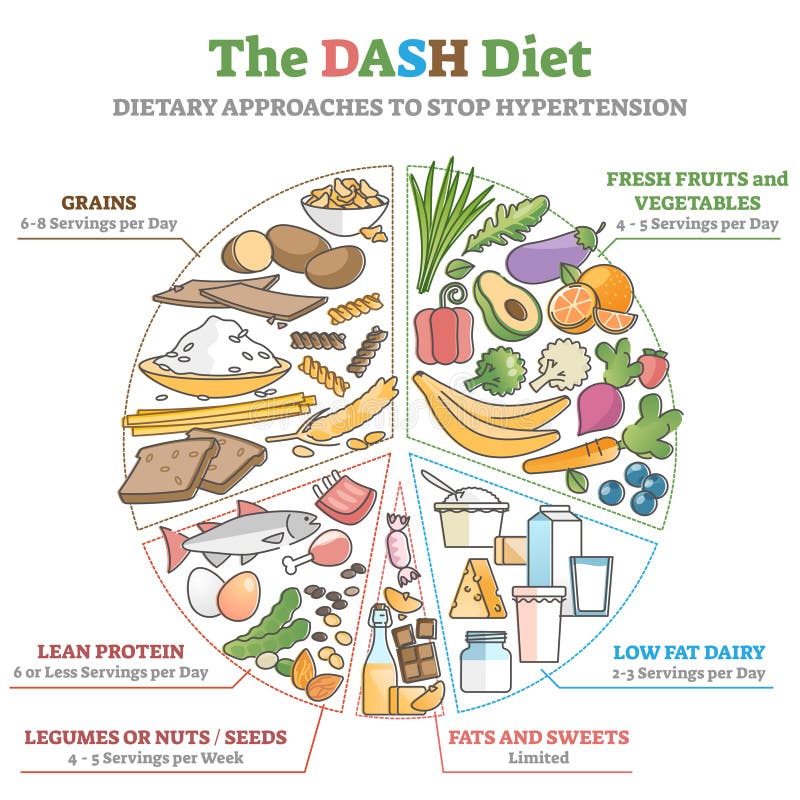
Potassium is particularly critical because it helps the body excrete excess sodium through urine and eases tension in the blood vessel walls. According to the American Heart Association, following the DASH eating plan can lead to a significant reduction in blood pressure in as little as two weeks. The emphasis is on replacing saturated fats and refined sugars with fiber-rich alternatives that stabilize insulin levels and reduce systemic inflammation.
For those looking for specific targets, incorporating roughly 170 grams (approximately 6 ounces) of a variety of fresh vegetables or fruits throughout the day can provide a substantial boost in these essential minerals. This volume of produce ensures a steady supply of antioxidants that protect the lining of the arteries from oxidative stress, a precursor to the stiffening of vessels associated with age and hypertension.
The ‘Red’ Secret: Nitrates and Vascular Relaxation
One of the most effective dietary tools for immediate vascular impact is the consumption of “red” vegetables, most notably beets and red spinach. These vegetables are rich in inorganic nitrates, which the body converts into nitric oxide (NO). Nitric oxide is a potent vasodilator; it signals the smooth muscles in the artery walls to relax, widening the lumen of the vessel and allowing blood to flow more freely, which directly lowers pressure.
Clinical trials have consistently shown that beetroot juice or concentrated beet powder can lower systolic blood pressure within hours of consumption. This effect is particularly pronounced in individuals with existing hypertension. Beyond beets, other red-pigmented foods containing anthocyanins—such as raspberries, strawberries, and red cabbage—contribute to heart health by improving endothelial function and reducing the risk of arterial plaque buildup.
To maximize this effect, it is recommended to consume these vegetables in their raw or lightly steamed state, as excessive heat can degrade the delicate nitrates and antioxidants. Integrating a serving of beets into a daily salad or a morning smoothie provides a natural, food-based mechanism for maintaining arterial elasticity.
Seeds and Omega-3s: The Role of Chia and Healthy Fats
While vegetables provide the minerals and nitrates, seeds and nuts provide the structural fats necessary for long-term cardiovascular resilience. Chia seeds, in particular, have emerged as a powerhouse for heart health due to their exceptionally high concentration of alpha-linolenic acid (ALA), a plant-based omega-3 fatty acid.
Omega-3 fatty acids are known to reduce triglycerides, lower blood pressure slightly, and decrease the risk of arrhythmias. The high fiber content in chia seeds helps regulate blood glucose and cholesterol levels, both of which are closely linked to the development of hypertension. When chia seeds absorb water, they form a gel-like substance that slows the digestion of carbohydrates, preventing the insulin spikes that can lead to sodium retention.
In addition to chia, walnuts and flaxseeds offer similar cardioprotective benefits. The key is consistency; incorporating a small handful of unsalted nuts or a tablespoon of seeds daily helps maintain the integrity of the cell membranes throughout the cardiovascular system, ensuring that the heart and vessels can respond efficiently to the body’s needs.
The Diversity Rule: Why ’30 Plants a Week’ Matters
Recent shifts in nutritional science have moved from counting calories to counting “plant diversity.” There is growing evidence that the health of the gut microbiome is intrinsically linked to systemic blood pressure. A diet that includes a wide variety of plant-based foods—aiming for approximately 30 different types of plants per week—promotes a diverse microbiome.
A diverse microbiome produces a wider array of short-chain fatty acids (SCFAs), such as butyrate, which have anti-inflammatory properties and can influence the regulation of blood pressure. “Plants” in this context include not just vegetables, but also fruits, nuts, seeds, legumes, whole grains, and even fresh herbs and spices. By diversifying the intake, you ensure a broader spectrum of phytonutrients, each targeting different pathways of cardiovascular protection.
For example, while leafy greens provide potassium, legumes provide magnesium, and berries provide flavonoids. When combined, these nutrients work synergistically. A person who eats only spinach and apples is missing the unique protective compounds found in lentils, almonds, or blueberries. This diversity creates a robust internal defense system against the metabolic triggers of hypertension.
Heart-Healthy Hydration: Drinks That Support BP
What we drink is just as crucial as what we eat. While water is the foundation of hydration, certain botanical infusions and juices can actively support blood pressure management. One of the most evidence-backed options is hibiscus tea (Hibiscus sabdariffa). Research indicates that the anthocyanins and organic acids in hibiscus act similarly to some mild ACE inhibitors, helping to relax blood vessels.
Pomegranate juice is another potent ally. Rich in polyphenols, pomegranate juice has been shown to reduce systolic blood pressure over time by inhibiting the angiotensin-converting enzyme (ACE), which otherwise causes blood vessels to constrict. However, it is crucial to choose unsweetened versions, as added sugars can counteract the cardiovascular benefits by increasing inflammation and weight gain.
Avoid the common trap of relying on “energy drinks” or excessive caffeine, which can cause acute spikes in blood pressure and increase heart rate. Instead, focusing on herbal teas and water-rich infusions helps maintain blood volume and supports the kidneys in flushing out excess sodium, further stabilizing blood pressure readings.
Practical Implementation and Medical Precautions
Transitioning to a heart-healthy diet does not require an overnight overhaul. Small, sustainable changes are more likely to lead to long-term success. I recommend a “crowding out” strategy: instead of focusing on what you must remove, focus on what you can add. Start by adding one serving of red vegetables to your lunch and replacing one sugary drink with hibiscus tea.

However, a critical medical caveat is necessary: nutrition is a powerful tool, but it is not a replacement for professional medical advice. If you are already taking blood pressure medication, such as beta-blockers or diuretics, you must consult your physician before significantly increasing your intake of potassium-rich foods or nitrate-heavy supplements. Some medications can cause the body to retain potassium, and an excessive increase in dietary potassium could lead to hyperkalemia, a dangerous condition for the heart.
Similarly, those with kidney disease must be extremely cautious with high-potassium diets, as the kidneys may not be able to process the excess minerals effectively. Always monitor your blood pressure at home and keep a log to share with your healthcare provider to determine how these dietary changes are impacting your specific physiology.
Key Takeaways for Hypertension Prevention
- Prioritize Potassium: Focus on the DASH diet principles, incorporating fruits and vegetables to balance sodium levels.
- Leverage Nitrates: Eat “red” vegetables like beets to boost nitric oxide production and dilate blood vessels.
- Incorporate Omega-3s: Use chia seeds, flaxseeds, and walnuts to reduce inflammation and improve arterial health.
- Diversify Your Plate: Aim for 30 different plant types per week to support a heart-healthy gut microbiome.
- Choose Smart Hydration: Opt for unsweetened hibiscus tea or pomegranate juice over caffeinated or sugary beverages.
- Consult Professionals: Always coordinate dietary changes with your doctor, especially if you are on medication.
The next critical milestone for global hypertension management will be the continued release of updated guidelines from the World Health Organization (WHO) and various national heart associations, which are increasingly emphasizing “food as medicine” in primary care. As we move toward more personalized nutrition, the ability to tailor these dietary interventions to an individual’s genetic and metabolic profile will likely become the new standard of care.
Managing your blood pressure is a lifelong journey of small, consistent choices. By focusing on nutrient density and plant diversity, you are not just lowering a number on a monitor—you are investing in the long-term vitality of your entire cardiovascular system. We invite you to share your experience with these dietary shifts in the comments below or share this guide with someone looking to take control of their heart health.
Keep reading
- The Paradox of REM Sleep: Brain Activity Surges While Cellular Energy Drops
- Lyon Signs Defender Bacher from Estoril Ahead of Champions League Clash Against Sparta Prague
- Justin Hardy, BAFTA-Nominated Director, Dies at 61 After Heart Attack (archyworldys.com)
- New Therapy May Reduce Heart Failure Risk After Heart Attack (archynewsy.com)