Smart home technology has evolved from novelty gadgets to practical tools that deliver measurable savings on household energy bills. As energy costs remain a persistent concern for consumers worldwide, certain devices have proven particularly effective at reducing waste without sacrificing comfort or convenience. Based on verified utility programs, retailer offerings, and independent efficiency assessments, four categories of smart home devices consistently demonstrate real-world financial benefits for users.
The most accessible entry point for energy savings begins with lighting upgrades. LED bulbs consume up to 90% less energy than traditional incandescent alternatives whereas lasting significantly longer, according to multiple utility-sponsored conservation programs. Several major electric providers, including Duke Energy and OG&E, have historically offered free LED bulb distribution initiatives to residential customers, though availability varies by region and seasonal funding cycles. These programs typically require account verification and may limit quantities per household, but they represent a zero-cost pathway to immediate lighting efficiency gains.
Beyond basic lighting, advanced power strips address a often-overlooked source of energy drain: standby power consumption from electronics in idle mode. Devices like televisions, gaming consoles, and chargers continue drawing electricity even when not actively used, collectively accounting for 5-10% of residential energy use in many households. Smart power strips equipped with motion sensors, timers, or master outlets can automatically cut power to peripheral devices when primary equipment is turned off, eliminating this “phantom load” without requiring manual intervention from users.
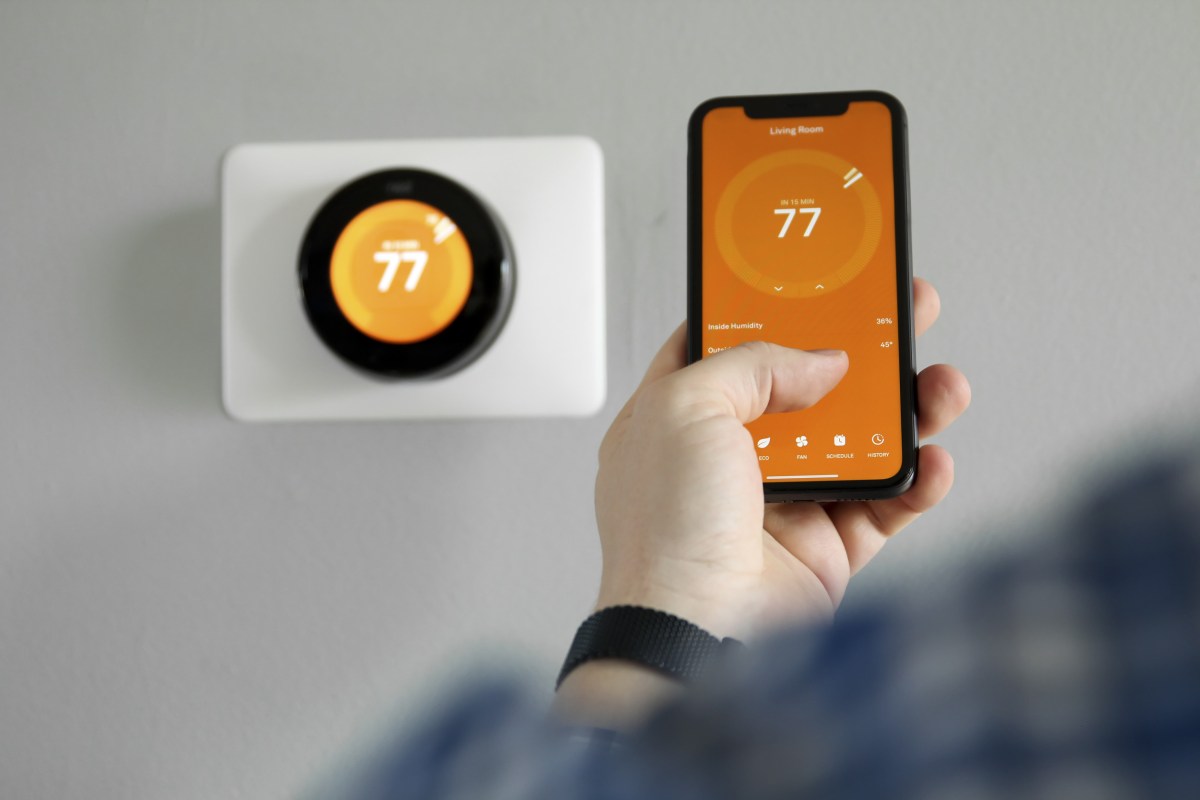
Climate control represents another significant opportunity for savings through intelligent automation. Programmable and learning thermostats optimize heating and cooling schedules based on occupancy patterns, weather forecasts, and user preferences. The U.S. Environmental Protection Agency’s ENERGY STAR program certifies that qualified smart thermostats can reduce heating and cooling costs by approximately 8% when properly installed and utilized, with greater savings possible in regions with extreme seasonal temperature variations. Some utility companies offer rebates or discounted pricing for these devices as part of demand-response initiatives.
While electric fireplaces provide ambiance and supplemental zone heating, their energy-saving potential depends heavily on usage patterns and regional climate factors. Unlike the other devices discussed, electric fireplaces generally consume more energy than they save when used as primary heating sources, particularly in colder climates. However, when strategically employed to heat only occupied rooms while allowing central thermostats to run lower, they can contribute to reduced overall heating costs in milder climates or during shoulder seasons. Their efficiency is maximized when paired with zone heating practices rather than relied upon as whole-house solutions.
Consumers seeking to implement these technologies should first consult their local utility providers about available rebates, free distribution programs, or energy audit services that can identify specific savings opportunities in their homes. Many providers maintain online marketplaces or partner with retailers to offer discounted pricing on verified energy-efficient products. As with any home improvement investment, calculating the payback period based on individual usage habits and local energy rates helps determine which devices will deliver the fastest financial returns.
The most effective smart home energy strategies combine multiple complementary technologies rather than relying on any single solution. Starting with high-impact, low-cost upgrades like LED bulbs and advanced power strips often provides immediate savings that can fund subsequent investments in thermostats or zone heating solutions. By focusing on verified efficiency gains rather than marketing claims, households can build genuinely cost-effective smart home ecosystems that reduce both energy consumption and monthly expenses over time.
As of April 2026, consumers can verify current utility program offerings through provider websites or by contacting customer service departments directly. Seasonal promotions, such as Earth Day-related discounts frequently appearing in late April, may provide additional purchasing opportunities for those looking to upgrade their home efficiency setup. Regularly checking utility communications ensures awareness of time-limited rebates or free equipment distributions that maximize the financial benefits of smart home adoption.
Related reading